
 EN
EN
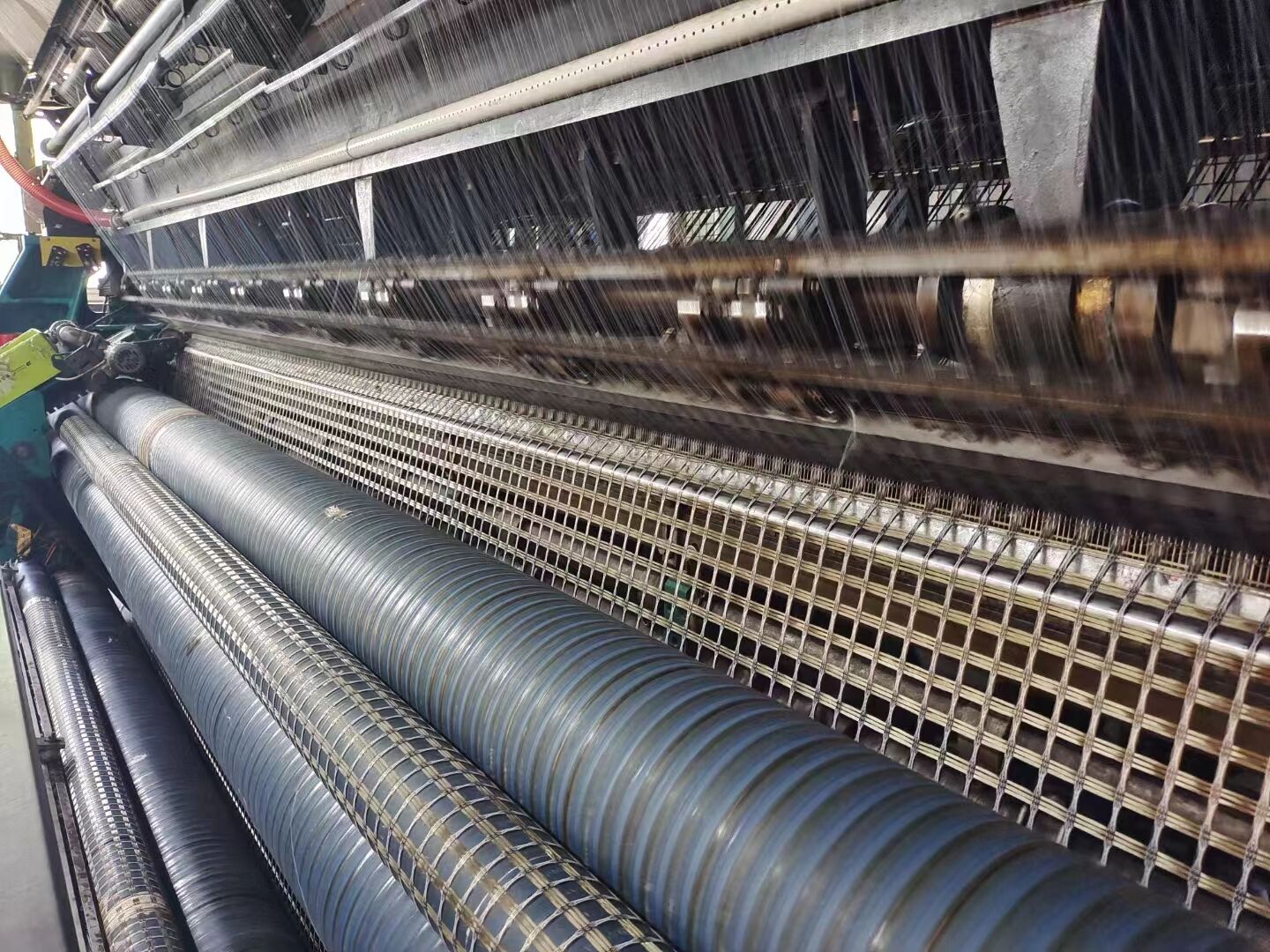
Lowering Vehicle Rolling Resistance Through Geogrid-Stabilized Pavements
Reduced Pavement Deformation and Tire–Road Energy Loss
When we reinforce road bases with geogrids, it helps keep aggregates in place and stops them from shifting sideways. This makes a big difference in how roads hold up when vehicles pass over them. Rutting becomes much less of a problem because tires don't have to work so hard climbing tiny bumps created by uneven surfaces. Research on material behavior shows smoother roads can actually reduce the pressure between tires and pavement by around 28%. This means less energy gets wasted as heat during driving. Studies indicate this leads to about 5 to 7 percent less fuel consumption for vehicles since tires deform less and generate less heat where they touch the road surface. Another bonus is that the strong connection between geogrid layers prevents dirt beneath the road from moving around, which keeps the road surface looking good and functioning properly over time.
Load Distribution and Rutting Suppression Enhance Dynamic Efficiency
When geogrids are installed, they spread out the weight from vehicle axles across larger sections of the ground below. This helps cut down on those sharp stress points by almost half when roads get really busy with trucks. The way these grids work also means less deep ruts form in the road surface compared to regular pavement, keeping things flat and even. Roads stay in better shape longer, which means tires maintain good contact with the ground surface. That reduces drag and saves fuel as vehicles move along. Research shows that roads reinforced with geogrids experience about 22% less rolling resistance throughout their entire lifespan. For trucking companies, this translates to real money saved on fuel costs. Plus, there's less strain on suspension components since the road isn't bouncing around so much.
Extending Road Service Life to Minimize Maintenance-Driven Energy Use
Geogrid reinforcement extends pavement longevity by stabilizing roadbeds and distributing loads, thereby delaying structural failure and slashing the frequency of energy-intensive resurfacing projects.
Fewer Resurfacing Events Cut Construction Fleet Emissions and Congestion Energy Costs
When maintenance work gets postponed, it means no need for those diesel-powered machines like rollers and pavers that spew out around 8 to 12 kilograms of CO2 equivalent for every ton of asphalt they lay down. Road closures are another big issue because when traffic backs up, cars just sit there burning fuel at rates between 1.2 and 3.1 liters per hour while stuck in gridlock. Take highways for example. Putting off one resurfacing job alone could cut down on more than 1,200 metric tons worth of carbon emissions over just five years simply by avoiding all those extra miles people drive around detours plus cutting back on how long construction gear needs to run unnecessarily.
Subgrade Stabilization Extends Design Life by 40–60% (AASHTO 2022)
Geogrids work by keeping things from spreading out sideways and stopping water from getting into the ground below them, which makes road bases much stronger. Roads built with these grids can last around 10 to maybe even 15 years under heavy traffic before they start breaking down, compared to just 6 to 9 years when there's no reinforcement at all. According to the folks at AASHTO who set standards for highways across America, their latest guidelines from 2022 back up what we're seeing here, showing roads with geogrids actually last between 40 and 60 percent longer than those without. Plus, roads that need fewer repairs mean we don't have to keep bringing in new materials as often. Think about it: every time we avoid laying down another layer of pavement, we cut down on carbon emissions from mining rocks, making asphalt, and shipping all those materials across the country.
Material and Embodied Energy Savings from Thinner, Geogrid-Reinforced Pavements
Reduced Asphalt and Aggregate Thickness Without Compromising Performance
When roads get reinforced with geogrids, engineers can actually cut down on how thick the asphalt and gravel layers need to be without sacrificing road quality. Studies done with PLAXIS 3D software, and then checked against real-world tests, indicate that putting geogrids right in the granular base layer lets us shave off between 15 to 30 percent of asphalt thickness, though this varies based on what kind of ground we're building on. The reason this works so well is because the geogrid helps spread out weight better across the road surface and keeps everything from shifting sideways too much, which means fewer potholes forming over time. Looking at sustainability angles, researchers have found that these thinner road designs last just as long as regular roads but save a lot of natural resources since we don't need as much new material for construction projects.
Up to 30% Less Aggregate Use and Lower Embodied Carbon (FHWA 2023)
When geogrids mechanically lock into soil and aggregate layers, they actually allow engineers to cut down on how thick the base course needs to be. This means we can save around 30% on aggregate materials overall. From what lifecycle studies show, this kind of material savings translates to lower carbon footprints somewhere between 6% and 24%. The folks at Federal Highway Administration back this up in their latest 2023 report looking at sustainable geosynthetics. They point out that there's less need for quarry operations, transporting all that heavy stuff around, and the energy required for compacting everything too. Makes sense when you think about it really.
Real-World Validation: Measured Energy and Fuel Savings on Geogrid Roads
Data from actual field tests backs up what many suspected about geogrid reinforced pavements when it comes to energy efficiency. When looking at instrumented trial sections, there are typically around 5 to 7 percent less fuel burned by heavy goods vehicles compared to regular pavement sections. This happens because the stable surface created by geogrid reinforcement cuts down on rolling resistance. The money saved on fuel translates directly into reduced emissions and operating expenses, particularly noticeable in busy logistics operations that cover thousands of miles each week. Cities that have monitored major roads in moderate climate zones find their geogrid roads maintain good surface condition for about three to five extra years over standard pavements. This means fewer times crews need to come back for costly resurfacing work. What's interesting is how real-world results match up pretty well with what lab studies predicted. The way weight gets distributed across geogrid layers actually reduces those energy losses that occur where tires meet pavement surfaces. Several towns that switched to this technology have seen significant drops in their overall road maintenance carbon footprint, showing just how practical and scalable these kinds of energy savings really are for communities everywhere.
FAQ
What is a geogrid?
A geogrid is a geosynthetic material used to reinforce soils and similar materials. It is often used to stabilize roadbeds by providing load distribution and preventing lateral displacement of materials.
How do geogrids reduce rolling resistance?
Geogrids stabilize roadbases, reduce pavement deformation, and distribute load more evenly, which leads to smoother road surfaces and less energy loss where tires meet pavement, ultimately reducing rolling resistance.
Do geogrids help save fuel for vehicles?
Yes, geogrid-reinforced roads reduce rolling resistance and improve tire contact with road surfaces, leading to approximately 5 to 7 percent less fuel consumption for vehicles.
How do geogrids affect road maintenance costs?
Geogrid reinforcement extends road service life, reduces the frequency of resurfacing events, and results in lower maintenance costs by minimizing the need for new materials and equipment operations, which can also lead to reduced carbon emissions.