
 EN
EN
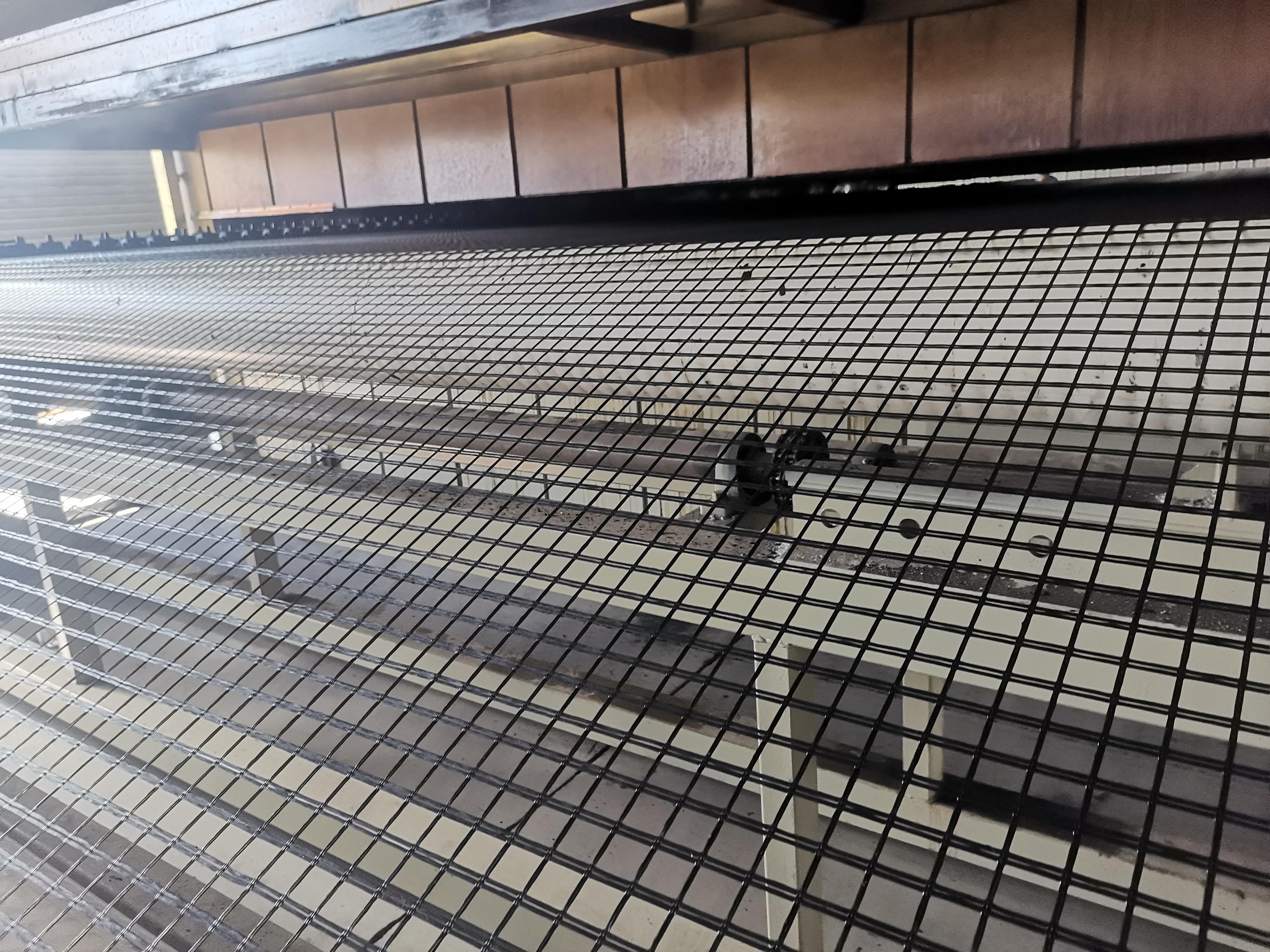
Why Use Geogrid for Driveway Stability and Load Distribution?
Driveways get worn down constantly by cars driving over them plus all sorts of weather conditions. When there's no proper support underneath, those surfaces start showing their age pretty quickly with deep ruts forming and cracks appearing where the ground beneath has shifted due to pressure. That's where geogrid technology comes in handy. These special grids work together with gravel and other base materials to create something stronger than just loose fill. The result? Loads get spread out across a wider area instead of concentrating on single points. Tests show this method can cut down stress spots by around two thirds compared to regular driveway construction methods. What does this mean for property owners? Less sinking in certain areas and fewer ugly deformations ruining the appearance of their driveway over time.
When it comes to weak soils, geogrids really step up their game by boosting load bearing capacity. This means contractors can get away with much thinner layers of aggregate while still getting solid performance out of the ground. The savings are pretty impressive too many companies report cutting their base material expenses somewhere around 30%. Another big plus is how these grids let water drain through instead of pooling up and messing with the subgrade stability. Most polymer options stand up well against those pesky soil salts and moisture over time. They keep their strength intact for years and years without rusting or breaking down, which makes them a smart long term investment for road projects and similar infrastructure work.
Installation proves cost-effective long-term: geogrid-reinforced driveways require 50% less maintenance over 20 years. The initial investment recoups through reduced repair frequency and material savings—making geogrids ideal for heavy-traffic access roads and unstable soil conditions.
Selecting the Right Geogrid Driveway System for Soil Conditions and Traffic Loads
When picking out the right geogrid system for driveways, there are really two main things to look at first: what kind of soil is underneath and how much traffic will be going over it. Soils that aren't so strong, think clay or those soft silts, need stronger reinforcement just to hold up. And if big trucks or commercial vehicles will be driving over regularly, the material needs way more tensile strength compared to something used only by cars in a residential area. Getting this right makes all the difference. It stops problems with uneven settling down the road and can actually make the whole system last about half again as long as regular bases without any reinforcement.
Matching Geogrid Tensile Strength to Subgrade Bearing Capacity
The tensile strength of geogrids needs to be at least 30 to 50 percent higher than the subgrade pressure if we want proper load transfer across the foundation. Take soft clay soils for instance these have bearing capacities below 100 kPa and generally need around 20 kN per meter of tensile strength just to stand up against minor traffic without deforming. Before making any decisions, engineers should run plate load tests first to get a good handle on what the soil modulus actually is. Then they can pick out geogrids whose aperture sizes will lock into place with the aggregate particles in the base material. Going overboard on specifications just burns through materials unnecessarily, but going too cheap leads to problems down the road like rutting formations. This becomes even worse during those freeze thaw cycles when the strength of the soil underneath can swing wildly sometimes dropping as much as 40% from day to day.
Comparing Polymer Types: HDPE vs. Polyester for Long-Term Performance
| Property | HDPE Geogrids | Polyester Geogrids |
|---|---|---|
| Hydrolysis Resistance | Moderate (avoid pH <4) | Excellent (stable pH 2–11) |
| UV Degradation | 5–7 year lifespan uncovered | 15+ years with coatings |
| Creep Potential | High under sustained loads | Low (≥0.5% elongation/year) |
Polyester outperforms in acidic soils and high-traffic zones but costs 25% more than HDPE. For cost-sensitive residential projects with neutral soils, UV-stabilized HDPE provides sufficient 10-year durability when properly covered by aggregate.
Step-by-Step Geogrid Driveway Installation Best Practices
Proper execution ensures optimal load distribution and longevity. Follow these engineered protocols to achieve 95% compaction density (ASTM D698) and reduce long-term maintenance by 25%.
Subgrade Preparation and Base Layer Compaction
Begin by excavating 6–8 inches of unstable soil and removing organic debris. Verify subgrade uniformity with laser grading, then compact in 4-inch lifts at optimal moisture content. Achieve 90–95% Proctor density using vibratory rollers—critical for preventing differential settlement under 10-ton axle loads.
Geogrid Placement, Alignment, and Connection Techniques
Unroll geogrids perpendicular to traffic flow with minimal wrinkles. Maintain 6–12 inch overlaps between adjacent rolls, secured with polymer stakes every 3 feet. Ensure the tensile strength direction aligns with primary stress vectors. Anchor edges using T-shaped trenching to prevent creep under cyclic loading.
Aggregate Placement, Rolling, and Quality Control Checks
Fill geogrid apertures completely with angular crushed stone (1.5–2" diameter). Spread aggregate in 6-inch layers and compact with 8-ton rollers at ≥5 mph. Conduct in-situ CBR tests to verify ≥15% bearing capacity improvement. Validate surface tolerance within ±0.5 inch per 10-foot span using laser levels.
Cost-Benefit Analysis: Geogrid Driveway ROI vs. Traditional Construction
Comparing geogrid driveways to traditional methods reveals compelling financial advantages. While initial geogrid installation costs run 15–20% higher due to material expenses, lifecycle savings deliver a typical ROI within 3–5 years. The key drivers include:
- Aggregate Reduction: Geogrids enable 30–50% thinner aggregate layers while maintaining load-bearing capacity
- Maintenance Savings: Stabilized bases reduce rutting and potholes, cutting repair costs by 40% over a decade
- Lifespan Extension: Properly installed geogrid systems triple pavement durability in weak subgrade conditions
According to industry research, geogrid driveways can cut overall costs anywhere from 25% to maybe even 35% compared to traditional methods, especially when dealing with areas that get heavy traffic or sit on weak soil foundations. Installation goes much quicker too, which means less money spent on labor and shorter time frames for getting projects completed. Contractors find themselves making better profits because these roads don't need constant repairs down the road, plus clients tend to be happier knowing their investment lasts longer than expected. From an engineering standpoint, there's also something appealing about how consistently these systems perform. It takes away the guesswork during planning stages and helps avoid those expensive last minute fixes later on, giving peace of mind about potential problems down the line.
FAQ
What are geogrids and why are they important for driveway construction?
Geogrids are engineered grids that reinforce the base materials beneath driveways, distributing weight and reducing wear and tear on the surface. They help in stabilizing the driveway and improving load distribution.
How do geogrids help in reducing maintenance costs?
Geogrid-reinforced driveways require less maintenance over time as they prevent uneven settling and deformation. By enhancing the load-bearing capacity and stability, they extend the lifespan of driveways, thereby saving repair costs.
What factors should be considered when selecting a geogrid system for a driveway?
It's important to consider soil type and traffic load. Weak soils require stronger reinforcement, and roads frequently used by heavy vehicles demand geogrids with higher tensile strength.
How do geogrids contribute to quicker and more cost-effective installation?
Since geogrids allow for thinner aggregate layers while maintaining durability, the installation process becomes faster and less labor-intensive, saving costs on materials and labor.