
 EN
EN
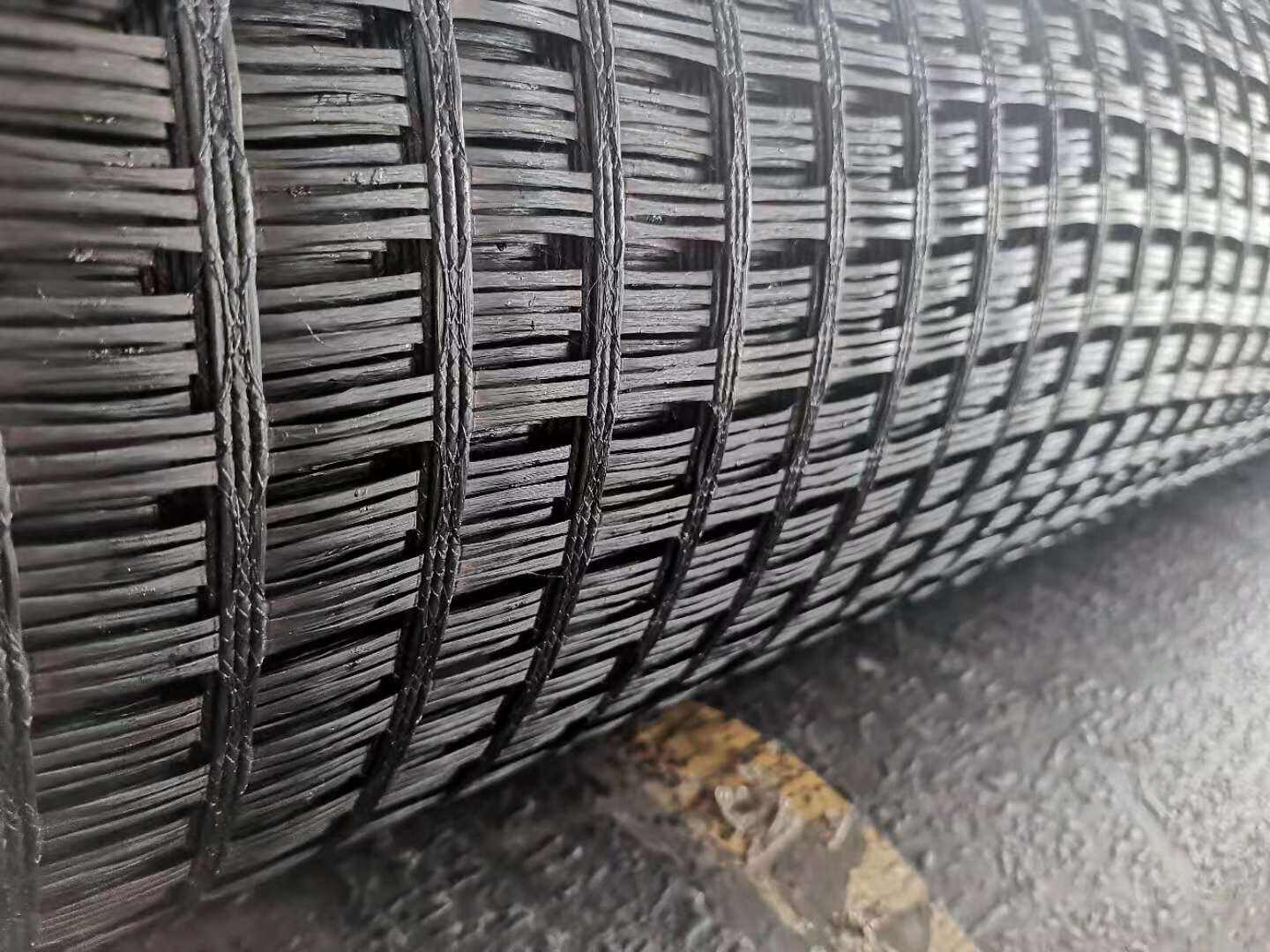
How Geogrid Road Reinforcement Reduces Initial Construction Costs
Geogrid road reinforcement significantly lowers upfront construction expenses through two primary mechanisms.
Thinner pavement sections enabled by geogrid reinforcement
When installed properly, geogrids spread weight across the road surface rather than letting it concentrate in one spot. This means engineers can build roads with thinner asphalt layers - about 20 to 30 percent thinner than traditional methods - while still getting the same structural integrity. The savings are pretty substantial too. Less digging, fewer materials needed, and reduced labor costs for placing those materials all add up over time. Another benefit comes from the geogrid's tensile strength properties. These help prevent ruts from forming because they stop small stones and aggregates from moving around when vehicles pass over repeatedly throughout the day.
Reduced aggregate and base material requirements
Studies conducted by the FHWA and AASHTO show that using geogrid reinforcement can cut down on the need for imported aggregate materials anywhere between 15% to 25%. When these grids lock into place within compacted soil and existing aggregate layers, they actually strengthen the ground beneath roads and structures. This means engineers can often get away with using whatever local fill material happens to be available nearby, even if it's not top quality. The financial savings are pretty significant too. Less money spent on buying expensive aggregates, fewer trucks rumbling around sites creating pollution, and overall simpler logistics management at construction sites. Plus projects tend to move along faster when there's less waiting for materials to arrive from distant suppliers.
Extending Service Life and Delaying Major Rehabilitation
Mechanisms of load distribution and stress reduction in geogrid road systems
When placed inside base layers, geogrids work together with aggregate materials to spread out the weight from vehicle wheels sideways, creating what engineers call a tensile membrane effect. Field tests supported by the Federal Highway Administration show this can cut down vertical stress on poor quality subgrades by around 40%. The way these grids lock into place stops particles from shifting around so much, which boosts how well the ground supports weight. This helps prevent small areas from collapsing and delays when those annoying ruts start forming in roads. Because of all this, road builders can actually use thinner pavement layers that still hold up against heavy trucks and other big vehicles, while keeping their performance good for years to come.
Data-driven lifespan extension: Case studies and performance metrics
Studies tracking pavement performance over time indicate that roads reinforced with geogrids can last anywhere between 15 to 25 extra years before needing significant repairs. The Federal Highway Administration ran a comprehensive 12 year investigation on highways where they added reinforcement materials. Their findings revealed something pretty impressive: there was about half as much rutting depth (that's when the road surface gets those deep grooves) and nearly three quarters fewer cracks forming from repeated stress compared to regular pavement sections. When engineers actually measured what was happening underneath, they found the asphalt layers experienced around 30 percent less strain buildup, and those annoying reflective cracks that spread from below the surface developed much more slowly. Looking at airports specifically, the FAA collected information from 47 different taxiway projects through their research program. What they discovered? Airports using geogrid stabilized bases needed maintenance work done roughly 40 percent less often than traditional approaches. All these benefits add up financially too. According to standard calculations used in infrastructure planning, this means saving approximately $180 thousand for every mile of road lane over its entire lifespan.
Mitigating Common Pavement Failures with Geogrid Road Technology
Suppressing rutting and reflective cracking through base stabilization
Base stabilization with geogrids helps fight off those pesky road problems we all know too well: rutting and reflective cracking. When particles lock together in the aggregate layer, they actually cut down on shear strain in asphalt surfaces by around half, especially when temperatures climb during summer months. This isn't just theory either; actual tests following ASTM D6758 standards back this up pretty solidly. What about reflective cracks? That's where geogrids really shine as a kind of buffer zone between layers. They stop cracks from moving upward through the pavement structure. Road crews have measured real world results showing these reinforced sections stay crack-free for an extra three to five years over regular pavement. Longer lifespan means fewer pothole repairs and road closures for maintenance work.
Preventing differential settlement on weak subgrades
When dealing with soft or changing ground conditions, geogrids offer crucial tensile support that makes all the difference. The way these grids are designed with their open spaces helps hold back weak subgrade material underneath roads and structures. This creates something stable enough to work on while preventing the soil from moving around beneath whatever is built on top. Studies show this kind of confinement can cut down vertical pressure on soft earth by anywhere between thirty to fifty percent. That means less of those annoying dips and bumps we see on surfaces later on. For builders working on tricky sites where normal approaches require expensive digging out or replacing entire sections of poor quality soil, geogrid technology has become a game changer. Contractors report saving money time after time when tackling projects with substandard ground conditions.
Geogrid Road Applications Across Rehabilitation and Extension Scenarios
The geogrid road tech offers pretty versatile and budget friendly options for both fixing existing roads and building new ones. When repairing old roads, these grids help keep the base layer from falling apart. They stop those annoying ruts from forming and reduce cracks that spread from below. Plus, workers don't have to dig as deep or put down as thick a layer on top. For extending roads into new areas, geogrids let builders construct over tricky ground conditions like soft clay, swampy peat bogs, or even land that's been recently filled in. The grids spread out the weight of vehicles and stop parts of the road from sinking at different rates. This kind of tech has found its way into all sorts of highway projects where traditional methods just wouldn't work so well.
- Shoulder stabilization, preventing erosion and edge collapse
- Embankment reinforcement, supporting elevated road sections
- Subgrade enhancement, improving load-bearing capacity beneath new pavement
- Overlay systems, preserving existing asphalt surfaces
This adaptability consistently reduces aggregate requirements by up to 30% compared to conventional approaches—making geogrids a budget-conscious choice for agencies managing constrained capital and maintenance funds. Its multidirectional strength ensures reliable performance whether extending interstate corridors or rehabilitating rural access roads.
Frequently Asked Questions (FAQ)
What is geogrid road reinforcement?
Geogrid road reinforcement involves using geograd materials to enhance road construction by spreading load distribution and reducing pavement thickness without compromising structural integrity.
How do geogrids reduce construction costs?
Geogrids reduce construction costs by allowing thinner pavement sections and reducing the amount of aggregate and base materials needed, leading to significant savings in materials, labor, and transportation costs.
How much longer can geogrid-reinforced roads last?
Pavements reinforced with geogrids can extend their lifespan by 15 to 25 years compared to conventional methods, delaying major repairs and reducing maintenance frequency.