
 EN
EN
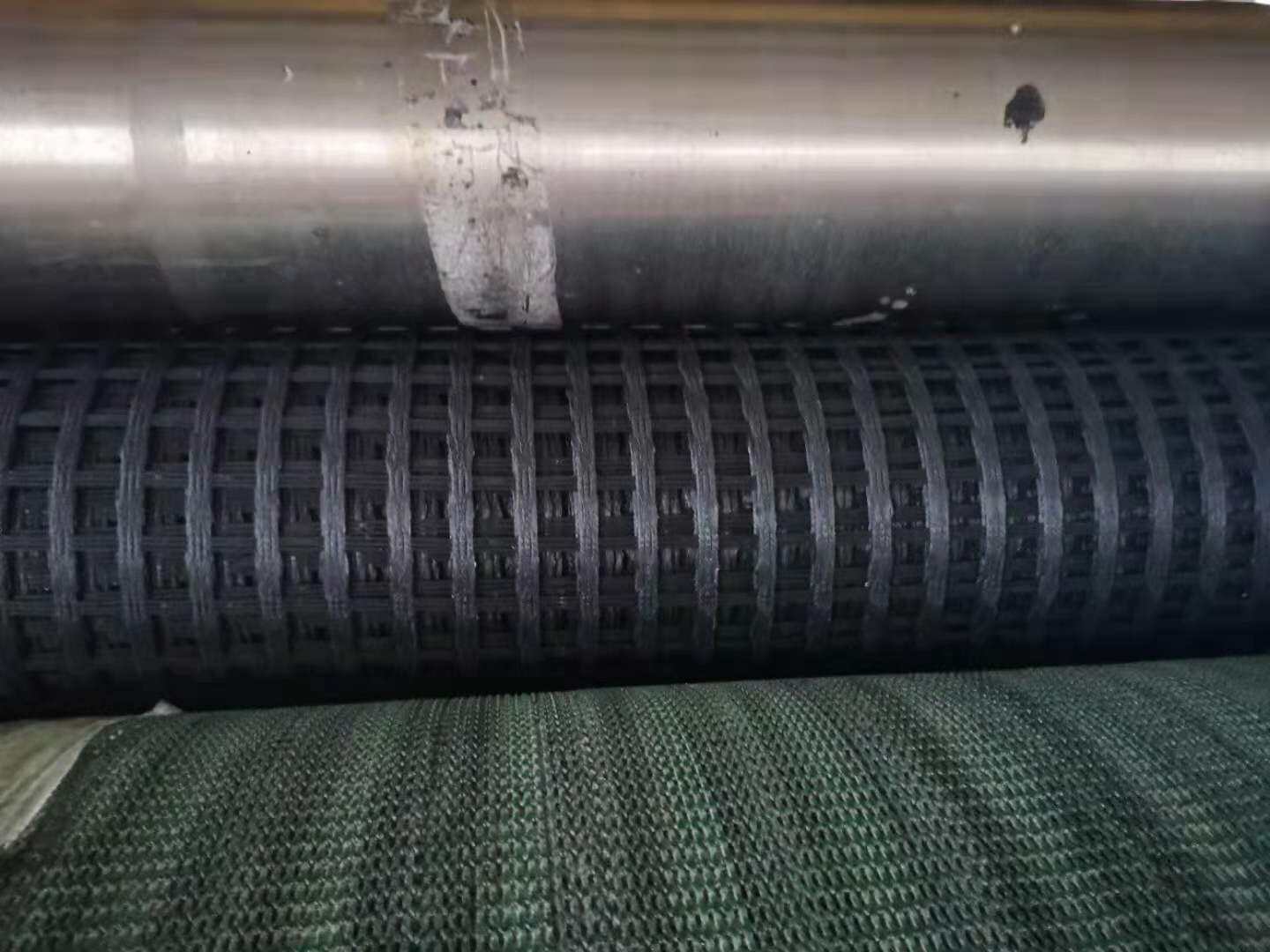
Cost-Effectiveness of Geogrid Retaining Walls vs. Traditional Systems
Material and Labor Savings in Geogrid Retaining Wall Construction
Using geogrid technology for retaining walls cuts down on materials by around 30 to 40 percent when compared with old school gravity walls. This means significantly less concrete needed, not so many bricks or stones, and absolutely no need for those deep foundation trenches. The plastic grid system is pretty light weight too, which makes digging much easier and gets the job done faster. Labor costs typically run between twenty five and thirty five dollars per square foot, which beats out the forty five to sixty dollar price tag for regular concrete walls. Instead of dealing with all that formwork and heavy lifting of traditional blocks, workers simply tuck the geogrid into packed earth behind the wall face. This approach saves money on equipment rentals and dramatically reduces project duration from what used to be one or two weeks down to just four days max.
Lifecycle Cost Analysis: Long-Term Economic Benefits of Geogrid Retaining Walls
Looking at their performance over about two decades, geogrid systems generally cut down on overall costs by around 35 to maybe even 50 percent compared to other options. Made from flexible polymers, these systems handle soil shifts and those pesky freeze-thaw cycles without developing cracks. That means no need for those expensive repairs that can run anywhere from fifteen to twenty thousand dollars when traditional concrete walls start failing after just five to seven years in service. Timber solutions tend to rot away over time, while steel reinforced structures often corrode. Geogrid walls installed correctly don't need much upkeep at all and many last well past twenty five years before needing replacement. For anyone planning long term landscape projects, this makes geogrid a smart investment choice that stands up against both time and weather conditions.
When Geogrid Isn’t Cheaper: Site Conditions That Impact Cost Efficiency
Geogrid’s cost advantage diminishes in three specific scenarios:
- Rocky substrates, where intensive drilling adds $3k–$8k in excavation costs
- Saturated soils, requiring supplemental drainage layers at $12–$18 per linear foot
- Walls under 3 feet, where material savings are marginal
In these cases, traditional crib walls or gabion systems may offer better value despite higher initial outlays. Soil testing is essential before finalizing reinforcement strategy.
Design and Structural Advantages of Geogrid Reinforced Retaining Walls
How Geogrid Reinforcement Distributes Lateral Earth Pressure
When geogrid is used in backfill soil, it basically turns loose dirt into something stronger that can actually hold weight. Instead of all the sideways pressure pushing against the wall itself, the geogrid spreads that force further down into the area where it's been reinforced. What makes this work? There are a few things going on here. First, the soil gets locked into place inside those little openings in the grid. Then there's friction between the soil particles and the grid material itself. And finally, any extra weight or load gets spread out over a much larger area. According to how soil works mechanically, these combined effects cut down on the stress experienced by whatever supports the wall face, sometimes by as much as 40 percent. This means engineers can build walls that are not only thinner and lighter but also allow for steeper slopes without compromising stability.
Design Flexibility for Tiered Gardens, Slope Stabilization, and Erosion Control
Geogrid systems work really well on tricky terrain where things aren't straight lines all the time. They can handle curves, go up to about 15 meters high in each section, and even create those step-like structures perfect for garden terraces. What makes these systems stand out is their capacity to hold onto steep slopes without needing too much ground preparation. This feature becomes super important when working in tight city spaces where every inch counts. When dealing with areas prone to erosion problems, geogrids come with built-in drainage features that stop soil from getting washed away during heavy rains. Tests conducted by the National Transportation Research Board back up this claim, showing that these systems actually perform as advertised under real world conditions.
| Application | Traditional Solution | Geogrid Advantage |
|---|---|---|
| Tiered Landscaping | Multiple concrete walls | Single reinforced structure with planting pockets |
| Steep Slopes | Extensive grading | Minimal earthmoving with slope retention |
| Coastal Erosion | Riprap boulders | Vegetation-compatible stabilization |
This versatility accelerates construction while supporting naturalistic aesthetics that rigid systems cannot replicate.
Installation Best Practices for Geogrid Retaining Wall Systems
Step-by-Step Embedment Protocol and Common Field Errors
Begin with excavation to stable subsoil and install a 6–8 inch compacted gravel base. After placing the first block course:
- Orient geogrid perpendicular to the wall face, extending its strong direction into the slope
- Ensure full contact with block edges and eliminate wrinkles or gaps
- Overlap adjacent sheets by 12–18 inches
- Backfill immediately with free-draining material in 6-inch lifts, compacting to ≥95% Proctor density
Field problems happen all the time, especially when the base isn't properly compacted. Studies show this accounts for around 70% of failures in geotechnical work. Other common issues include grids that aren't aligned right and delays in backfilling operations. When tension isn't applied correctly during installation, it can cut down on how well loads are distributed across structures by about 40%. And those plastic grids left exposed to sunlight? They start breaking down pretty quickly too since UV radiation really takes a toll on polymer materials over time. Most contractors find that for retaining walls shorter than 15 feet tall, putting geogrid reinforcement above every third row of blocks works pretty well. This approach seems to strike a reasonable balance between what it costs, how stable the wall becomes, and how easy it is actually build.
Real-World Applications: Geogrid Retaining Walls in Residential and Landscape Projects
Aesthetic and Structural Success in Landscape Projects (e.g., The Parklands of Floyd’s Fork)
Geogrid retaining walls combine strength with how they fit into landscapes, as seen at places like The Parklands of Floyd's Fork which won awards for its design. These walls can handle changes in the ground naturally while stopping soil from washing away, so they work great for garden terraces, raised paths, and green slopes. According to a recent residential project study from 2024, using geogrid instead of concrete cut down on materials expenses by around 30%, and none of those walls had any problems after five full years. The curves and steps in these wall designs match up well with the natural shape of land, and when plants grow on them too, their roots actually get tangled with the geogrid layers beneath, helping keep slopes stable for longer periods. Plus, because water can pass through the walls easily, there's less pressure building up inside, which solves many drainage issues that plague areas where it rains a lot.
FAQs
How much money can I save using geogrid retaining walls compared to traditional walls?
Geogrid retaining walls can save around 30 to 40 percent on materials and labor costs compared to traditional gravity walls, and have the potential to reduce overall costs by 35 to 50 percent over two decades.
Do geogrid retaining walls require a lot of maintenance?
Geogrid retaining walls require little upkeep once installed correctly. They are durable against soil shifts and freeze-thaw cycles, often lasting well over 25 years without needing replacement.
What are common site conditions that might affect the cost efficiency of geogrid systems?
Rocky substrates, saturated soils, and walls under 3 feet can reduce the cost benefits of geogrid systems. In such cases, traditional solutions like crib walls or gabions might be more economical.
Is geogrid suitable for coastal or erosion control projects?
Yes, geogrid systems are suitable for coastal erosion and stabilization as they are designed for varied terrain, provide vegetation-compatible stabilization, and include built-in drainage features.