
 EN
EN
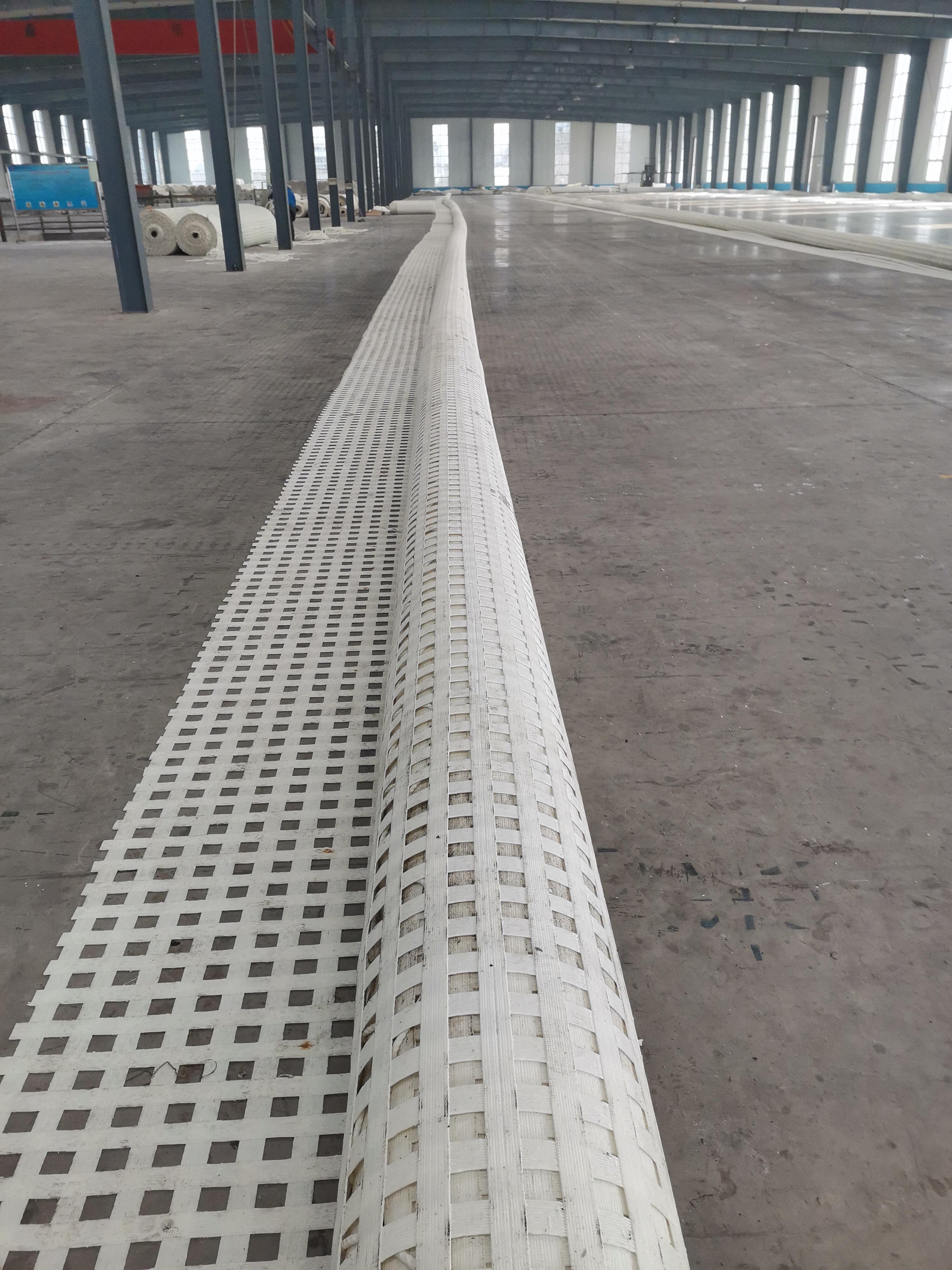
Mine Grid for Rockfall Prevention: Energy Absorption and Load Redistribution
Mechanism: Interlocked Mesh Architecture Dissipates Impact Energy and Stabilizes Loose Blocks
Steel grids made from high tensile materials create interconnected networks that soak up kinetic energy when rocks hit them, thanks to their ability to deform in a controlled manner. What happens next? These grids actually turn collision forces into stored energy within their structure, cutting down on peak loads by around two thirds compared with traditional rigid barriers. At the same time, the strength of these grids spreads out leftover stresses sideways across anchor points, which stops those pesky stress concentrations from forming. Plus, the three dimensional design keeps loose pieces from moving around in any direction. So we get this two pronged approach where energy gets absorbed and loads get spread out throughout the whole support system instead of concentrating at single spots. The end effect? Structures stay intact even when multiple impacts occur simultaneously, something that happens all the time in real world underground mining operations.
Field Validation: 42% Rockfall Reduction at Shandong Iron Ore Mine Using High-Tensile Mine Grid
A field test lasting about 18 months at an iron ore operation in Shandong showed real improvements in worker safety following installation of those special polymer coated high tensile mine grids rated for at least 1770 MPa yield strength in areas where accidents were most likely. The monitoring equipment picked up a pretty impressive drop in rock falls by around 42% throughout the observation areas, plus these grids absorbed over 8 kJ per square meter when hit. What's really important though is how they held up against multiple hits from falling debris weighing up to 1.5 tons without breaking apart. Displacement readings also indicated that secondary failures didn't spread through nearby rock formations, which proves the grids work well for absorbing shock and spreading out pressure forces in actual mining environments.
Mine Grid Control of Gangue Leakage: Sealing Fractures and Reinforcing Weak Zones
Polymer-Coated Mine Grid Enhances Capillary Blockage and Shear Resistance in Gangue-Prone Strata
When gangue leaks occur - basically when broken rock escapes through cracks in the earth - they pose serious risks to mine stability and worker safety. Special polymer coatings applied to mine support grids tackle this problem head on by plugging tiny fractures and strengthening vulnerable areas underground. These coatings create barriers at microscopic levels that stop water from getting in and keep small particles from moving around, which cuts down on seepage problems by roughly 70% according to tests done in actual mining environments. The material also sticks to rock faces, boosting resistance against sliding forces by about half compared to regular grids without coating. What makes this technology stand out is how it does two things at once: instead of just holding these grids, it actively manages fractures by spreading out ground pressures and keeping particles contained within their proper places. Mines that have implemented this system see around 60% reduction in lost materials over time, showing clearly that combining sealing properties with structural strength helps prevent those dangerous chain reactions that can bring entire operations to a halt.
Mine Grid as a Proactive Roof Collapse Mitigation System
Composite Beam Action: Grouted Mine Grid–Rock Interface Transfers Bending Loads Across Laminated Roof Layers
Once installed and properly grouted, the mine grid forms a strong bond with the surrounding rock layers, creating what engineers call a composite beam structure. This bonding process actually helps connect those weak spots in sedimentary rock formations where layers tend to separate under stress. Instead of having failures concentrate at specific points, the stress spreads out more evenly across different rock layers. The grout works its way into cracks and fissures throughout the formation, establishing new paths for force transmission between these natural weaknesses. According to recent studies published in Geomechanics Journal last year, mines using this grouted system experience about 60 percent better roof stability compared to traditional methods without grouting. What makes this approach so valuable is that the grid can handle small shifts in the ground while still maintaining its ability to distribute loads effectively. This characteristic proves particularly important in preventing layer separation issues common in multi-layered geological structures.
Smart Integration: AI-Powered Strain Monitoring on Instrumented Mine Grids Enables Early Failure Detection
Mine grids fitted with built-in fiber optic sensors now provide real time strain maps that can spot tiny deformations down to just 0.1 mm. When combined with artificial intelligence analysis, these setups actually catch stress buildup long before any cracks start showing up visually. The machine learning algorithms work off both past records and current sensor readings to predict chances of collapse around 92 percent of the time according to Mining Technology Review from last year. Once danger signs appear, automated warnings kick in so workers can reinforce vulnerable areas within two hours flat. This quick response cuts down on emergency fixes by about three quarters and makes those reinforced sections last much longer than they otherwise would.
Comparative Advantages of Modern Mine Grid vs. Traditional Support Methods
Compared to old school timber sets, steel arches, and plain shotcrete, modern mine grids beat them all in three main ways. First off, they have this clever interlocking design made from high tensile materials that soaks up rock fall energy about 40 percent better than those stiff supports. Plus, it spreads the weight over bigger areas which stops stress building up in one spot. Second, putting these grids in place takes around 60% less time than regular methods, and they last anywhere from double to triple what traditional systems do when exposed to corrosion or heavy pressure conditions. This means lower maintenance bills over time. Third point worth mentioning is the fact that while traditional supports just sit there doing nothing, smart mine grids come equipped with sensors that monitor strain levels in real time. This lets engineers jump in before problems develop with things like roof sagging or unwanted material seeping through cracks. All told, these features make modern grids not only stronger but also smarter choices for managing underground structures safely and efficiently.
FAQ
What are mine grids made from?
Mine grids are typically made from high tensile steel materials that are capable of soaking up kinetic energy during rockfalls.
How do mine grids prevent rockfalls?
Through a mechanism involving energy absorption and load redistribution, mine grids dissipate impact energy and stabilize loose blocks within the mining environment.
What benefits come from using polymer-coated mine grids?
Polymer-coated mine grids enhance capillary blockage and shear resistance, reduce gangue leakage by sealing fractures, and reinforce weak zones.
How does AI help with mine grid effectiveness?
AI-powered strain monitoring systems on instrumented mine grids enable early failure detection and prompt maintenance actions to prevent collapses.
How do modern mine grids compare to traditional support methods?
Modern mine grids offer improved energy absorption, faster installation, greater durability, and enhanced monitoring capabilities as compared to traditional support methods such as timber sets, steel arches, and shotcrete.