
 EN
EN
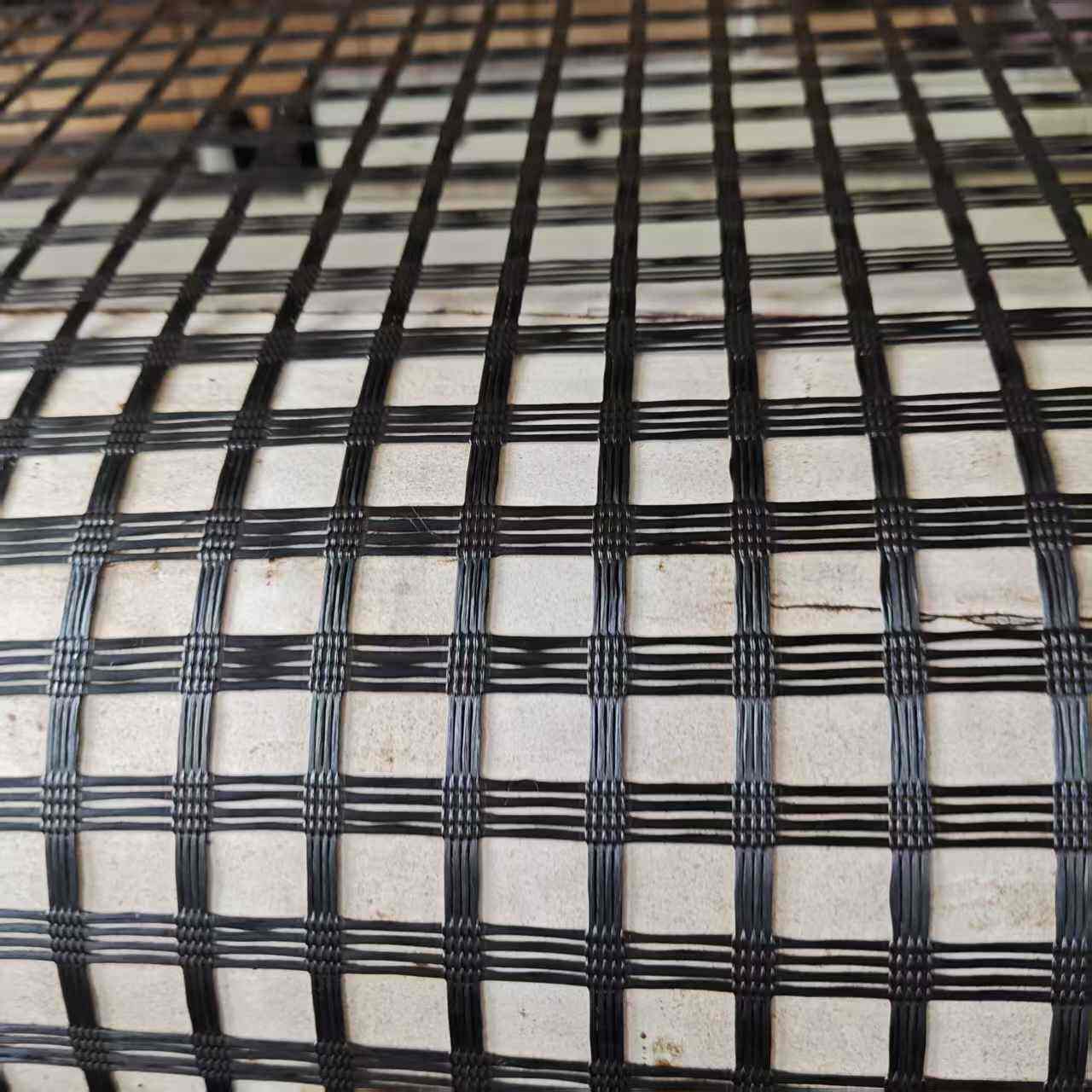
How Asphalt Geogrid Lowers Total Cost of Ownership
Reduced Aggregate and Asphalt Layer Thickness Cuts Initial Material Costs
Using asphalt geogrid reinforcement allows road builders to cut down on pavement thickness without sacrificing structural strength. The grid's impressive tensile strength works by locking into the aggregate base and granular subgrade materials. This helps spread out vehicle weight across wider areas instead of letting it concentrate straight down onto the soil below. Most engineers find they can go as much as 30 percent thinner with their aggregate base layers, and sometimes even shave off 15 to 25 percent from asphalt overlay thickness too, all while keeping everything performing properly. When projects incorporate these kinds of design improvements, material costs drop because there's simply less stuff needed. Transportation expenses fall along with the amount of equipment required for placement work. Plus, digging up less earth means crews spend less time compacting surfaces, which speeds things up considerably during construction phases. All told, this approach typically saves between 18 and 22 percent on initial investment costs when compared against traditional methods that don't use reinforcement.
Extended Pavement Life Reduces Lifecycle Costs by 25–40%
One of the biggest money savers shows up down the road: studies from the Federal Highway Administration and Transportation Research Board indicate that using asphalt geogrid can actually double or even triple pavement lifespan, adding somewhere around 8 to 12 extra years before major repairs are needed. The way it works is pretty simple too. When placed correctly, this grid material takes on those pesky tensile stresses where old road bases meet fresh asphalt layers. This helps prevent those annoying cracks from forming through to the surface and stops deep ruts from developing. According to FHWA's latest analysis from 2023, roads built with geogrid cost about a quarter to forty percent less overall when looking at all expenses over twenty years. Municipal budgets see real cash benefits beyond just saving on asphalt and labor costs. There's also less hassle with managing traffic during repairs, fewer times crews need to bring in heavy equipment, and importantly, drivers don't spend as much time stuck waiting for roadwork to finish. For local governments watching their bottom line, investing in geogrid makes financial sense that pays off for decades.
How Asphalt Geogrid Enhances Structural Performance
Mechanical Interlock with WMM and Granular Sub-Base Improves Load Distribution
When asphalt geogrid is used with Wet Mix Macadam (WMM) and granular sub-base materials, it creates a strong mechanical bond between these layers. This kind of confinement actually makes the whole system better at resisting shear forces and controlling lateral movement, which helps spread out the weight over larger surface areas. Studies using finite element models indicate that when sections are reinforced with geogrid, vertical stresses on the subgrade drop somewhere between 28% and 42%. That means less damage happens in specific spots where pressure would normally concentrate. For roads subjected to heavy traffic, we're talking about potentially cutting down on rutting by almost half. What's really impressive is how stable this system remains even when dealing with poor quality ground or areas prone to moisture issues. Engineers can build lasting roadways without having to beef up the base layers beyond what's necessary.
Reflection Cracking Suppression Validated Across 12 Highway Rehab Projects (2020–2023)
Data collected from twelve different road repair projects between 2020 and 2023 clearly shows that asphalt geogrid works really well against reflection cracking problems. When properly placed deep enough in the asphalt layer, these grids act kind of like shock absorbers that stop cracks from spreading up from damaged layers below. The results? About 60 to 80 percent fewer cracks appearing compared to areas without any geogrid installed. Why does this happen? Well, the grid helps spread out both heat related stresses and those caused by heavy traffic. At important depths in the pavement, this actually cuts down on sideways strain by around 42%. And what does all this mean practically speaking? Road surfaces last significantly longer – roughly three to five extra years in places where roads get damaged by freezing and thawing cycles, or where there's just tons of vehicle traffic day after day.
Proven Long-Term Reliability and Maintenance Reduction
Case Study: 42% Fewer Patching Events Over 8 Years on I-75 Corridor (Florida DOT)
Take Florida's I-75 corridor as proof of concept. Before they reinforced it, the road would fall apart fast during those seasonal freeze-thaw cycles plus all that heavy truck traffic going through there. They ended up needing to patch sections roughly every year and a half. When the Florida DOT installed this special polymer modified geogrid stuff in areas where stress was highest, something interesting happened. Over eight years, they saw about 42 percent fewer patches needed compared to before. What makes this work? The geogrid does two main things actually spreads out weight across wider areas while also stopping cracks from moving upward through the asphalt layer. Maintenance costs dropped around 30% overall, which means less money spent fixing roads and obviously fewer annoying detours for drivers. Looking at this case shows why geogrid isn't just another construction material anymore but rather becomes part of the road itself, standing up better against constant wear and tear from vehicles passing over day after day.
Addressing the Upfront Cost Misconception: ROI Analysis for Asphalt Geogrid
Many people still think asphalt geogrid drives up the initial cost of projects, but looking at the whole picture tells a different story. Sure, the geogrid itself might account for about 15 to 20 percent of what we spend on base materials. However, it actually cuts down on aggregate and asphalt needs by around 18 to 22 percent right from the start, which balances out most of that extra expense. What really matters though? The Federal Highway Administration has shown that roads built with geogrid last longer and save between 25 to 40 percent in overall costs when considering a 20 year timeframe. These roads typically stay in good shape for 8 to 12 years before needing work, and there's been a significant drop in patching requirements too. We saw this firsthand on I-75 where crews had to do far less maintenance than usual. Plus, when we factor in all those hours drivers spend stuck in traffic during repairs plus the environmental impact of multiple construction phases, the investment pays off completely within just 7 to 10 years. So let's be clear: asphalt geogrid doesn't simply add to the bill. It creates real value that helps stretch infrastructure dollars while keeping our roads durable and functional for decades.
FAQ Section
What is the main benefit of using asphalt geogrid?
The primary benefit of using asphalt geogrid is the reduction in overall costs, both in terms of material and long-term maintenance. It allows for thinner pavement designs while maintaining structural integrity, leading to significant savings over the lifespan of the road.
How does asphalt geogrid extend the lifespan of pavement?
Asphalt geogrid extends pavement lifespan by absorbing and redistributing tensile stresses, which prevents surface cracks and deformation. This results in fewer repairs and lower maintenance costs over time.
Is the initial cost of using asphalt geogrid higher than traditional methods?
Although the initial cost of asphalt geogrid may appear higher, it actually brings down overall expenditures by reducing the need for materials and increasing pavement longevity, leading to a substantial return on investment in the long term.