
 EN
EN
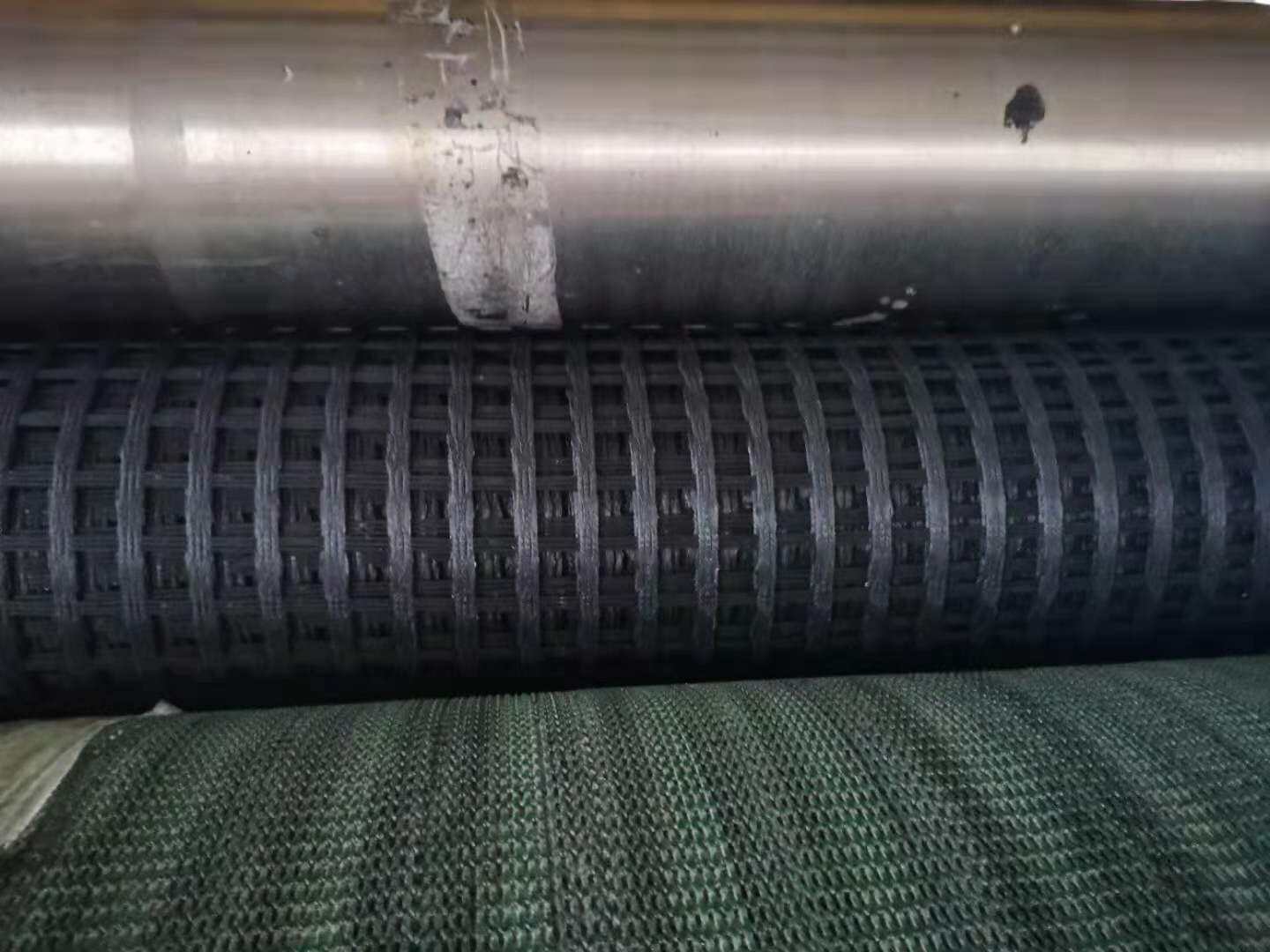
Why Geogrid Reinforcement Is Essential for Retaining Walls Over 4 Feet
How geogrid retaining wall systems resist lateral earth pressure through soil-geogrid interaction
Geogrid retaining walls work by creating a stronger soil mass that fights against sideways earth pressure using a kind of mechanical grip. When these uniaxial geogrids get buried in packed backfill material, the spaces between them actually lock together with the soil particles around them, turning loose grains into something more like a solid block. What happens next is pretty interesting - the geogrid starts working its tensile strength to push back against those horizontal forces while spreading out the pressure throughout the whole reinforced area. Good installation practices can cut down on side movement by roughly 80 percent when compared to regular walls, according to tests done following standard industry guidelines. How exactly does all this happen? Well, basically there are three main things going on here:
- Frictional resistance between soil and geogrid ribs
- Confinement of aggregate within apertures
- Tensile reinforcement transferring stress away from facing units
Limitations of unreinforced gravity walls: structural instability, cracking, and overturning beyond 4 ft
Unreinforced gravity walls rely solely on self-weight and base width for stability—a design approach that becomes increasingly hazardous beyond 4-foot heights. Without geosynthetic reinforcement, these structures exhibit critical vulnerabilities:
| Failure Mode | Cause | Consequence |
|---|---|---|
| Overturning | Insufficient moment resistance | Wall rotation or collapse |
| Sliding | Low base friction | Horizontal displacement |
| Structural cracking | Differential settlement | Water infiltration and long-term damage |
Transportation department records indicate something pretty alarming actually. More than half (around 45%) of those old unreinforced walls standing taller than four feet end up needing fixes within just ten years because of problems like soil movement or water pressure building up behind them. Now when it comes to gravity walls specifically, there's this math thing going on where the base gets way too wide as the wall gets taller. Take a standard six foot wall for instance, it might need a base that's almost as wide as four feet itself! That kind of footprint makes these structures really hard to fit into most spaces and they tend to cost way more than other options like walls reinforced with geogrid materials which are much more practical in real world situations.
Selecting the Right Geogrid for Your Retaining Wall Height and Load
Matching tensile strength and creep resistance to design life (e.g., 75+ years) and wall height (6–25 ft)
When designing retaining walls, engineers need to match the tensile strength of geogrids with what the structure will actually face in terms of loads and overall height. Walls taller than about six feet deal with much higher lateral earth pressure, which means going for geogrids rated between 40 to 60 kN per meter makes sense. Creep resistance matters too. This refers basically to how well the material holds its shape when constantly under stress. For projects needing around 75 years or more of service life, look at geogrids that show no more than 3% strain after those long 10,000 hour tests. The goal here is keeping deformation to a minimum in structures where stability literally holds everything together.
ASTM D6637 compliance and FHWA-recommended load-height matrix for geogrid retaining wall design
Adherence to ASTM D6637 ensures geogrids meet minimum tensile, junction strength, and durability thresholds. The Federal Highway Administration (FHWA) further refines selection through its load-height matrix, which correlates wall height, required strength, and soil type factor:
| Wall Height | Required Strength (kN/m) | Soil Type Factor |
|---|---|---|
| 6–10 ft | 20–30 | 1.2–1.5 |
| 11–15 ft | 30–45 | 1.5–1.8 |
| 16–25 ft | 45–70+ | 1.8–2.2 |
This framework prevents under-design while optimizing material costs. Non-compliance risks wall slippage or collapse—particularly in cohesive soils where pore pressure amplifies failure likelihood.
Optimal Geogrid Placement: Spacing, Embedment, and Layer Integration
How geogrids are placed makes all the difference when it comes to keeping a retaining wall standing strong. When installed correctly with good spacing between them and properly embedded in the ground, walls have about a 65% lower chance of failing, as noted in a recent NCMA report from 2023. The work starts at the very bottom, where workers need to get rid of any plants growing there and make sure the dirt underneath is flat and packed down tightly enough so there's no more than an inch variation across ten feet of space. Once that's done, the geogrid material gets laid out straight across from the front of the wall while being kept taut throughout the process. There shouldn't be many wrinkles either, maybe around 3% maximum, and definitely no folding over anywhere. To hold everything in place, contractors typically drive those 12 inch long galvanized staples into the earth every three to five feet apart, especially when dealing with soils that stick together well.
- Spacing: Vertical intervals of 8–16 inches for walls ≥20 feet tall
- Embedment: Minimum 90% coverage length beyond the failure plane
- Layer Integration: Sequential 8-inch aggregate lifts compacted to 95% Proctor density before installing the next geogrid layer
This layered approach maximizes soil-geogrid interaction, distributing lateral earth pressures while preventing pullout failure. Backfill compaction within ±2% of optimal moisture content ensures uniform stress transfer across the reinforcement zones, creating a monolithic reinforced soil mass capable of supporting design loads for 75+ years.
Uniaxial vs Biaxial Geogrids in Geogrid Retaining Wall Applications
Why uniaxial geogrids dominate segmental retaining wall systems for vertical load transfer
When it comes to segmental retaining walls, uniaxial geogrids really stand out because they have this amazing tensile strength that runs along just one direction. The way these grids are made actually lines up perfectly with how vertical earth pressure works against the wall. What makes them so good is that the long strands of reinforcement basically take all that stress from the soil and send it down to areas where the ground is more stable, stopping the whole wall from shifting around. Now biaxial geogrids work differently. They spread their strength evenly across both directions which is great for things like road bases where forces come from multiple angles, but not so much when dealing with straight up and down loads. This focused directionality means we don't need as much material overall without sacrificing any structural stability. For anyone building retaining walls taller than four feet, switching to uniaxial designs can cut costs anywhere between 15 to 30 percent compared to using biaxial options. Plus, these walls tend to hold up better against those annoying problems like slow soil movement or sudden bulges that can ruin an otherwise solid construction job.
Critical Installation Practices That Make or Break a Geogrid Retaining Wall
Avoiding over-stretching: field validation from NCMA installation surveys and its impact on long-term performance
When geogrid gets stretched too much during installation, it loses tensile strength because the material goes beyond what it can handle elastically, which weakens the whole retaining wall system made with geogrid. According to field data collected by NCMA, about 38 percent of walls taller than fifteen feet fail early on because of improper tensioning during setup. What happens next is pretty bad too. The plastic starts changing shape permanently, making the creep effect worse where the geogrid just keeps stretching out over time when weight is applied constantly. After ten years or so, this can cut down how well the wall holds back soil by almost half compared to when it was first installed.
To maintain a design life exceeding 75 years:
- Limit manual stretching to ≤2% strain using calibrated tensioners
- Verify uniform load distribution through post-compaction pull testing
- Eliminate wrinkles without applying longitudinal force
Failure to follow these protocols redistributes stress unevenly, causing bulging or catastrophic collapse within 5–10 years.
Frequently Asked Questions (FAQ)
Why is geogrid reinforcement necessary for retaining walls over 4 feet?
Geogrid reinforcement is critical for retaining walls over 4 feet because it strengthens the soil to resist lateral earth pressure effectively, reducing the risk of structural instability, cracking, and overturning.
How does geogrid reinforcement improve wall stability?
Geogrids work by locking soil particles together to create a mechanically stabilized soil mass that redistributes lateral forces and decreases potential wall movement, enhancing stability.
What are the risks of using unreinforced gravity walls?
Unreinforced gravity walls often suffer from issues such as overturning, sliding, and structural cracking, making them unreliable for heights over 4 feet.
What should be considered when selecting geogrids for retaining walls?
When selecting geogrids, consider tensile strength, creep resistance, and compliance with ASTM standards and FHWA guidelines to ensure appropriate performance and longevity.
What's the difference between uniaxial and biaxial geogrids?
Uniaxial geogrids provide strength in one direction, making them ideal for vertical load-bearing applications, while biaxial geogrids offer strength in two directions, suitable for areas with multi-directional forces.
Table of Contents
- Why Geogrid Reinforcement Is Essential for Retaining Walls Over 4 Feet
- Selecting the Right Geogrid for Your Retaining Wall Height and Load
- Optimal Geogrid Placement: Spacing, Embedment, and Layer Integration
- Uniaxial vs Biaxial Geogrids in Geogrid Retaining Wall Applications
- Critical Installation Practices That Make or Break a Geogrid Retaining Wall
-
Frequently Asked Questions (FAQ)
- Why is geogrid reinforcement necessary for retaining walls over 4 feet?
- How does geogrid reinforcement improve wall stability?
- What are the risks of using unreinforced gravity walls?
- What should be considered when selecting geogrids for retaining walls?
- What's the difference between uniaxial and biaxial geogrids?