
 EN
EN
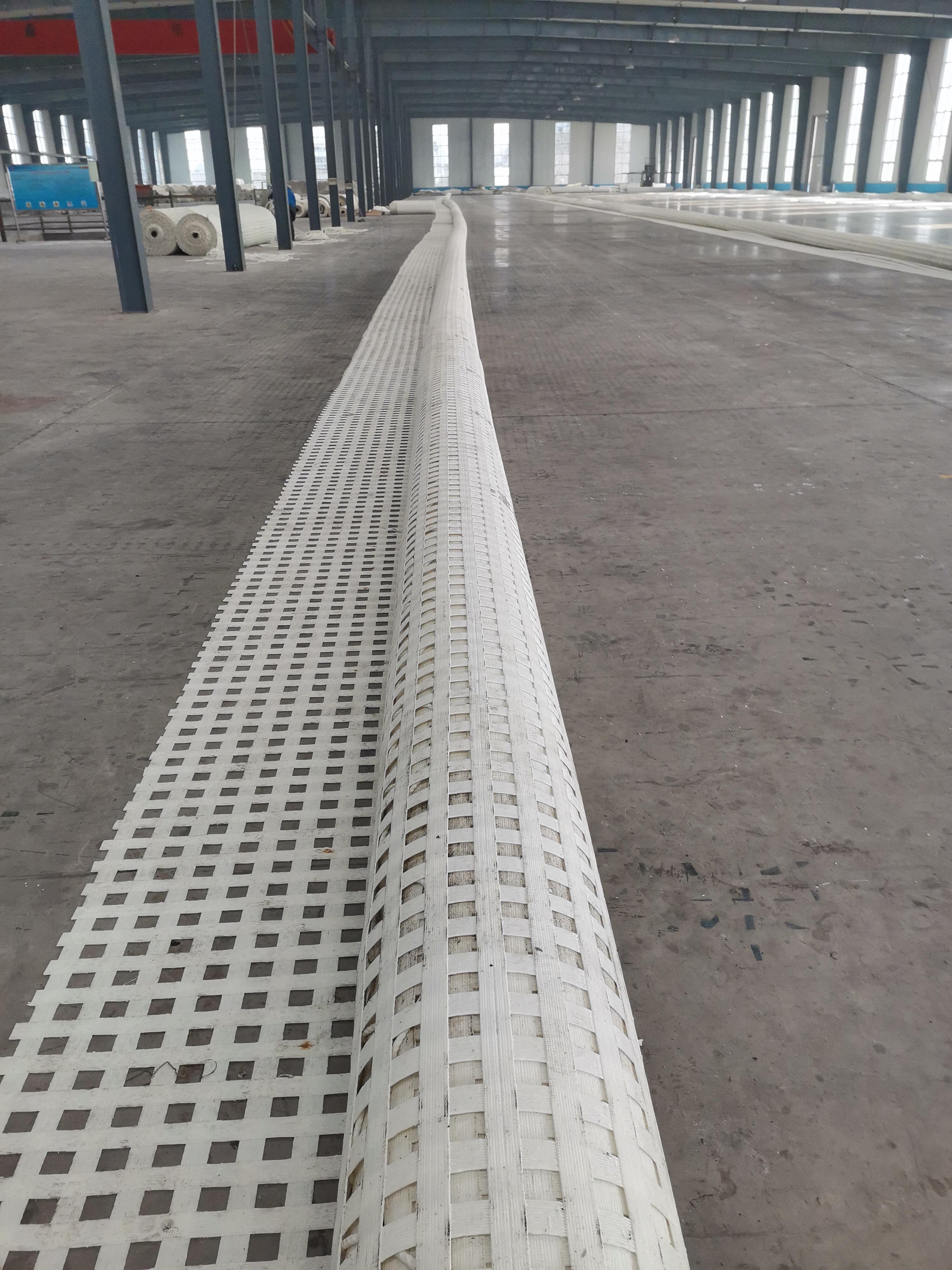
How Mine Grid Enhances Tunnel Stability and Safety
The instability challenge: Depth, stress, and geology driving demand for advanced support
Mining at great depths brings serious stability problems caused mainly by three things working together: going deeper than 1 kilometer underground, concentrated tectonic pressures, and complicated rock structures. When mines go below around 1,200 meters, the weight of the earth above creates vertical stresses that often reach over 30 megapascals. That kind of pressure is enough to crack even solid rock formations. Research shows these conditions are behind about seven out of ten tunnel collapses in mining operations, mostly when ceilings cave in or walls start to flake away. Areas with weak spots such as fault lines or layers of shale make things even worse, which explains why miners now need better support systems that actually stop rocks from moving instead of just responding after damage has already happened.
Mechanism of action: Tensile load redistribution and interfacial bonding in roof and wall zones
The Mine Grid system keeps excavation areas stable by combining two mechanical approaches. The first involves a strong polymer matrix that spreads out heavy loads over larger surfaces, which cuts down on stress points by around 60% when compared to traditional rigid supports. For the second part, special surface patterns create a bond between the grid and the surrounding rock layers through friction. What happens next is pretty remarkable – these loose rock fragments actually become part of a solid structure that can withstand shear forces of about 40 kN per square meter according to lab tests simulating real mining environments. What makes this system stand out is how it continues to provide support even during earthquakes or tremors, stopping failures from spreading throughout the mine. This addresses one major problem with older passive support systems that often fail catastrophically once damaged.
Mine Grid vs. Traditional Support: Performance, Cost, and Installation Advantages
Comparative efficiency: 65% faster installation and elimination of shotcrete rebound waste
Mine Grid speeds up tunnel support installation by around 65% compared to old school steel mesh and wet-mix shotcrete according to real world tests at several top tier mining sites. What makes it so efficient? No fancy tools needed for deployment and no special anchoring hardware either. Crews can typically get through 300 to 400 square meters during a single shift, which is way better than the 120 square meters possible with traditional approaches. Wet mix shotcrete has always been problematic because of all the material lost to rebound. Industry research shows somewhere between 20% and 30% gets wasted this way. But with Mine Grid's polymer grid system, there's absolutely no rebound at all, cutting down on waste and making better use of materials. Plus, the interlocking design means loads start transferring right after placement happens, eliminating those time consuming tasks like manually tightening mesh and setting anchors that used to take so much effort.
Lifecycle economics: Lower total cost of ownership versus steel mesh and wet-mix shotcrete
Mine Grid reduces total cost of ownership by 15–25% over conventional systems across a 10-year tunnel lifecycle. This stems from three durable advantages:
- Durability: Corrosion-resistant polymers remain fully functional in acidic or abrasive environments where steel mesh typically degrades within 3–5 years
- Maintenance: Eliminates recurring shotcrete reapplication cycles, saving $85,000 per kilometer annually in remediation labor
-
Logistics: At 90% less weight than steel, transport fuel costs drop by 40%, and manual handling becomes feasible even in confined or low-clearance tunnels
Its modular design also minimizes inventory waste—unlike wet-mix shotcrete, which demands continuous supply chains and is prone to spoilage. These efficiencies consistently offset higher initial material costs, delivering measurable ROI through extended service intervals and reduced operational downtime.
Proven Reliability of Mine Grid in Real-World Mining Environments
Field validation: 42% reduction in roof fall incidents at a Tier-1 Australian hard-rock gold mine
A Tier 1 gold mine in Australia dealing with tough quartzite rock and known seismic issues saw major improvements after installing Mine Grid throughout 3.2 kilometers of main tunnels. The results? About 42 percent fewer roof falls compared to before they started using this technology. Before the system was put in place, rock bursts kept happening regularly, causing all sorts of unexpected shutdowns and expensive fixes. After installation, there were just not as many critical safety interventions needed anymore. Maintenance workers spent around 15% less time on support work during those 18 months. What does this mean for mining operations facing similar challenges? Traditional support methods simply don't hold up well here, but Mine Grid seems to maintain tunnel stability when nothing else works so reliably.
Operational resilience: Fire-retardant, anti-static performance under extreme heat and humidity (55°C, 95% RH)
Mine Grid keeps all its safety features working properly even when pushed through harsh environmental conditions. We've tested it extensively in situations where temperatures stay around 55 degrees Celsius for long periods and humidity levels hit nearly 95%. The special polymer mix contains built-in fire retardants that stop flames from spreading quickly and cut down on smoke production too. Independent labs have confirmed this meets the top standards for fire resistance according to ASTM E84 Class A ratings. For those worried about static electricity dangers in damp underground environments, our material incorporates anti-static properties that keep surface resistance well under 100 million ohms. That's important because sparks can be deadly in these settings. When we subjected samples to 500 hours of intense testing meant to mimic tropical climates, there was absolutely no loss in strength or ability to hold fast. Most standard materials would fail under such conditions, but Mine Grid continues performing reliably despite heat and moisture challenges that typically break down conventional mining solutions over time.
FAQ
What is Mine Grid?
Mine Grid is a support system featuring a polymer matrix that reduces stress points and creates frictional bonds with rock layers, enhancing tunnel stability and safety in mining operations.
How does Mine Grid compare to traditional support methods?
Mine Grid offers faster installation, less material waste, and reduces the total cost of ownership. It excels in difficult environments and remains functional under extreme conditions.
What cost benefits does Mine Grid provide?
Mine Grid reduces total costs by eliminating recurring maintenance cycles, decreasing transport fuel costs, and offering modular inventory control, providing better ROI than traditional methods.