
 EN
EN
What Is the Mining Grid? Core Principles and Systemic Risk Mitigation
Geological, Operational, and Human Factor Integration
Mining grids work as comprehensive safety systems that bring together rock stability assessments, standard operating procedures, and worker conditions through responsive monitoring mechanisms. Seismic detectors pick up early warning signs of potential collapses while stress maps show weak points in the rock formations. When these systems flag trouble spots, machines automatically stop working there to prevent accidents. Workers wear devices that track their tiredness levels, pulse rates, and exact positions, which helps determine the best escape routes during emergencies. By combining these three aspects, what used to be separate safety efforts now form a single protective approach. This integrated system stops problems from getting worse when geological issues meet operational mistakes or human errors that could lead to disaster.
Case Evidence: Seismic Risk Reduction in the Sudbury Basin Mining Grid
The Sudbury Basin, known for its frequent earthquakes, saw significant improvements after installing a new mining grid system that cut down on rockburst problems using three main approaches. First came those fancy fiber optic sensors spread throughout the area to catch tiny seismic movements before they became issues. Then there were smart computer programs analyzing structures and suggesting where extra support was needed. Lastly, workers got moved around based on real time risk assessments. Whenever pressure built up unexpectedly, the system would automatically send out special polymer grids into weak spots in the mine shafts while keeping people away from dangerous areas. After putting all this together, companies noticed fewer stoppages caused by seismic events. The numbers showed something pretty impressive actually – operations ran smoother because the whole setup could take geological predictions and turn them into actual steps that protected both equipment and miners at the same time.
The Mining Grid’s Multi-Layered Defense Architecture
The mining grid mitigates risk through interdependent physical, administrative, and digital layers—each reinforcing the others to ensure resilience against structural failure and human hazard.
Engineering Controls: Geogrid Reinforcement and Structural Stabilization
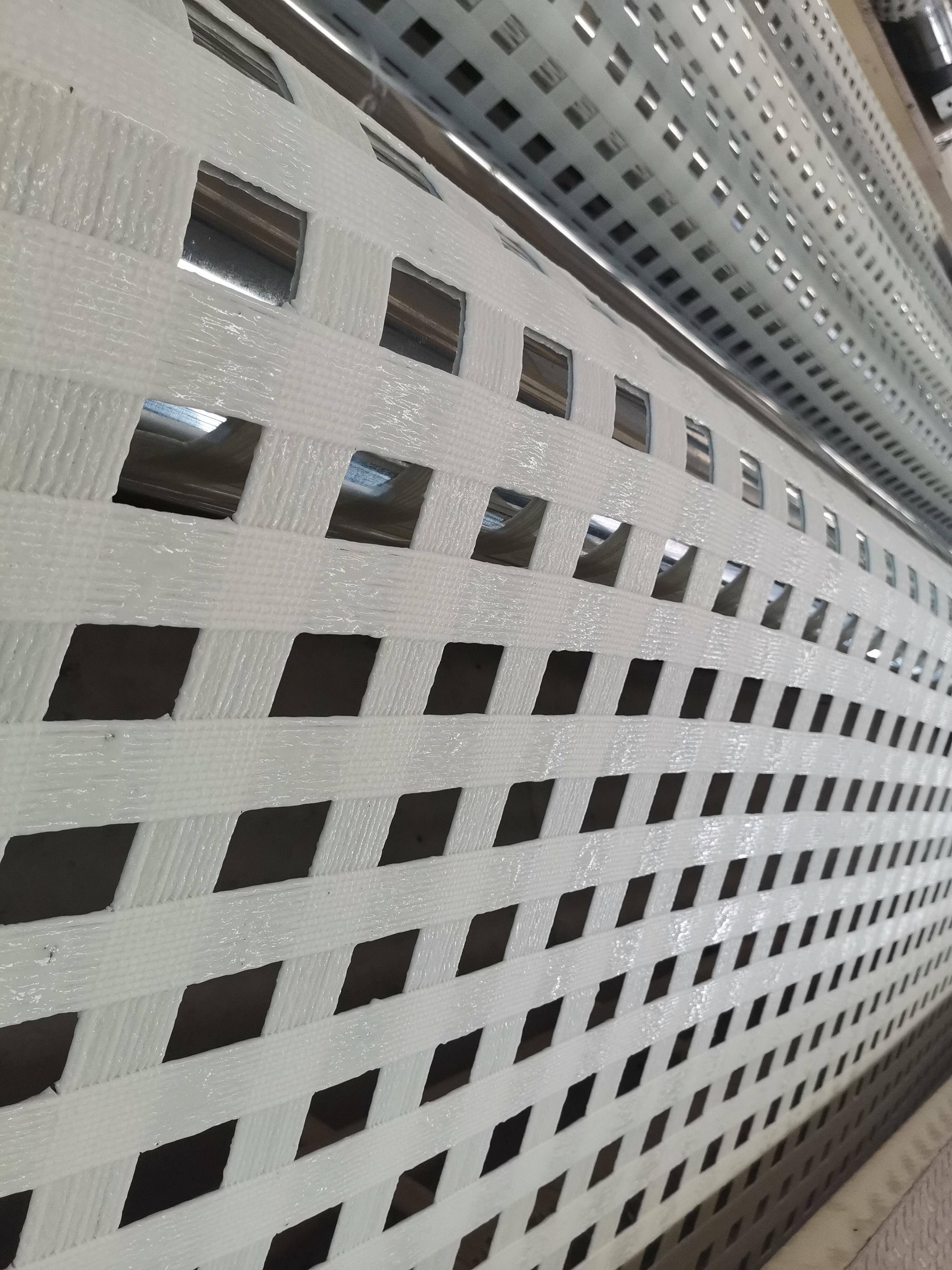
When it comes to stabilizing slopes and tunnels, geosynthetic geogrids really make a difference. They can boost load bearing capacity significantly in areas where stress is highest, sometimes improving performance by around 40%. Meanwhile, steel arch supports combined with shotcrete lining work together to strengthen vital parts of infrastructure. For monitoring purposes, strain gauges track how much things are moving or shifting. If movement goes beyond about 2 millimeters, these sensors send out warnings so engineers know when something needs attention before it becomes a problem. All these methods help tackle unpredictable ground conditions head on. Not only do they keep structures safe for longer periods, but they also cut down on the need for emergency fixes that nobody wants to deal with.
Administrative Safeguards: Real-Time Personnel Tracking and Zoned Access Protocols
Tags equipped with RFID tech can pinpoint locations within less than 30 centimeters, which means people can get out fast when there's an earthquake or gas leak situation. The automated system for controlling access keeps folks away from dangerous areas depending on their certification status, whether they have the right gear on them, and what the current danger map shows. According to research published last year in an industry journal, these kinds of protocols cut down on avoidable accidents by around 29 percent mainly because they stop unauthorized workers from being in places where blasting operations are happening or where the roof might collapse. Regular refresher courses help keep everyone up to date with the changing rules about safety grids throughout different parts of the facility.
Digital Enablement: How Digital Twins and Autonomous Systems Power the Mining Grid
From Reactive Alerts to Predictive Hazard Modeling
Digital twins are basically virtual copies of actual mine infrastructure and operations that keep getting updated with all sorts of information from things like autonomous vehicles, environmental sensors around the site, and those structural monitoring devices too. Smart computer systems process all this incoming data to spot potential dangers before they even happen. They can simulate where rocks might fall, figure out how pressure changes affect broken rock formations, or warn when there's not enough fresh air circulating because gas levels are rising. According to a recent article in Global Mining Review last year, mines using these predictive tools see between 30% and 50% fewer unexpected shutdowns. When danger signs appear, drilling machines automatically move themselves out of harm's way from areas where earthquakes might start happening. Ventilation systems also change how much air flows through tunnels ahead of time if dangerous gases begin building up somewhere. What this means is that instead of just watching what happens after something goes wrong, mines can now plan ahead based on simulations and avoid accidents altogether through smarter decisions made possible by these digital models.
Integrated Emergency Response and Health Protection Within the Mining Grid Framework
Modern mining operations now integrate health monitoring systems right into day-to-day activities. Workers wear biometric devices that track things like blood oxygen levels and heart rate variations throughout their shifts. These gadgets can spot problems such as exhaustion from long hours underground or dangerous heat buildup before someone actually starts feeling unwell. When something goes wrong - say there's a sudden rock fall or gas leak detected - special location-based warnings pop up on miners' equipment. The system shows them the safest way out based on current conditions while sending exact positions to surface rescue crews. There are also medical stations set up deep inside the mines themselves. Getting help happens much faster than traditional methods allow, sometimes reducing wait times by around two thirds according to field reports. Regular virtual reality training sessions keep everyone prepared for worst case scenarios too, so miners react automatically to alarms without needing to think through procedures during actual emergencies.
FAQ
What is a mining grid?
A mining grid is a comprehensive safety system designed to integrate geological assessments, operational procedures, and human factors to prevent accidents and ensure safety.
How does the Sudbury Basin utilize mining grids to reduce seismic risk?
The Sudbury Basin employs fiber optic sensors, smart computer programs, and real-time worker relocations to mitigate seismic risk. This results in smoother operations and fewer stoppages due to seismic events.
What are digital twins in the context of mining?
Digital twins are virtual copies of mining operations that receive continuous updates from autonomous systems. These models help predict hazards and make informed decisions to prevent accidents.
How are workers protected during emergencies in mining operations?
Workers are equipped with biometric devices to monitor health and receive location-based warnings during emergencies, ensuring they find the safest escape routes swiftly.