
 EN
EN
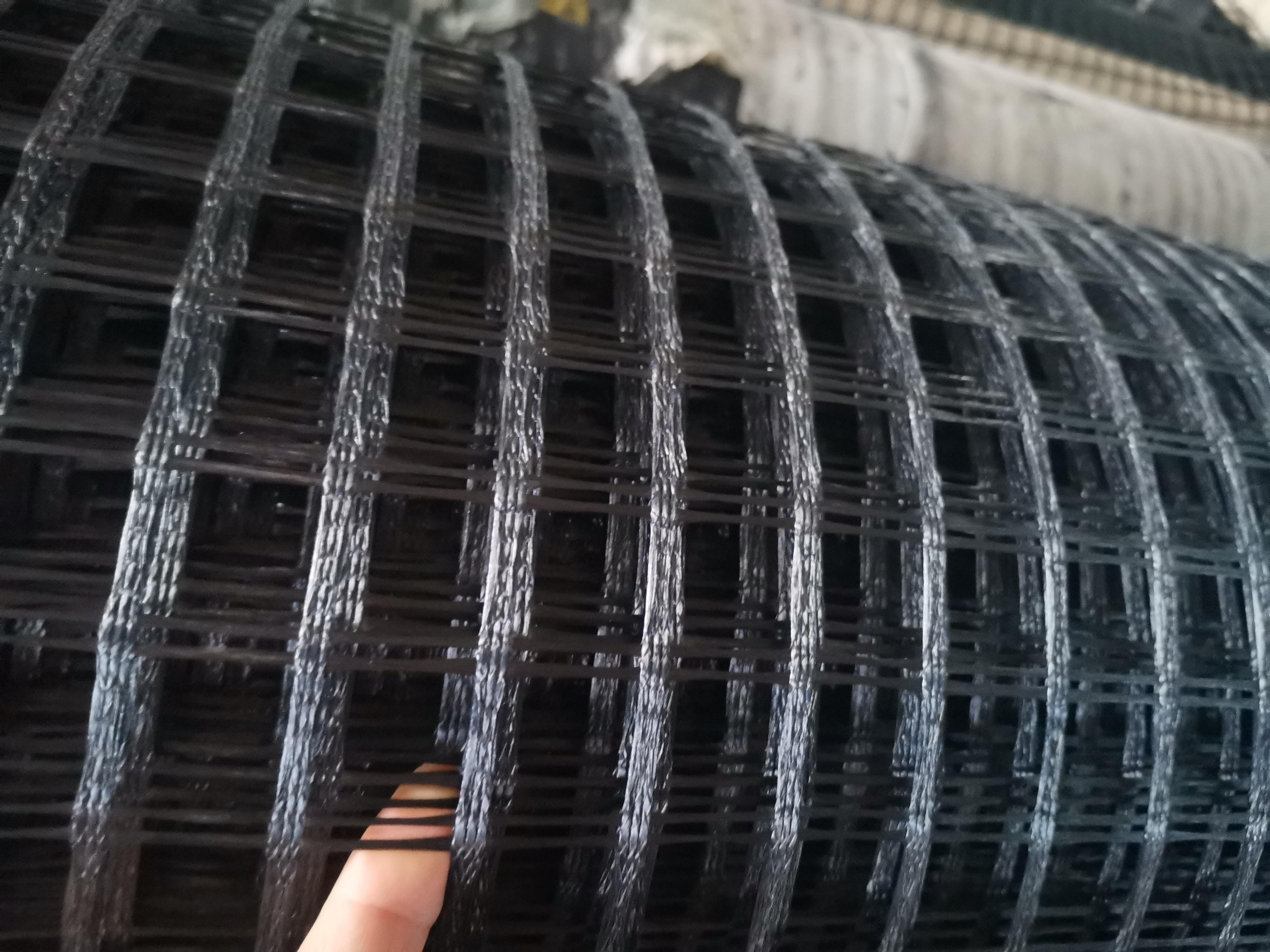
How Geogrids Inhibit Cracking: Structural Reinforcement Mechanisms
Frictional Interlocking and Aggregate Confinement
Geogrids help keep driveways from cracking mainly because they stabilize things mechanically. Think about it like this: when the grid sits under gravel, there's friction between them as they lock together. The holes in the geogrid let small bits of stone get caught in those crosswise ribs, creating something stronger than just loose stones alone. What happens next is pretty cool too. When weight gets put on the driveway, these locked-in stones don't move around so much sideways. That means less settling in different spots and fewer stress points where cracks usually start. The ground actually pushes back against those ribs, making the whole system act kind of like a strong fabric holding everything together. Some tests show that if someone installs geogrid right, it can cut down on stone shifting by more than 40 percent compared to regular old gravel bases. And we all know what that means fewer cracks to deal with later!
Moisture Regulation and Subgrade Stabilization to Minimize Swell-Shrink Cracking
Geogrids help prevent those annoying swell and shrink cracks in clay subgrades through two main ways. For starters, the flat shape of these grids creates little breaks in capillaries which stops water from moving up through the soil, leading to more even moisture levels below ground. And second, when weight gets spread out over larger areas thanks to geogrids, the pressure on the subgrade drops by around 30 to 50 percent. This helps cut down on those compression and drying cycles that cause so much trouble with shrinking cracks. Places where there are big changes in rainfall throughout the year see this as super important since expansive soils can actually change volume by 10 to 15 percent sometimes. Real world tests have shown that sections stabilized with geogrids end up with about 60 percent fewer cracks after going through freeze thaw cycles, proving they really stop cracks from spreading up into the pavement layer above.
How Geogrid Driveways Reduce Stress and Prevent Load-Induced Cracking
Improved Load Distribution Across Weak Subgrades
Geogrids work to stop cracks from forming under heavy loads by spreading out the pressure from vehicle wheels across weaker ground surfaces. When these grids lock together with the base material, they create a sort of reinforcement layer that spreads the weight of vehicles both sideways and downward. Tests show this can cut down on maximum pressure in the soil below by about 40 percent when compared to areas without any reinforcement, which gets rid of those trouble spots where stress builds up and causes roads to break down over time. We see the biggest difference in places with soft earth, squishy ground, or badly sorted soil particles where concentrated forces normally make pavements wear out much faster than expected.
Empirical Validation: Measured Strain Reduction in Field-Tested Geogrid Driveways
Field tests lasting 15 months showed that driveways reinforced with geogrids experienced about 58% less vertical strain when subjected to similar vehicle weights. The research team believes this improved performance comes from how the grid limits sideways movement of the aggregate materials, which makes the whole structure more stable and rigid. Transportation engineers who conducted these tests have noted that lower strain levels directly relate to cracks forming later and the driveway lasting much longer. This effect is especially noticeable on weak ground conditions where conventional methods often need expensive digging out or bringing in new soil materials for proper support.
Geogrid Driveway Deformation Control: Eliminating Rutting and Lateral Failure
Constraining Base Aggregate Movement to Prevent Rutting and Edge Collapse
Geogrids eliminate rutting and edge collapse by physically restraining base aggregates within a rigid, interlocked matrix. Their high tensile strength resists lateral deformation under repeated vehicle loading, locking gravel particles in place and preventing sideways migration. This confinement directly addresses two primary failure modes:
- Rutting prevention, by halting downward aggregate intrusion into soft subgrades;
- Edge collapse resistance, through perimeter reinforcement that maintains structural integrity at vulnerable boundaries.
The result is a unified, load-spreading layer that preserves surface elevation and flatness—even under heavy vehicles or poor drainage conditions—without the need for frequent regrading or patching.
Real-World Performance of Geogrid Driveways: Long-Term Reliability Evidence
Case Study: 12-Year Integrity of a Geogrid Driveway on Clay-Rich Subgrade
A driveway built on top of plastic clay soil, which is known for expanding and contracting with the seasons, stayed completely crack-free after being used nonstop for twelve whole years. When engineers checked it out, they found all the gravel still locked in place beneath the surface. Even with cars driving back and forth constantly and going through countless freezing and thawing periods, none of the particles had moved around. Moisture meters buried below ground showed pretty steady water content throughout the year, staying within about 5% of each other. This stability meant those annoying expansion and contraction forces that usually break regular driveways weren't causing any damage here. The fact that this driveway lasted so long matches what scientists saw in their lab tests where reinforced systems were expected to last at least fifteen years. And when we look at the bottom line, these reinforced driveways save property owners between 40 to 60 percent in maintenance expenses compared to traditional ones that need constant repairs.
FAQs
What are geogrids?
Geogrids are geosynthetic materials used to reinforce soils and similar materials. They are typically employed to improve the structural integrity of surfaces like driveways.
How do geogrids prevent cracks in driveways?
Geogrids enhance the structural stability of driveways by interlocking with gravel and other aggregates to minimize movement, distribute loads, and regulate moisture. This extra reinforcement helps in reducing cracking caused by swell-shrink cycles, load stress, and rutting.
Do geogrids save money on driveway maintenance?
Yes, using geogrids can substantially reduce maintenance costs by preventing common issues such as cracking, rutting, and edge collapse, which often require costly repairs. They can save owners between 40 to 60 percent compared to traditional driveways.