
 EN
EN
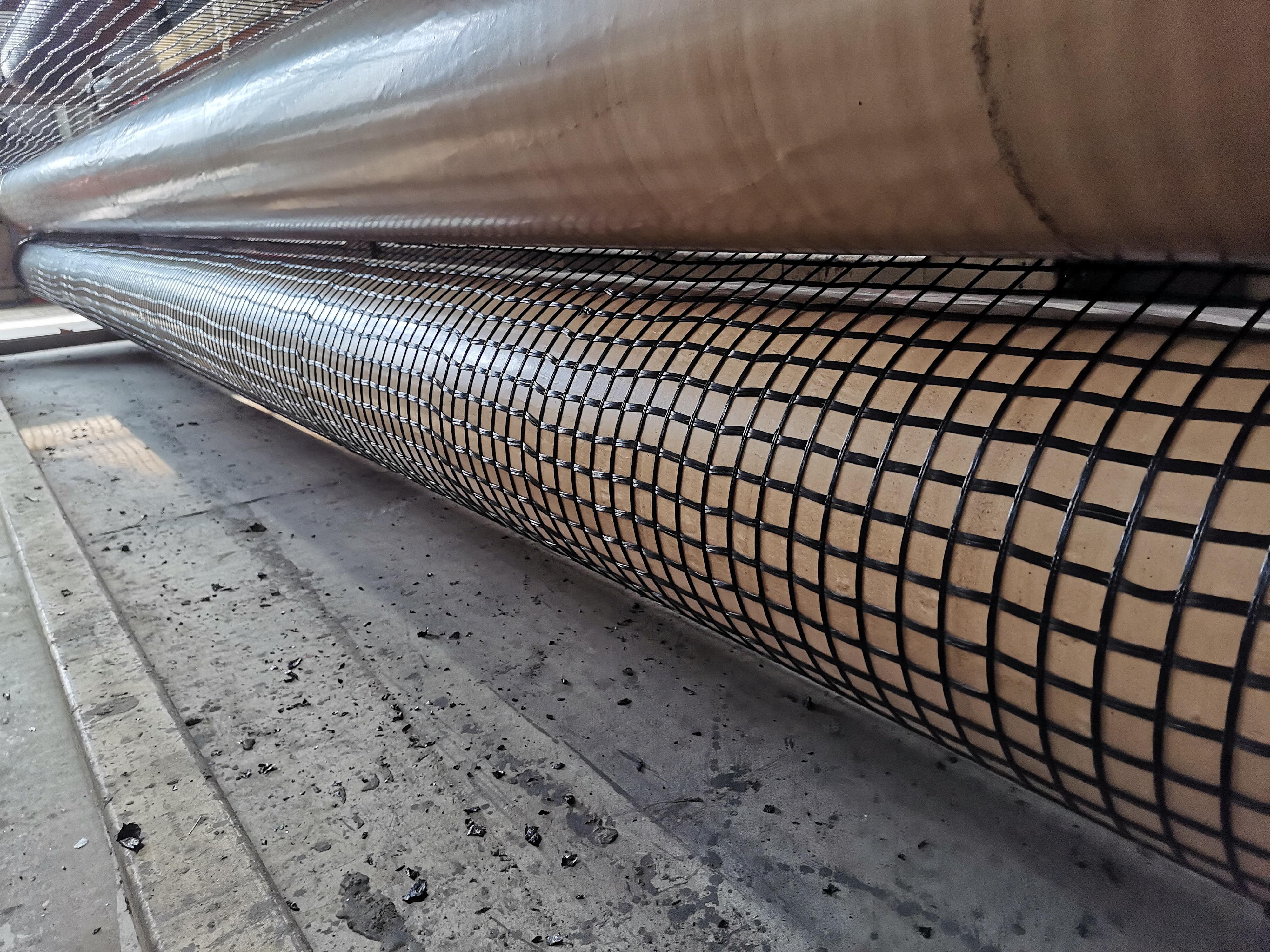
How Asphalt Geogrids Prevent Reflective Cracking
Mechanical Interlocking and Shear-Bonding Mechanisms
Asphalt geogrids stop reflective cracking thanks to two main ways they work together. First off, their grid design lets hot asphalt soak all the way through when laid down, which creates something called mechanical interlocking. This basically stops those little stones in the mix from moving sideways too much. At the same time, the material itself sticks both chemically and physically to the asphalt binder stuff, making it much harder for forces to tear things apart at the interface between layers. When combined, these effects spread out the weight of vehicles and temperature changes over a larger space instead of letting them build up right at where cracks start forming. Tests show this can cut down stress concentrations at crack ends by about half compared to regular overlays without reinforcement. Road engineers have noticed this double action really slows down how fast cracks move up from below, especially near joints or existing fractures in pavements.
Case Study: I-40 Overlay in Arizona â 42% Reduction in Reflective Cracking
Take the recent rehab work on I-40 through Arizona as proof that this stuff actually works in practice. Engineers laid down fiberglass geogrid material right between those old cracked concrete slabs and fresh asphalt layers along about 15 miles of road that gets hammered daily by both scorching heat cycles and constant truck traffic. Five years later? The sections with reinforcement showed only 58 reflective cracks per mile compared to around 100 cracks in areas without it. That means roughly 42% less cracking overall. And guess what? Maintenance crews saved about 60% on repair costs for those treated sections too. Most impressive part? The road surface lasted anywhere from 7 to 10 extra years before needing major fixes again. Makes sense when you think about it the geogrid basically acts like a buffer so the stresses from traffic don't get transferred straight down to the base layer underneath. Pretty smart engineering solution that pays for itself over time.
Improved Structural Performance with Asphalt Geogrid Reinforcement
Asphalt geogrids really boost how pavements work because they bring in that much needed tensile strength where regular asphalt just doesn't have it. What happens is pretty neat actually - when these grids are added, the whole asphalt layer becomes something stronger, almost like a team working together to spread out the weight from vehicles driving over it. Studies looking at pavement models show this can cut down on vertical pressure by around 25% or so on those lower layers beneath the road surface. And there's another benefit too. The way the small rocks in the road mix with the openings in the geogrid creates better balance in how stress moves through the material. This helps stop little cracks from forming in spots where big trucks keep passing back and forth day after day.
Enhanced Tensile Strength and Load Distribution Across Pavement Layers
When installed, the geogrid becomes part of the asphalt mix creating what engineers call a continuous reinforcement plane. This helps fight against those pulling forces caused by vehicles driving over roads and also deals with the constant expanding and contracting from temperature changes. What happens next is pretty cool actually the geogrid spreads out the weight from car wheels across a wider area instead of letting all that pressure build up at single points. Studies indicate putting the geogrid about a third of the way down through the asphalt layer cuts down on sideways stretching by around 42 percent. That means cracks take much longer to start forming in the road surface. Roads built this way transfer loads better too, so there's less intense stress building up beneath the pavement. This matters most when roads sit on weak soil bases or in places where temperatures regularly push asphalt past its comfort zone and makes it softer than normal.
Rutting Resistance and Mitigation of Differential Settlement
Rutting resistance gets a boost from geogrids thanks to how they confine particles and increase shear strength. The tensile properties of these grids actually stop aggregates from moving around so much in the base layer. Tests show this can cut down on shear deformation caused by repeated traffic loads by almost half compared to areas without reinforcement. That makes them particularly useful in hot climates where asphalt tends to soften and deform more easily. Another key function is acting like a sort of tensioned membrane across problematic spots in the subgrade, think utility trenches or places where different soils meet. This helps bridge gaps between inconsistent materials while spreading out settlement pressures sideways instead of letting them concentrate in one spot. What we see in practice is better surface consistency overall, and notably fewer issues with differential settlement when the underlying support isn't perfectly level throughout the project area.
Extended Service Life and Proven Durability of Asphalt Geogrid-Reinforced Pavements
Multi-Jurisdictional Evidence: 30â50% Longer Service Life
Field data from 14 DOT trials (2020â2023) consistently show asphalt geogrid reinforcement extends pavement service life by 30â50% across diverse climates and traffic conditions. Laboratory testing by the Transportation Research Board confirmed that 100-kN/m strength geogrids triple fatigue life, while 200-kN/m variants increase it fivefold. Real-world outcomes include:
- A southwestern highway department reduced rehabilitation frequency by 40% over eight years
- An Asian freeway demonstrated significant lifespan extension after just 10 months of heavy traffic
Economic analysis reveals strong ROI: every $1 invested in geogrids returns $4 in deferred reconstruction costs. Maintenance frequency drops by 25% (UMTRI 2023), and annual emissions fall by 62% by avoiding material-intensive repairsâsupporting both fiscal responsibility and sustainability mandates.
Durability Verification
| Traditional Pavement | Geogrid-Reinforced Pavement | |
|---|---|---|
| Major rehabilitation cycle | 5â8 years | 15â20 years |
| Carbon footprint | 740k tonnes/year | 280k tonnes/year |
| Maintenance cost/km | $47k/year | $35k/year |
Data aggregated from 14 DOT field trials (2020â2023)
Economic and Sustainability Advantages of Asphalt Geogrid Implementation
Using asphalt geogrids brings real benefits both economically and environmentally. These grids allow engineers to cut down on aggregate layers by about half while still getting good results. This means projects save money on buying materials, transporting them, and putting them in place. Construction goes faster too, and initial costs come down significantly. What's interesting is how maintenance changes as well. According to various industry reports, roads reinforced with geogrids tend to need fixing only about half as often compared to regular pavement options. That kind of durability gives transportation departments much better control over their budgets in the long run.
The sustainability angle is pretty impressive too. When we talk about reduced excavation work and needing less new aggregate material, it means fewer carbon emissions during those earthmoving operations and transportation processes. And since there's less need for regular maintenance down the road, this cuts back on equipment running time and saves on fuel costs as well. What's interesting about geogrid technology is how it actually helps advance circular economy principles. These grids allow engineers to build stable roads even on poor quality local soils, which would otherwise require expensive imports. Plus they make it possible to include much larger amounts of recycled asphalt pavement (RAP) and other reclaimed materials in construction projects. Looking at both short term savings and long term environmental benefits, geogrid reinforcement stands out as one of those solutions that really delivers value across multiple dimensions for today's infrastructure needs.
Frequently Asked Questions
What are asphalt geogrids?
Asphalt geogrids are grid-like materials used in road construction to improve structural integrity and prevent reflective cracking.
How do asphalt geogrids prevent reflective cracking?
Asphalt geogrids work through mechanical interlocking and shear-bonding mechanisms, distributing stress and extending pavement lifespan.
What is the economic benefit of using asphalt geogrids?
The use of asphalt geogrids can lead to savings on material, transportation, and maintenance costs, providing a strong return on investment over time.
Do asphalt geogrids contribute to sustainability?
Yes, asphalt geogrids reduce carbon emissions, allow for more recycled materials in construction, and support environmentally-responsible road building.
Can geogrids be used in all climates?
Yes, geogrids are effective in various climates, as demonstrated by multiple field trials across diverse conditions.