
 EN
EN
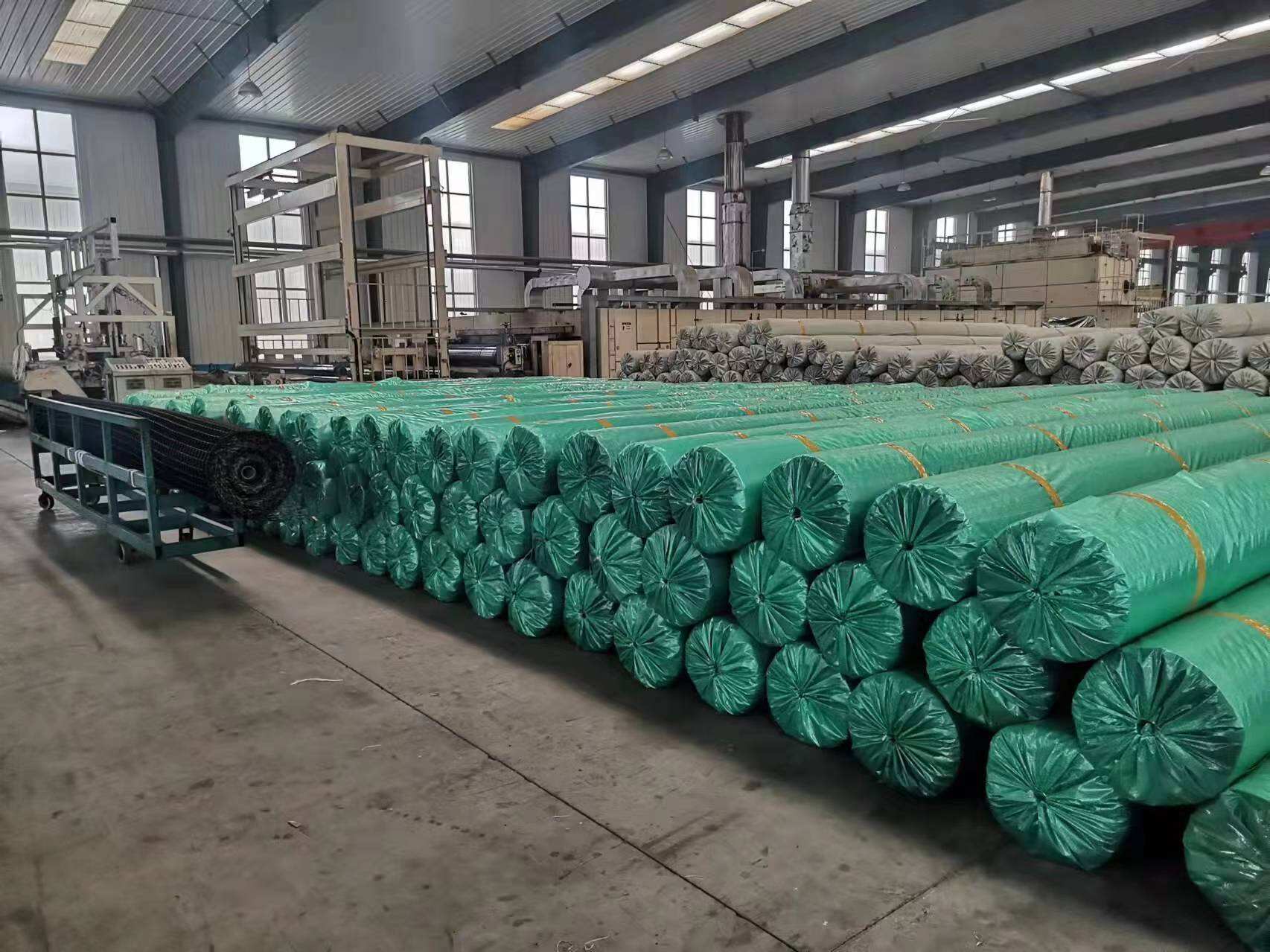
What Is Polyester Geogrid and How Does It Work?
Composition and Manufacturing Process
Polyester geogrid starts as strong polyester yarns that get aligned at the molecular level during manufacturing to boost their tensile strength. After this process, manufacturers coat them with protective materials like PVC or bitumen. The yarns then go through weaving or knitting processes to create a grid structure that maintains its shape and has evenly spaced openings throughout. What we end up with is something that bends but doesn't break easily, designed specifically to grip soil particles and gravel together while still letting water pass through. This unique mix of being both strong enough to hold things together and allowing proper drainage makes these grids really good for fixing problems in poor quality ground beneath roads, railways, and other major construction projects where stability matters most.
Mechanical Properties: Tensile Strength, Creep Resistance, and Durability
Polyester geogrid offers impressive tensile strength ranging from 20 to 200 kN/m while showing very little stretch when loaded, usually staying below 12% elongation before breaking. This makes it great for reinforcing areas where stress is really high. The material maintains its shape over time thanks to its low creep characteristics, with less than 2% deformation even after sitting under 60% of maximum load for 10,000 straight hours. That kind of stability matters a lot for things like retaining walls and embankments that need to hold up permanently. Polyester also stands up well against rotting organisms, works fine across extreme pH levels from 2 to 13, and handles sun exposure without deteriorating. Tests show polyester lasts about three times longer than polypropylene materials in accelerated aging conditions. All these qualities mean projects last longer and save around 30% on maintenance expenses throughout their lifespan compared to regular non-reinforced alternatives.
Key Applications of Polyester Geogrid in Infrastructure Projects
Road and Pavement Reinforcement
When placed between different layers of road surfaces, polyester geogrid acts kind of like a stretched fabric that spreads out the pressure from vehicles over softer ground underneath. What this does is reduce problems like deep tire tracks, cracks forming, and uneven sinking of the road surface. Studies show roads with this reinforcement can last almost twice as long as those without it according to research published by the Transportation Research Board back in 2023. The material holds up well under stress because of its strong connections at the grid points and ability to handle temperature changes. That's why engineers often choose it for busy roads, airport landing strips, and factory floors where regular paving materials just don't stand up to constant heavy use and changing weather conditions.
Retaining Walls and Slope Stabilization
Polyester geogrid works wonders in retaining walls and steep slopes by locking into granular backfill material through those special grid openings. What happens is that this creates a stronger soil matrix able to hold up against sideways pressure from the earth without collapsing or warping too much. The end result? Engineers often find they can build thinner walls by around 30 to 40 percent, which makes a big difference in cost. Slope stability improves dramatically too, especially where landslides are common. A recent study published in Geotechnical Engineering Journal backs this up. Plus, since polyester doesn't break down when exposed to sunlight or decompose over time, these materials perform reliably even in harsh conditions like coastal areas needing protection, at the base of bridges, and along highways where cuts have been made through hillsides.
Railway Substructure and Embankment Support
When laying tracks, railway engineers often turn to polyester geogrid as their go-to solution for stabilizing ballast and subgrade materials underneath those track slabs and sleepers. What makes this material so effective? Well, it basically keeps those ballast particles in check and stops them from moving around vertically too much. This helps maintain proper track geometry even after all those trains pass by day after day, which is super important for both high speed lines and heavy freight routes. For sections built on soft ground, we've noticed that the geogrid doesn't stretch out over time either, so there's less chance of the whole thing settling down or getting misaligned later on. Some recent tests conducted by the Railway Technical Research Institute back in 2023 actually found that tracks using this reinforcement needed maintenance only about 40% as often as regular ones. Makes sense why rail operators keep coming back to it when they need something that lasts and performs just right.
Polyester Geogrid vs. Alternatives: Comparing Materials for Long-Term Performance
Polyester vs. Polypropylene and Polyethylene Geogrids
When it comes to critical infrastructure projects, polyester geogrid simply outperforms both polypropylene and polyethylene options mechanically speaking. Sure, polypropylene might look cheaper at first glance, but polyester delivers about 30 to 50 percent greater tensile strength and stands up much better to long term stress. According to some recent studies from Ponemon back in 2023, polyester only loses around 30% of its strength over time while polypropylene drops down to about half that same measure when constantly loaded. Polyethylene has its advantages too since it doesn't react chemically with surrounding materials, but honestly it just isn't strong enough for those really demanding applications where structural integrity matters most. What makes polyester truly special is its woven design which actually grips the soil better and stays flexible even when temperatures swing dramatically between minus 40 degrees Celsius all the way up to 120 degrees Celsius.
| Property | Polyester Geogrid | Polypropylene Geogrid | Polyethylene Geogrid |
|---|---|---|---|
| Tensile Strength (kN/m) | 30–100 | 20–60 | 15–50 |
| Creep Resistance | Excellent | Moderate | Poor |
| Operating Temp Range | –40°C to 120°C | –20°C to 80°C | –30°C to 60°C |
Why Polyester Excels in High-Load and Critical Infrastructure Applications
When we're talking about projects where performance needs to last for decades, polyester really shines. Think about things like retaining walls taller than 10 meters, those tricky bridge approach embankments, or the foundations under heavy haul railways. Polyester has this great combination of molecular stability and dimensional consistency that makes all the difference. The material stretches very little, less than 12%, so it helps prevent settling issues in granular fill materials. And here's something interesting: when properly stabilized against UV exposure, polyester keeps at least 95% of its original strength even after half a century on site according to ASTM D4355 standards. Compare that to polypropylene, which tends to break down quickly in the alkaline conditions often found near concrete structures. Polyester just stays put chemically speaking. For applications where loads are particularly heavy, switching to polyester can cut maintenance costs over time by roughly 40% compared to other polyolefin options. That kind of savings makes polyester a smart choice for infrastructure where failure isn't an option.
How to Select the Right Polyester Geogrid for Your Project
Critical Specification Parameters: Junction Strength, Aperture Size, and Modulus
When choosing the right polyester geogrid, there are really three main factors that work together. First up is junction strength. This basically means how well the nodes hold together when pressure is applied. For important structures, we need this strength to be at least 25 kN/m so the grid doesn't slip against the soil. Next comes aperture size. Most projects require something between 30 and 50 mm, especially where conditions are tough. But here's the thing: the holes need to be about twice as big as the largest soil particles present. That creates better mechanical locking and keeps everything contained laterally. Finally there's tensile modulus measured at 2% strain. This tells us how good the material is at spreading out loads evenly across its surface. Soft soils or areas prone to earthquakes generally need a minimum of 1,200 kN/m to keep settlement differences within acceptable limits. Getting these basics right makes all the difference in performance over time.
| Parameter | Low-Risk Projects | Critical Infrastructure | Performance Impact |
|---|---|---|---|
| Junction Strength | ≥ 15 kN/m | ≥ 25 kN/m | Prevents grid-soil separation |
| Aperture Size | 25–35 mm | 30–50 mm | Maximizes particle confinement |
| Modulus (at 2% strain) | 500 kN/m | 1,200 kN/m+ | Reduces differential settlement |
Standards Compliance and Certification Requirements (ASTM D7747, ISO 10319)
Meeting ASTM D7747 and ISO 10319 standards matters a lot when it comes to getting reliable results over time. What these standards actually ask for? They want third party checks on how materials hold up under stress. Specifically looking at whether there's less than 10% stretching after 10 thousand hours while carrying about 40% of what they can handle at maximum. Plus there's testing for UV resistance too, making sure strength doesn't drop more than 20% after around 1500 hours in accelerated conditions. When something gets certified, it should come with actual test reports that show proper carbon black levels (at least 2% needed for UV protection), complete data on how it handles long term stress, and independent confirmation of how well connections work together. Don't settle for marketing materials alone. Ask manufacturers straight out for their documentation so you know what you're really getting.
FAQ
What is a polyester geogrid used for?
Polyester geogrids are primarily used for stabilizing and reinforcing soil in construction projects, such as roads, railways, retaining walls, and slopes. They ensure improved structural integrity and longevity.
How is a polyester geogrid different from other geogrid types?
Compared to polypropylene and polyethylene geogrids, polyester geogrids offer higher tensile strength, better creep resistance, and wider operating temperature ranges, making them suitable for demanding infrastructure projects.
What are the key mechanical properties of polyester geogrid?
The key mechanical properties include tensile strength ranging from 20 to 200 kN/m, low creep characteristics with less than 2% deformation under prolonged load, and high durability against environmental conditions.