
 EN
EN
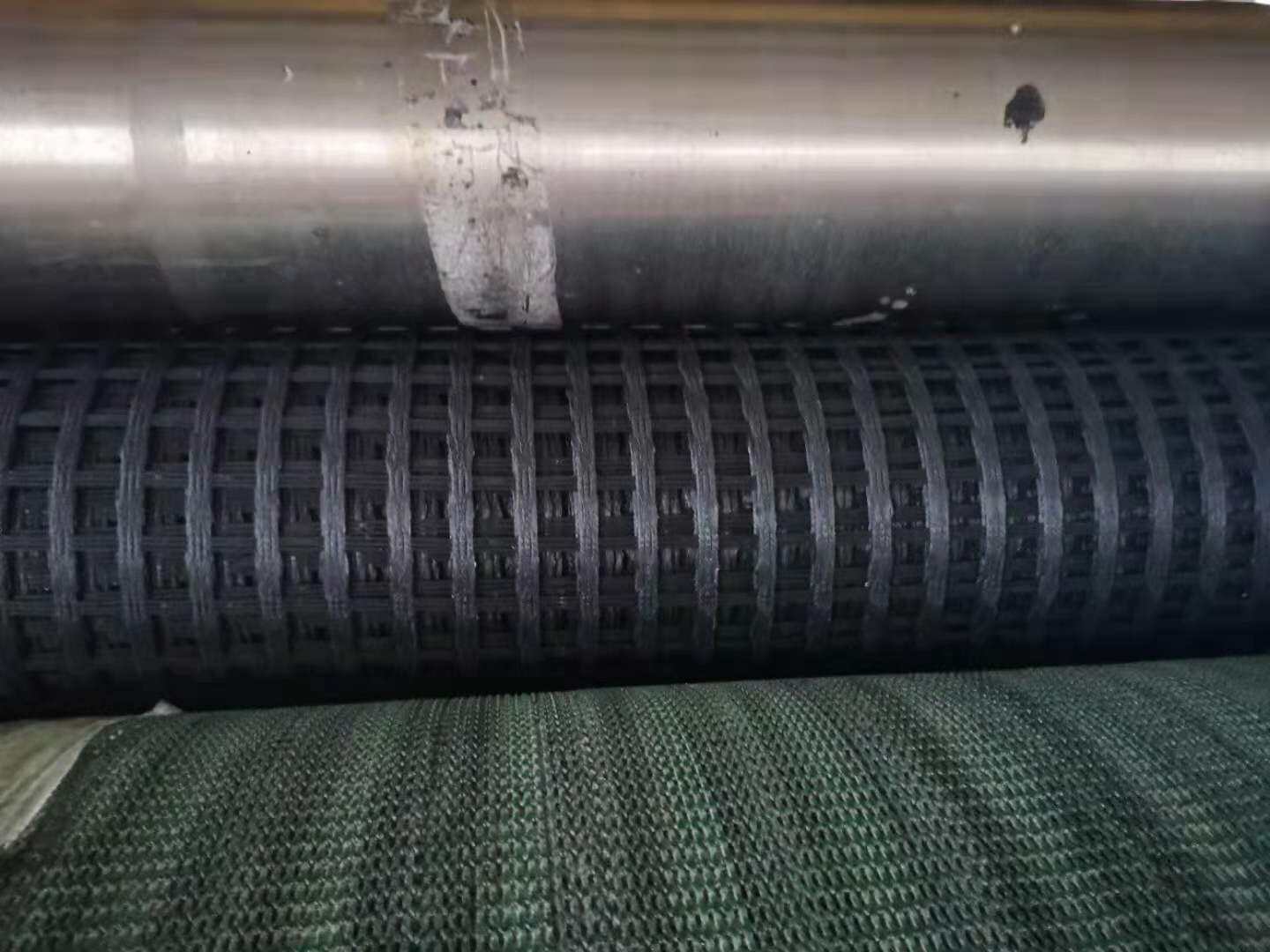
How Geogrid Retaining Walls Respond to Seismic Loading
Amplified lateral deformations and strain localization in geogrid layers during strong shaking
When earthquakes hit, geogrid retaining walls experience lateral movements about three times higher than what they would see under normal static conditions. The real problem happens during intense shaking when strain builds up at those critical connection points between the geogrid layers and the facing units. These areas end up absorbing roughly 60 to 75 percent of all the deformation energy. What causes this concentration of strain? Basically, there's a mismatch in how much different parts of the wall move during quake events. The polymer grids tend to stretch out progressively over time, particularly noticeable in the upper sections of walls where the shaking forces are strongest. Actual field data shows that deformation tends to follow specific shear patterns that spread out from these connection zones. Proper placement of reinforcements makes all the difference here, helping spread out the tension forces across the structure rather than letting them concentrate in one spot that could lead to catastrophic failure.
Dynamic soil–geogrid interaction as the governing mechanism for stability under cyclic loads
How well geogrid retaining walls withstand earthquakes really hinges on what happens between the soil and the geogrid during those repetitive load cycles. When seismic waves move through the fill behind these walls, the friction where the geosynthetic meets the soil actually helps dissipate energy. This happens because particles get locked together in the grid openings, stress gets transferred as the soil is confined, and waves bounce off different materials. The result? These reinforced walls experience up to 35% less peak pressure than regular ones without any reinforcement. Getting the best out of these systems means matching grid stiffness to soil type. Stiffer grids work better for sticky clay soils since they resist being pulled out, whereas softer grids handle sandy soils that tend to shift around more naturally. As we add more layers of reinforcement, the system becomes better at damping vibrations too, turning harmful earthquake energy into heat through all that constant movement between soil and grid.
Validating Performance: Field Evidence and Physical Modeling
2016 Kaikōura earthquake case study: Intact geogrid retaining wall performance with <50 mm top displacement
The big 7.8 Kaikōura quake back in 2016 gave us some valuable real world evidence about how these structures hold up during earthquakes. We looked at geogrid retaining walls that had been instrumented for monitoring, and found they could handle ground accelerations over 0.6g. Despite this intense shaking, the walls kept their structural integrity pretty well. The tops only moved less than 50 mm, which is considered good enough by most standards when it comes to earthquake resistance. What we saw basically proves that when geogrid systems are designed right, they spread out those inertial forces throughout the soil behind them. These systems stand up to the violent shaking near fault lines without collapsing completely, which is exactly what engineers want to see in seismic zones.
Shaking table test insights: Scale-dependent failure modes and frequency-sensitive geogrid tensile demand
Results from shaking table experiments point to several important observations about how structures behave during earthquakes. One major finding is that scale effects play a big role in how failures happen. When looking at 1g models, they tend to miss the mark on predicting actual deformation levels compared to centrifuge tests, underestimating by around 18 to 25 percent. Another interesting discovery relates to geogrids - their tension demands peak right around the 0.5 to 5 Hz frequency range, which actually aligns well with the natural resonance patterns seen in common granular backfill materials. The testing process also showed something else worth noting: when subjected to repeated loading cycles rather than just static loads, there was approximately 40 to 60 percent more localized strain observed at connection points between different structural components. Taken together, all these results highlight why proper seismic designs need to specifically account for dynamic interactions between soils and structures if we want to prevent gradual failures over time.
Advancing Predictive Accuracy: Numerical Modeling Best Practices
Hybrid finite element modeling with nonlinear soil constitutive laws and realistic interface elements
Hybrid finite element modeling brings together complex nonlinear soil behavior rules like hyperbolic or elastoplastic models with detailed interface components that match real world soil-geogrid interactions. The method picks up on important earthquake effects that standard linear models miss completely. Think about how soils lose stiffness under pressure or resist sliding after repeated movements. When we simulate these dynamic interactions between soil and structures properly, displacement predictions become much better - around 30 to 40 percent improvement over traditional approaches according to field tests. What makes this technique really valuable is its ability to spot where strains concentrate within geogrid layers, which tends to be the main problem area during quakes. This lets engineers place reinforcements exactly where needed instead of just throwing extra material everywhere for safety's sake, resulting in safer yet cost effective designs for areas prone to seismic activity.
Design Strategies to Enhance Seismic Resilience of Geogrid Retaining Walls
Optimizing geogrid spacing and embedment length to reduce peak dynamic earth pressure by 22–35%
When engineers optimize geogrid spacing and embedment length past what standard designs call for, they see significant improvements in how structures handle earthquakes. By making the vertical spacing tighter between geogrid layers, the forces from shaking get spread out better throughout the reinforced area. This helps prevent those annoying stress concentrations at the points where panels connect. Getting more embedment depth also makes a big difference in resisting repeated pulling forces during quakes, especially important for walls filled with granular materials that tend to expand when shaken. Lab tests using centrifuges show these optimizations can cut down on maximum earth pressures during shaking events by somewhere around 22 to 35 percent. That reduction means less damage overall and fewer problems with walls moving permanently after an earthquake hits. Putting all this into practice does require some serious modeling work tailored specifically to each site. Engineers need to consider local earthquake risks, what kind of material fills the wall space, and exactly how strong those geogrids are going to be in real world conditions before finalizing designs.
FAQ
What are geogrid retaining walls?
Geogrid retaining walls are structures reinforced with grid-like synthetic materials designed to stabilize soil and withstand forces such as those caused by earthquakes.
How do geogrid retaining walls perform during an earthquake?
These walls experience lateral movements and absorb significant deformation energy, making them highly resilient during seismic activities when designed properly.
What is the role of soil-geogrid interaction during earthquakes?
The interaction helps dissipate seismic energy, reducing peak pressure on the walls by facilitating friction between the geogrid and soil.
What design strategies enhance the seismic resilience of these walls?
Optimizing geogrid spacing, embedment length, and using hybrid modeling practices can significantly improve seismic performance by spreading out tension forces and reducing peak earth pressures.