
 EN
EN
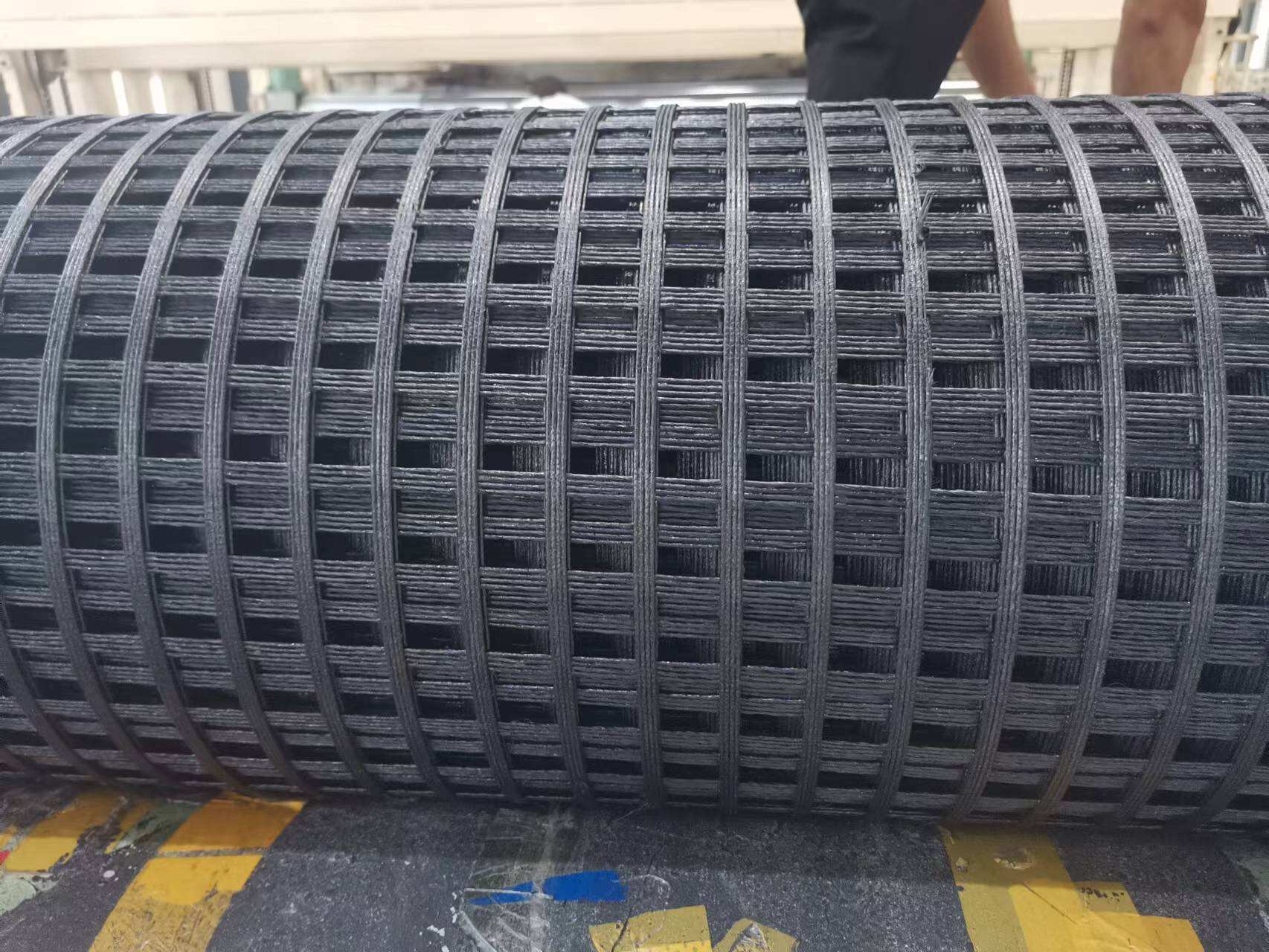
Understanding Geogrids and Their Role in Landfill Stability
What Are Geogrids and How Do They Function in MSE Berms?
Geogrids consist of either polymer or steel grids that help strengthen soil when building landfills. When these grids are installed in what's called Mechanically Stabilized Earth (MSE) berms, they work by locking into place with individual soil particles. What happens next is pretty interesting - this creates something like a composite material that actually boosts tensile strength while spreading out pressure across different areas. The way these grids interact mechanically stops soil from moving sideways, which keeps slopes stable even as layer upon layer of waste gets added on top. This kind of reinforcement makes all the difference in preventing landslides and ensuring the whole structure remains intact over time.
The Role of Soil Reinforcement Using Geogrids in Waste Containment Systems
Geogrids help stabilize waste containment systems by boosting their ability to resist shearing forces and preventing unwanted deformation. Landfill operators often incorporate these grids into slope construction, which research shows can boost load bearing capacity around 40 percent when compared against regular soil without reinforcement according to studies published by the Environmental Protection Agency back in 2019. The special grid pattern actually locks soil particles together pretty effectively, which cuts down on waste movement through the site. This is important because it helps keep the protective liners intact even when heavy loads are placed on them, something that happens quite frequently at large disposal facilities.
Linking Load Distribution and Stress Management to Early Design Phases
Adding geogrids during the initial design stages helps spread loads better across structures and saves money over time. According to research from 2022, when engineers used geogrids to reinforce embankments, they needed 30% less imported fill material for construction projects. This cut down on material expenses significantly while still being able to support steep slopes at angles reaching nearly 70 degrees. When designers model stresses early on, the reinforcement works much better because it matches what's actually happening with water movement and soil stability at each specific location. The result? Structures that last longer and perform reliably under various conditions without constant maintenance headaches.
Engineering Principles Behind Slope Stability and Geogrid Performance
Principles of Slope Stability in Landfill Infrastructure
The stability of slopes basically comes down to finding the right balance between gravity pulling things down and the soil holding them up. Important considerations here are things like shear strength, how much friction exists within the material itself, and what's going on with water pressure inside those pores, particularly when dealing with areas soaked by leachate. When we're talking about really steep hillsides over around 30 degrees, engineers need to be extra careful about their calculations to stop sections from sliding down. A recent look at industry data from last year showed something pretty telling: nearly three out of every four problems with landfill slopes actually trace back to not properly accounting for how pliable or flexible the underlying materials were right from the start of the project planning phase.
How Geogrids Enhance Shear Strength in Steep Slopes
Geogrids improve slope performance through two primary mechanisms:
- Mechanical interlock: Soil particles engage with grid apertures, increasing cohesion by 35–50% over unreinforced soil
- Tension membrane effect: Under load, geogrids redistribute stress across the slope, reducing peak strain concentrations by up to 40%
Industry research shows that optimized geogrid placement increases bearing capacity by 30–40% in slopes exceeding 1:1.5 gradients when combined with proper compaction.
Evaluating Failure Risks in Unreinforced vs. Geogrid-Reinforced Embankments
| Factor | Unreinforced Slope | Geogrid-Reinforced Slope |
|---|---|---|
| Shear strength (kPa) | 15-25 | 40-60 |
| Maintenance frequency | Annual | Biannual (5-year cycle) |
| Failure rate (10 yrs) | 38% | 6% |
Reinforced systems also perform significantly better under seismic loading, exhibiting 80% less lateral displacement during simulated 0.4g ground acceleration tests (ASCE 2022).
Avoiding Over-Reliance on Geogrids Without Proper Geotechnical Assessment
Geogrids have their advantages, but they won't fix problems caused by bad site assessment work. Last year alone, nearly a quarter (23%) of landfill projects ended up with disappointing results because contractors used one-size-fits-all reinforcement strategies instead of looking at actual site conditions first. The bottom line? Proper geotechnical surveys matter a lot. These surveys need to check things like how soils behave under stress, how water moves through them, and what kind of settling might happen with different types of waste materials. Landfill operators who skip this important groundwork tend to see their projects fail at twice the rate as those who take the time to do proper assessments over a five year period.
Vertical Expansion Challenges and Geogrid-Based Structural Solutions
The Growing Need for Vertical Landfill Expansion in Urban Areas
Urbanization and land scarcity have driven a 72% increase in vertical landfill expansions since 2020. Cities like Mumbai and Los Angeles now prioritize upward growth to maximize airspace and comply with zoning laws, preserving surrounding ecosystems and avoiding horizontal sprawl.
Challenges in Vertical Expansion Over Existing Embankments
Expanding vertically poses three major challenges:
- Slope Compatibility: Existing embankments often lack documented design data, complicating load-bearing assessments
- Interface Friction: Achieving effective bonding between old and new soil layers requires targeted reinforcement
- Differential Settlement: Varying decomposition rates across waste sections create uneven settling risks
If unaddressed, these issues can trigger slope failures, with remediation costs exceeding $740k (Ponemon 2023).
Case Study: Successful Geogrid Integration in a 30-Foot Height Extension
A landfill in Gujarat, India, achieved safe vertical expansion using MSE berms reinforced with high-tenacity polyester geogrids installed in 12-meter increments. Results included:
| Parameter | Unreinforced Design | Geogrid Solution | Improvement |
|---|---|---|---|
| Max Slope Angle | 34° | 61° | 79% steeper |
| Construction Time | 14 weeks | 9 weeks | 35% faster |
| Long-Term Settlement | 8.2" over 5 years | 1.3" over 5 years | 84% reduction |
The solution enabled compaction densities up to 98%. Post-installation monitoring confirmed no measurable movement, even after monsoon seasons, validating the engineered approach.
Site-Specific Factors Influencing Geogrid Selection in Landfill Projects
Landfill geogrid selection must be tailored to site conditions—uniform approaches contribute to 78% of slope instability incidents (Geosynthetics International, 2022). Accurate assessment ensures compatibility between reinforcement properties and environmental demands.
Key Parameters in Site Condition Assessment for Geogrid Use
Effective design begins with evaluating soil shear strength (typically 25–45 kN/m² in landfill substrates) and slope gradients exceeding 2:1. Waste composition determines chemical resistance requirements; methanogenic environments demand geogrids with ≥2% elongation under sustained 500 kPa loads. Compactor traffic (often >35-ton axle weights) sets minimum tensile strength thresholds.
Soil Stability and Reinforcement Requirements Based on Substrate Type
| Soil Type | Key Challenges | Geogrid Specifications | Performance Benefit |
|---|---|---|---|
| Granular (Sand) | Particle migration | Aperture size ≤ D₃₀ soil particles | 30% increase in interfacial friction (2023 ASCE Report) |
| Cohesive (Clay) | Lateral spreading | High tensile strength (≥80 kN/m) | 45% reduction in differential settlement |
| Organic | Compressibility | Hybrid geotextile-geogrid systems | 2.3x improvement in bearing capacity |
Integrating Hydrological and Seismic Data into Geogrid Selection
Hydraulic conductivity (1×10⁻⁵ to 1×10⁻³ cm/s) guides the choice of drainage-compatible geogrids. In seismic zones with ≥0.3g PGA, biaxial geogrids with 120% higher dynamic load capacity have proven effective. The 2023 Geo-Institute report indicates that integrating hydrological data reduces leachate breakthrough risk by 62% over a 25-year service life.
Innovations and Best Practices in Geogrid Materials for Long-Term Performance
Comparative Analysis of Polymer-Based vs. Steel-Reinforced Geogrids
Choosing the appropriate geogrid material makes all the difference in construction projects. Polymer geogrids tend to be about 25 percent more flexible compared to their steel counterparts, which explains why engineers often prefer them at locations where ground movement might cause problems with settling differences according to recent research from material scientists in 2023. Steel does have its advantages though - it stands up better under tension when things are stable, offering roughly 18% more strength. But what many overlook is how quickly steel breaks down in harsh chemical environments like those found in landfills. Some studies indicate steel can rust away 65% faster than polymer options exposed to aggressive leachates. Looking at market data over the past few years reveals something interesting too. Demand for these special polymer composites that resist corrosion has shot up around three times since early 2020, particularly noticeable along coastlines where landfills face constant saltwater exposure challenges.
Trend: Adoption of High-Strength, Corrosion-Resistant Geogrids in Aggressive Environments
To combat premature reinforcement failure, engineers increasingly specify chemically inert materials. New polyethylene formulations retain 90% of their strength after 50-year aging simulations—40 percentage points better than traditional polyester. A 2025 market analysis reveals that 78% of engineers now choose UV-stabilized geogrids for exposed slopes, cutting replacement frequency by 3–5 times.
Lifecycle Cost Benefits of Premium Geogrids in Long-Term Operations
Though premium geogrids cost 15–20% more upfront, they reduce lifecycle expenses by 50–70% through lower maintenance and longer service intervals. Field data shows high-modulus geogrids save $42 per linear foot annually in embankment repairs. Additionally, they allow 30% steeper slopes than conventional options, significantly increasing usable airspace in space-constrained facilities.
Frequently Asked Questions
What are geogrids used for in landfill construction?
Geogrids are used to reinforce soil, providing stability and preventing landslides in landfill constructions by enhancing the soil's tensile strength and spreading pressure evenly.
How do geogrids improve slope stability?
Geogrids enhance slope stability through mechanical interlock and tension membrane effects, which increase cohesion between soil particles and redistribute stress across slopes.
Why is geotechnical assessment crucial before using geogrids?
Proper geotechnical assessment ensures that geogrid solutions are tailored to specific site conditions, reducing the risk of slope failures and optimizing reinforcement strategies.
What challenges are faced in vertical landfill expansions?
Vertical landfill expansions face challenges like slope compatibility, effective bonding between layers, and differential settlements, which require tailored engineering solutions.
What are the advantages of polymer-based geogrids?
Polymer-based geogrids offer greater flexibility and resistance to corrosion compared to steel-reinforced grids, making them ideal for environments with aggressive leachates.
Table of Contents
- Understanding Geogrids and Their Role in Landfill Stability
- Engineering Principles Behind Slope Stability and Geogrid Performance
- Vertical Expansion Challenges and Geogrid-Based Structural Solutions
- Site-Specific Factors Influencing Geogrid Selection in Landfill Projects
- Innovations and Best Practices in Geogrid Materials for Long-Term Performance
- Frequently Asked Questions