
 EN
EN
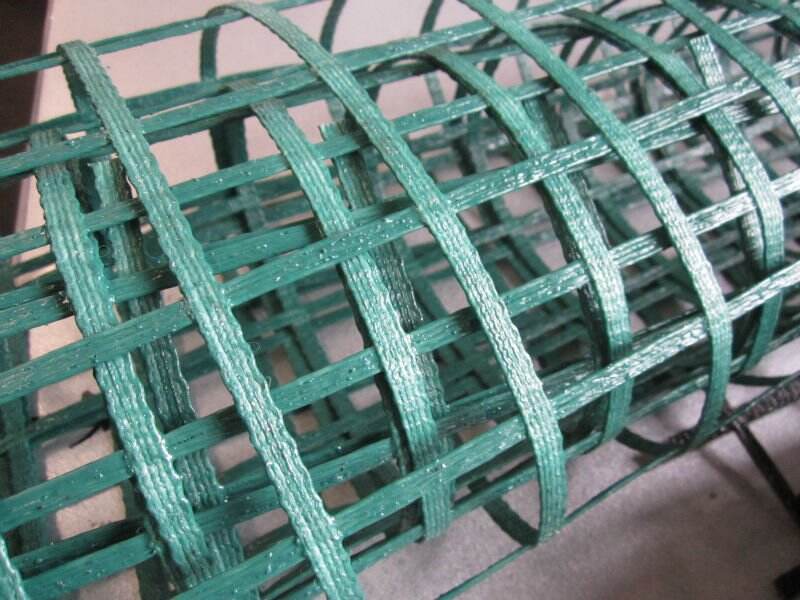
What Are Geo Grids and How Do They Work in Slope Stabilization?
Definition and Composition of Geo Grids
Geo grids consist of strong polymer materials, usually either polyethylene or polypropylene, shaped into those distinctive grid patterns we see so often. The size of the holes in these grids typically falls between about 20 to 40 millimeters. What makes them work so well is how the soil actually gets caught in these openings, creating this kind of mechanical bond that strengthens the whole system together. When it comes to different types, there's uniaxial geo grids which give most of their strength along one axis, perfect for holding back earth on really steep hillsides. Then we have biaxial versions that spread out the force across both directions, so they're great choices when building things like road embankments or those retaining walls that keep dirt from sliding away.
Mechanical Interlock and Tension Membrane Effect in Soil Reinforcement
Slope stabilization with geo grids relies on two key mechanisms:
- Mechanical Interlock: Soil particles wedge into the grid’s apertures, transferring shear stresses to the geo grid structure. A 2019 FHWA study found this interlock increases slope stability by up to 60% compared to unreinforced soil.
- Tension Membrane Effect: Under load, the geo grid stretches elastically, redistributing lateral forces and limiting soil movement. ASTM testing confirms this effect reduces lateral displacement by 45–70% in reinforced slopes.
Role of Geo Grids in Civil Engineering and Environmental Conservation
Geo grids play a vital role in civil infrastructure projects, stopping slope failures at highway embankments and mine site boundaries. Construction companies report savings between 20 to 35 percent on these projects according to NCMA research from 2021. When it comes to environmental benefits, these grids help hold back erosion by keeping plants rooted and holding soil together where it counts most. Along coastlines, PET based geo grids stand up against saltwater damage for half a century or more. They last roughly 40% longer than old fashioned concrete walls when tested over time, which means fewer replacements and lower maintenance headaches for engineers working on shoreline defenses.
Core Principles of Geo Grid Reinforcement in Slope Protection
Load Transfer Mechanisms in Geogrid-Reinforced Soil
Geo grids help stabilize slopes by spreading out those pesky shear stresses throughout the soil. When gravity pulls down on a slope or water builds up pressure, those strong polymer ribs in the geo grid take on the sideways forces and move them through the reinforced area. According to research published in the Geotechnical Engineering Journal last year, this reinforcement can cut down on uneven settling by as much as 60% when compared to regular slopes without any reinforcement. What starts as just loose dirt gets transformed into something much stronger and able to carry weight properly.
Interlocking Mechanism Between Geo Grids and Soil Particles
The open structure of geo grids allows mechanical interlock with soil grains sized between 0.2–25 mm. Angular particles lock into the grid ribs under stress, increasing frictional resistance. Field studies show this interaction improves slope stability by 30–45% in clay-rich soils, preventing surface slippage without compromising drainage.
Tensile Strength, Durability, and Resistance to Environmental Degradation
PET geo grids today can handle tensile strengths above 80 kN per meter and they hold up pretty well against UV light, extreme pH levels between 2 and 13, plus temperature ranges going all the way from minus 50 degrees Celsius right up to 120 degrees. When we run accelerated aging tests on these materials, the results show something interesting: less than 12 percent strength degradation happens even after 75 years sitting in damp conditions. And if we compare biaxial versus uniaxial grid designs, there's actually a performance gap of around 22 percent when subjected to repeated load cycles. This means that biaxial options maintain at least 90 percent of their original design strength many decades after being put into place, which is pretty impressive for any construction material.
Erosion Control and Long-Term Performance of Geo Grids in Diverse Climates
Mitigating Soil Erosion on Slopes Using Geo Grids and Geotextiles
Geo grids help stop soil from moving around because they work like extra strong reinforcement. Pair these with geotextiles and suddenly we get two benefits at once. The grid part locks everything together structurally, whereas the fabric component keeps small particles filtered out while controlling water pressure issues. Some research published in Geosynthetics International back in 2023 showed pretty impressive results too. Their tests with PET geo grids cut down on erosion between 62 to almost 80 percent over the course of twelve months when exposed to simulated rain conditions. What makes uniaxial geo grids special is their honeycomb shape which actually helps water drain straight down through the ground. This reduces the pressure buildup inside the soil pores, making landslides far less likely to happen in real world situations.
Comparative Effectiveness of Geosynthetics in Slope Stabilization
Geo grids beat out regular woven geotextiles when it comes to holding up under tension. The numbers tell the story pretty clearly too: geo grids can handle over 40 kN/m compared to just 15 kN/m for the older material. Plus they offer about 35% better resistance against sliding forces because of their 3D structure according to the Geotechnical Reinforcement Council from last year. Now don't get me wrong, geotextiles still have their place especially when dealing with silt and clay soils where filtration matters most. But when engineers mix both materials together in what we call hybrid systems, something interesting happens. Field tests show these combinations cut down on surface erosion by nearly 90% even in tough spots along coastlines where waves constantly attack the ground.
Long-Term Erosion Control Using PET Geo Grids in Humid and Arid Environments
Polyethylene terephthalate (PET) geo grids still hold about 95% of their original strength even after sitting out for ten whole years in those harsh coastal spots where UV exposure is intense, according to ASTM D7238 standards. Take Southeast Asia for instance, where humidity levels are through the roof. A five year long study there found that slope failures related to erosion dropped by around 85% once these grids were put in place. And what about places with extreme heat? These same grids handle thermal expansion pretty well too. Look at Arizona highways - embankments only deformed between 2 and 4% even when temperatures swung wildly up to 50 degrees Celsius. The latest versions with antioxidant additives in the polymer mix are pushing service life past the 25 year mark, which is impressive considering how tough some environments can be on materials over time.
Real-World Applications: Case Studies in Civil and Environmental Infrastructure
Reinforced Steep Slopes in Highway Embankments
Geo grids have enabled stable highway embankments with gradients over 45°, previously unattainable with conventional methods. In Montana, geo grid-reinforced slopes reduced lateral soil movement by 72% during freeze-thaw cycles (Federal Highway Administration, 2023). This solution prevents costly rebuilds and maintains structural integrity under heavy traffic loads.
Geo Grid Use in Mining Site Slope Management
Open-pit mines use geo grids to stabilize overburden slopes up to 60 meters high. At a Chilean copper mine, PET geo grid layers reduced slope failures by 41%, saving approximately $12 million in potential downtime (Mining Engineering Journal, 2023). Their high tensile strength prevents cascading collapses in dynamically loaded waste rock piles.
Coastal Protection Projects Utilizing Geo Grid Systems
Revetments along coasts that are strengthened with geo grids have actually held up against some pretty fierce storms, including category 4 hurricanes, with no real structural issues reported. Take for instance a shoreline restoration effort in Louisiana where workers combined these grids with native plants. They saw erosion drop by around 58% each year according to figures from the recent WorldXO Geosynthetics Case Studies report from last year. What really stands out about this approach is how well it handles saltwater exposure, which means these structures work especially well in areas regularly hit by tides and waves.
Data Analysis: Reduction in Landslide Incidents After Geo Grid Installation
Global data from 427 geo grid-reinforced slopes show an 83% decrease in landslides over 10 years compared to unreinforced slopes (Geotechnical Safety Database, 2023). In monsoon-prone regions like Southeast Asia, failure rates dropped from 12.7% to 2.3% after installation, enabling safer development on vulnerable hillsides.
Best Practices for Geo Grid Installation and Integration
Step-by-Step Installation Process of Geo Grids on Slopes
Successful installation begins with site preparation: clearing vegetation, grading slopes to ≤45°, and compacting subgrade soil to ≥95% standard Proctor density (ASTM D698). Following industry-leading protocols, contractors implement eight critical steps:
- Align grids perpendicular to slope contours
- Overlap adjacent rolls by 12–24 inches
- Secure edges with U-shaped steel anchors every 3 feet
- Place initial 6–8 inch aggregate fill using tracked equipment
This structured approach improves soil interlock efficiency by 30% compared to non-standardized methods.
Common Mistakes and Quality Control in Field Deployment
A 2024 study attributes 62% of slope reinforcement failures to installation errors, primarily insufficient overlaps (resulting in 18% performance loss) and improper tensioning (reducing load capacity by 22%). Effective QA/QC measures mitigate these risks:
- Laser-guided alignment ensures angular deviation remains ≤2°
- Tension meters verify 1–3% prestress in each sheet
- Density testing confirms 90–95% compaction after every fill layer
Integrating Geo Grids with Vegetation and Erosion Control Blankets
Combining PET geo grids (≥40 kN/m tensile strength) with biodegradable erosion blankets enhances slope stability by 45% in simulated rainfall events (NRC 2023). The integrated system functions in phases:
- Geo grids deliver structural support for 10–15 years
- Vegetation establishes within two growing seasons, reducing surface erosion by 85%
- Mature root systems increase geo grid-soil bonding by 25%
Recent trials demonstrate this approach withstands 50-year storm events with less than 0.5 inches of soil displacement—45% better than geo grids alone.
Frequently Asked Questions
What are the primary materials used in geo grids?
Geo grids are primarily made from strong polymer materials such as polyethylene and polypropylene.
How do geo grids contribute to slope stabilization?
Geo grids work by mechanically interlocking with soil particles and distributing lateral forces, enhancing slope stability and preventing soil movement.
Are geo grids effective in different climatic conditions?
Yes, geo grids perform well in diverse climates, including humid, arid, and coastal environments, due to their strength, durability, and resistance to environmental degradation.
Can geo grids be integrated with other materials for enhanced effect?
Yes, integrating geo grids with geotextiles or vegetation can significantly improve erosion control and slope stabilization.
Table of Contents
- What Are Geo Grids and How Do They Work in Slope Stabilization?
- Core Principles of Geo Grid Reinforcement in Slope Protection
- Erosion Control and Long-Term Performance of Geo Grids in Diverse Climates
- Real-World Applications: Case Studies in Civil and Environmental Infrastructure
- Best Practices for Geo Grid Installation and Integration
- Frequently Asked Questions