
 EN
EN
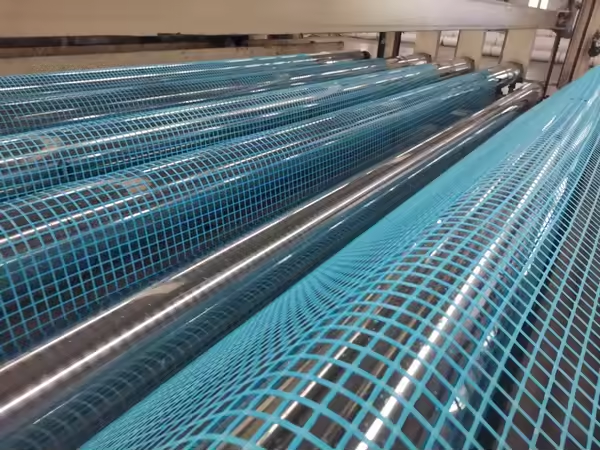
Understanding Geo Grids and Their Structural Function in Retaining Walls
What Is a Geogrid and How Does It Work in Soil Stabilization?
Geogrids are basically plastic grids made from polymers that help strengthen weak soil by adding tension where there was none before. When these grids get placed horizontally inside retaining walls, they lock into the surrounding dirt through their open design. The way they work is pretty clever actually - they spread out the sideways forces that normally push against the wall structures. Research in the field shows these grids can cut down on soil movement by somewhere around 40 percent when compared to walls without any reinforcement. What makes them stand out from old school concrete solutions is that they let contractors use lighter fill material behind the walls without compromising the overall strength of the construction.
The Role of Geogrids in Retaining Wall Construction: A Structural Overview
Geogrid layers in retaining wall systems work like horizontal anchors that extend from the wall face deep into the soil behind it. These grids create a kind of composite structure that helps resist those pesky shear forces we always worry about in earth retention projects. The tensile strength of these grids usually ranges somewhere between 20 and 120 kN per meter. This strength makes up for the fact that soil just isn't very good at handling tension forces on its own. As a result, walls reinforced this way can typically handle lateral loads that are two to three times greater than unreinforced ones. When installed at proper spacing intervals, geogrids basically turn what would otherwise be loose backfill material into something much more solid and stable. This prevents those annoying rotational failures that tend to happen quite often in walls that stand taller than about four feet high.
Geogrid-Soil Interaction: Mechanical Interlocking and Load Transfer
The effectiveness of geogrid systems hinges on two key mechanisms:
- Mechanical interlocking: Soil particles wedge into the grid apertures (usually 25–50 mm wide), creating friction-dependent resistance.
-
Load transfer: Vertical stresses from upper soil layers convert into horizontal tension within the geogrid, as demonstrated in pull-out resistance analyses.
This dual action reduces lateral earth pressure by 30–50% in cohesive soils and 50–70% in granular soils, making geogrids essential for slopes exceeding 45°.
Soil Reinforcement and Stability: How Geo Grids Enhance Retaining Wall Performance
How Geogrids Improve Soil Stability Through Mechanical Interlocking
Geogrids help keep soil stable by creating sort of a 3D support network within it. The grid has gaps where soil particles can actually get caught, which forms something like a stronger composite material that stands up better against sliding or shifting forces. When this happens, we see the soil's resistance to movement go up quite a bit—some studies suggest around 15% improvement in friction properties. That means less sideways movement overall and better spreading out of weight across areas that have been reinforced with these grids.
Pull-Out Resistance of Geogrids and Its Impact on Wall Performance
A geogrid's performance depends on its pull-out resistance, governed by surface friction between soil and polymer ribs, passive resistance from transverse bar engagement, and confinement pressure from overlying layers. High pull-out capacity reduces stress on retaining wall facings by 20–35% compared to unreinforced designs, enhancing long-term stability.
Soil Type and Stability Considerations for Retaining Walls with Geogrids
| Soil Type | Key Geogrid Adaptation | Cohesion Improvement |
|---|---|---|
| Sandy (non-cohesive) | Biaxial geogrids + 20% longer embedment | 30–40% |
| Clay (cohesive) | High-stiffness uniaxial geogrids | 10–15% |
Sandy soils benefit most from geogrid reinforcement due to their low natural cohesion. In clay-heavy soils, integrating proper drainage is critical to prevent pore pressure buildup that could compromise stability.
Case Study: Enhanced Cohesion in Sandy Soils Using Biaxial Geogrids
A 2024 coastal retaining wall project showed that biaxial geogrids increased load-bearing capacity by 32% in loose sandy backfill. The stabilization strategy used layered grids spaced at 16-inch intervals, resulting in less than 0.5 inches of settlement after 12 months—surpassing conventional concrete cantilever walls by 28% in cost-efficiency.
Design Factors Influencing Geo Grid Use: Height, Loads, and Spacing
When to Use Geogrid in Retaining Walls Based on Height Thresholds
When retaining walls get over 4 feet tall, geogrids start becoming really important because the sideways pressure from the soil just goes up dramatically at that point. According to the Federal Highway Administration guidelines from 2023, any wall above about 1.2 meters needs some kind of geogrid support to prevent problems like sliding or tipping over. For shorter walls below that mark, simple gravity walls might work fine most of the time. But once structures go beyond those heights, proper reinforcement becomes necessary if they're going to hold up properly when forces are applied against them during normal operation.
Selection of Geogrids Based on Tensile Strength and Wall Height
The height of a retaining wall plays a major role in figuring out what kind of geogrid strength is needed. Take a standard 6 foot wall built on sandy ground for instance most engineers would recommend going with biaxial grids that can handle at least 2,400 pounds per foot of tension force to hold back those sideways pressures. Recent research from the International Geosynthetics Society in their 2023 report showed something interesting too Walls taller than eight feet had about 34 percent less movement problems when they used these stronger polymer grids instead of the cheaper, weaker options available on the market today.
Strategy for Layer Spacing and Length Optimization Relative to Height
| Wall Height (ft) | Geogrid Spacing (in) | Geogrid Length (% of height) |
|---|---|---|
| 4–6 | 16–24 | 60–70% |
| 6–10 | 12–18 | 70–80% |
| 10+ | 8–12 | 80–100% |
This tiered approach balances structural performance with material efficiency. Closer spacing near the base addresses higher lateral pressures, while extended grid lengths enhance pullout resistance and overall stability.
How Surcharge Loads Influence Geogrid Placement and Design
When retaining walls need to handle extra weight from things like driveways or nearby buildings, the upper part of the wall needs more densely packed geogrid layers. The AASHTO LRFD specs mention that even a modest 10 kPa load can mean adding about 15 to 20 percent more geogrid reinforcement just to avoid problems with uneven settling over time. Most engineers will bump up to stronger materials when there's vehicle traffic nearby or construction happening close to the wall itself. This isn't just theory it's what actually works in practice based on decades of field observations and failures we've learned from.
Types of Geo Grid Materials and Selection Criteria for Retaining Walls
Uniaxial, Biaxial, and Triaxial Geogrids: Composition and Functional Differences
Uniaxial geogrids have those straight polymer ribs that give them around 200 to 400 kN/m of tensile strength in just one direction. They work really well on steep slopes and when building tall retaining walls. The biaxial ones are different though, they offer balanced strength across directions, typically between 40 and 100 kN/m. These are great for spreading loads out evenly in road bases and foundation soils where things need to hold together from multiple angles. Then there's triaxial geogrids which get their name from those triangular openings. They reinforce soil in all directions at once, and some studies show they can cut down on how much aggregate material is needed by about 30% in tricky terrains like mountainous areas or uneven ground.
Material Composition and Durability of Polymer-Based Geogrids
In the plastics market, high density polyethylene (HDPE) and polyester (PET) are the big players, lasting well over half a century when installed properly according to ASTM D6637 guidelines. For coastal areas where saltwater is a constant threat, engineers tend to go with special versions of polypropylene (PP) that hold up against corrosion even in harsh marine settings. When it comes to UV resistance, PET materials still have around 80% of their original strength after sitting out in the sun for about 500 hours straight. Meanwhile HDPE stands up pretty well to chemicals too, working reliably across most acidic to alkaline environments from pH 3 all the way up to pH 11 without breaking down.
Choosing the Right Geogrid Type Based on Site-Specific Demands
Key selection factors include:
- Soil type: Cohesive clay soils perform best with geogrids featuring 20 mm apertures for optimal interlock
- Load expectations: Walls facing surcharge loads >10 kPa should use geogrids with 150 kN/m tensile strength
- Height thresholds: Walls exceeding 6 ft (1.8 m) typically require multilayer reinforcement
Controversy Analysis: Long-Term Degradation vs. Design Life Expectancy
While accelerated aging tests indicate polymer geogrids may lose 15–25% strength over 50 years, field data show 94% of installations meet or exceed 75-year service life when properly encapsulated. PET geogrids in moderate climates exhibit less than 0.5% annual strength loss, though acidic soils (pH <4) accelerate hydrolysis by up to threefold.
Installation Best Practices and Long-Term Benefits of Geo Grid Reinforcement
Step-by-Step Guide to Installing Geogrids in Residential Retaining Walls
Start digging down to whatever depth was called for in the plans, then pack down the soil at the bottom really well. Lay out the geogrid material across the area, making sure it stretches all the way into where reinforcement is needed. When putting together multiple sections, leave about a foot or so between them and pin everything down with those landscape staples they sell at hardware stores. Fill back in with gravel or crushed stone in roughly six inch thick layers. Don't forget to tamp each layer down solid before adding another one on top. Getting the alignment right matters a lot because any gaps will weaken how weight gets transferred through the whole structure, which can lead to problems later on when things settle.
Common Installation Errors and How to Avoid Them
Insufficient overlap (<6 inches) disrupts tensile continuity, while uneven backfilling creates stress concentrations. Stretching geogrids during installation can reduce pull-out resistance by up to 40% (Geosynthetic Institute 2023). Always verify manufacturer specifications for soil compatibility and follow recommended installation tolerances.
Reducing Lateral Movement and Preventing Wall Failure with Geogrids
Geogrids counteract soil thrust by creating a cohesive mass through mechanical interlocking. Studies by geotechnical engineers show properly installed grids reduce lateral earth pressure by 55–70% compared to unreinforced walls. For walls exceeding 4 feet, alternating grid layers every 16–24 inches optimizes stress distribution and enhances resistance to failure.
Economic and Environmental Advantages of Geogrid-Reinforced Walls
When it comes to geogrid reinforced walls, they can cut down material expenses anywhere from 30 to 50 percent because there's simply no need for so much concrete or masonry work. The way these structures let water pass through means we don't have to install those complicated drainage systems anymore. Plus, when companies go for recycled polymer versions instead of traditional materials, their environmental impact drops dramatically - some studies show as much as a 62% reduction in carbon emissions. Another big plus is that installation requires about 40% less digging around the site. This makes a real difference in protecting nearby plant life and wildlife habitats, not to mention keeping construction noise and mess to a minimum for people living or working nearby.
FAQ Section
What is a geogrid and how does it contribute to soil stabilization?
Geogrids are polymer-based grids that provide tension in weak soils to enhance structural integrity. They are placed horizontally within retaining walls to disperse lateral forces and have been shown to reduce soil movement by up to 40%.
How do geogrids enhance the stability of retaining walls?
Geogrids act as horizontal anchors, converting potential lateral forces into tensile strength that soil lacks. This reinforcement allows walls to withstand larger lateral loads, improving structural stability and preventing rotational failures.
What factors should be considered when choosing geogrids for a retaining wall?
Factors to consider include soil type, expected loads, and wall height. For example, cohesive clay soils benefit from geogrids with 20 mm apertures, and walls facing high surcharge loads (>10 kPa) require geogrids with 150 kN/m tensile strength.
What are the installation best practices for geogrids in retaining walls?
Proper installation involves thorough soil compaction, correct alignment and spacing of the geogrid layers, ensuring adequate overlap, and preventing geogrid stretching to maintain tensile continuity. Ensuring compatibility with soil specifications is crucial for optimal performance.
Table of Contents
- Understanding Geo Grids and Their Structural Function in Retaining Walls
- Soil Reinforcement and Stability: How Geo Grids Enhance Retaining Wall Performance
- Design Factors Influencing Geo Grid Use: Height, Loads, and Spacing
- Types of Geo Grid Materials and Selection Criteria for Retaining Walls
- Installation Best Practices and Long-Term Benefits of Geo Grid Reinforcement
- FAQ Section