
 EN
EN
Understanding Soil Strength Challenges in Soft Ground
Characteristics of Weak and Soft Soils Affecting Load-Bearing Capacity
Soils that are soft, like clay and organic materials, tend to be very squishy and not very strong when it comes to holding weight. This makes them pretty unreliable for building foundations. Take soft clay for example these types can have compression indexes over 1.0, and sometimes even hit around 10 in wet conditions according to research published in Nature about problems with deep excavations. When looking at how much force they can take before failing, many of these soils show undrained shear strengths below 30 kPa when there's lots of moisture around. That kind of weakness leads to real trouble with foundations sliding or settling unevenly over time.
Common Geotechnical Failures Due to Low Soil Strength
When soil isn't strong enough, retaining walls tend to shift sideways, buildings settle unevenly, and whole embankments can collapse. Take structures sitting on poorly compacted silt or loose sand for instance they often lose between 15 to 25 percent of their ability to hold weight when going through repeated wetting and drying. This kind of weakening makes everything much less stable over time. According to various industry studies, around two thirds of all foundation problems in soft ground happen because engineers didn't properly account for how moisture drains strength right out of the soil. The lesson here is clear proper soil preparation isn't optional it's essential for any construction project hoping to stand the test of time.
Impact of Moisture Variation on Expansive Soils and Stability
When expansive clays get soaked, they can actually expand by around 10%, creating foundation pressures that go beyond 500 kilopascals. On the flip side, during long dry periods these same soils shrink and crack, sometimes forming gaps as deep as 5 centimeters in the ground below. These cracks seriously weaken what's underneath. For places where rain comes and goes throughout the year, this back and forth expansion/shrinkage cycle accounts for roughly 40 percent of all road sinking problems reported. What's worse, roads built directly on soil that hasn't been treated end up costing twice as much to maintain over time because of these constant shifts in the earth beneath them.
How Geogrid Reinforcement Enhances Soil Strength
Geogrid reinforcement transforms weak soils into composite systems with improved load-bearing capacity through three mechanisms: mechanical interlocking, tensile reinforcement, and lateral restraint.
Mechanisms of Soil-Geogrid Interaction and Interlocking Mechanism
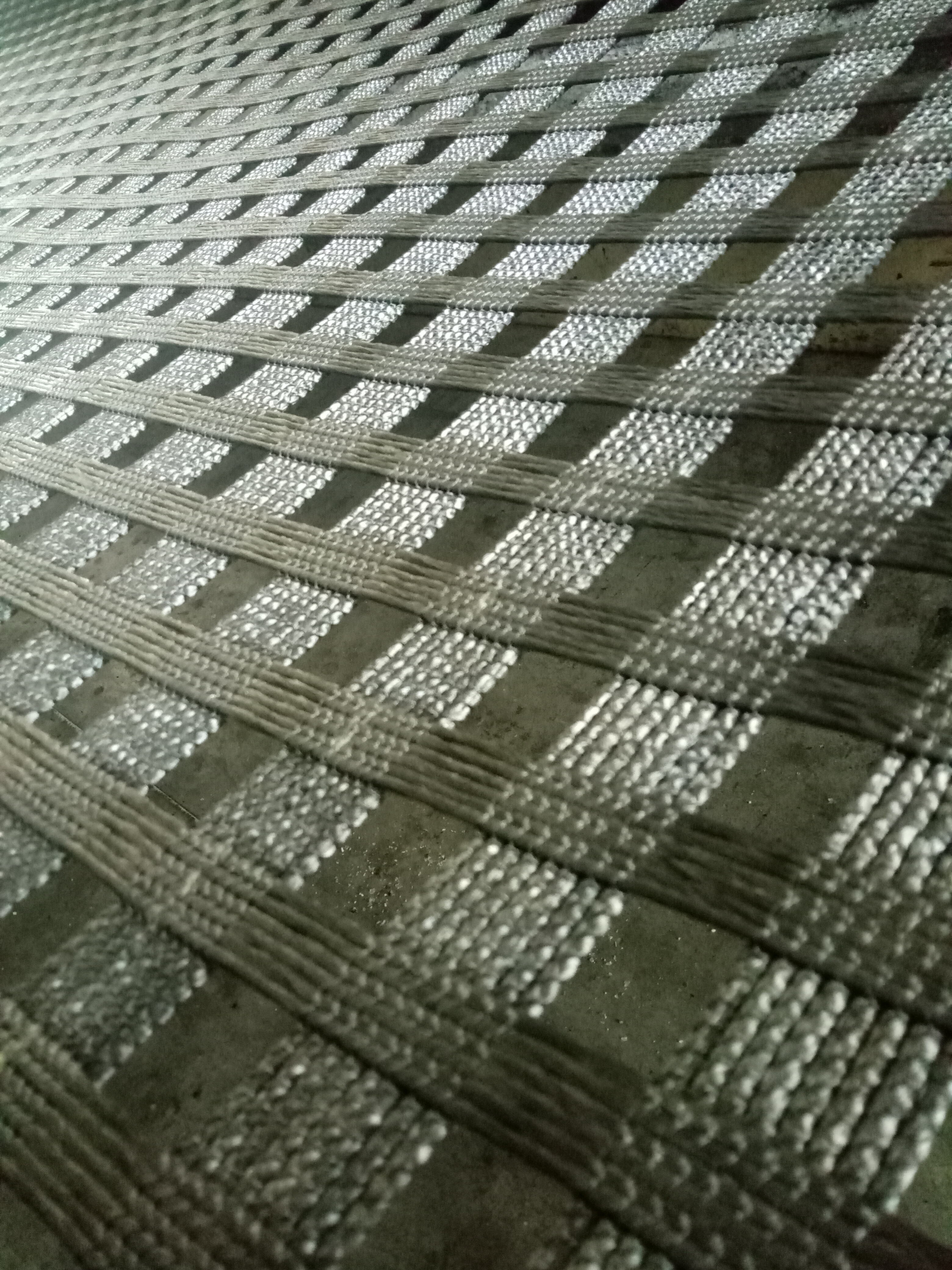
Geogrids have this open grid design, usually constructed from HDPE or polyester, which allows them to lock mechanically with soil particles. When soil fills these grid openings, it creates a kind of reinforced area that spreads out the stress points. Tests show this can boost shear resistance anywhere between 30 to 50 percent when compared to regular soil without reinforcement according to ASTM standards from last year. What happens is pretty straightforward really. The way these grids work helps prevent uneven sinking by spreading weight through those ribbed connections throughout the material. Engineers find this particularly useful for road bases and slope stabilization projects where stability matters most.
Role of Aperture Size and Soil Interlock Optimization
Aperture size (2.5–15 cm) plays a critical role in reinforcement efficiency. Smaller apertures (≤5 cm) are optimal for fine-grained soils, while larger grids (≥10 cm) suit gravelly fills. Field trials show proper aperture-soil matching improves bearing capacity by 40% in silty clays and 60% in sandy substrates (2023 Geosynthetics Conference).
Tensile Strength Contribution of Geogrids to Composite Soil Behavior
Geogrids offer varying levels of tensile strength between about 20 and 400 kN per meter, which helps compensate for the fact that soil just isn't good at handling tension forces. Installing these grids horizontally creates what engineers call a "beam effect." According to recent data from the 2024 Infrastructure Report, this technique cuts down on differential settlement problems quite significantly too—around 65 percent reduction in embankments and an impressive 85 percent drop in roadway subgrades when compared with traditional approaches. The resulting combination makes it possible for even softer soils to handle heavy traffic loads well beyond 10 MPa without developing those annoying ruts we all see on roads.
Evaluating Geogrid Performance: From Laboratory to Field Applications
Testing Methods for Assessing Soil-Geogrid Interaction Mechanisms
Standardized tests like the 3-point bending beam (3PBB) and ASTRA interface shear tests evaluate geogrid performance under controlled conditions. Recent studies (Springer 2024) highlight their effectiveness in measuring interfacial friction and load distribution patterns essential for optimizing soil strength.
Data on Bearing Capacity Improvement in Weak Foundation Soils
Field data shows geogrid reinforcement increases bearing capacity by 27–53% in silty clay subgrades, particularly with glass-fiber grids exhibiting tensile modulus values above 400 kN/m (ScienceDirect 2024). The ratio of aperture size to soil particle diameter is crucial—grids with 19–19 mm apertures reduce lateral displacement by 38% compared to smaller variants.
Case Study: Load-Bearing Capacity of Reinforced Soil Under Simulated Conditions
A 2024 pavement study simulating highway traffic loads found 62% less surface deformation after 10,000 load cycles in geogrid-stabilized soils. Researchers attributed this improvement to enhanced interlocking mechanics, supported by finite element modeling that illustrates effective stress redistribution.
Controversy Analysis: Variability in Laboratory vs. Field Performance Metrics
While laboratory tests consistently report 1.5–2x strength gains, field outcomes vary by ±25% due to uncontrolled factors like moisture infiltration and installation quality. This discrepancy highlights the importance of site-specific calibration in geogrid design.
Use of Geogrids in Road Construction and Embankments on Soft Soils
In embankment construction, geogrids enable stable builds on soils with California Bearing Ratio (CBR) values below 4, reducing aggregate base thickness by 30–50%. Properly installed systems achieve 1:1 slope stabilization in cohesive soils previously considered unstable.
Settlement Reduction and Differential Movement Control in Reinforced Systems
Geogrid layers reduce differential settlement by 44–68% in organic clay foundations through confinement. A 2024 railway study documented 9.2 mm maximum deflection in reinforced track beds versus 21.7 mm in unreinforced sections under heavy axle loads.
Long-Term Durability and Crack Reduction in Geogrid-Reinforced Soils
Effect of Geogrids on Crack Distribution and Depth in Expansive Soils
When dealing with expansive soils, geogrids really help stop cracks from forming because they spread out those pesky tensile stresses and keep things from moving sideways too much. Take polymer geogrids for instance these have been proven to cut down on crack depth by somewhere between 40 to 60 percent in soils heavy with clay when compared to areas without any reinforcement at all. A recent three year study looking at embankments that had been reinforced showed exactly this effect. What makes them work so well? Those little holes in the grid create what engineers call mechanical interlock. Basically, this stops stress from bunching up in one spot which would otherwise cause those big ugly cracks we see after repeated wetting and drying cycles. Soils just don't behave as badly when there's something holding them together properly.
Crack Reduction in Soils Due to Geogrid Reinforcement: Field Evidence
Looking at field data collected across 17 different infrastructure projects as part of a recent 2022 review shows something interesting about geogrid reinforced soils. These soils actually end up with around 70 percent fewer surface cracks when compared to traditional methods in areas where moisture levels fluctuate a lot. Take one particular case study for example. They found that highways built with reinforced subgrades had cracks averaging just 2.1 centimeters deep. Meanwhile, the control sections without reinforcement developed much deeper cracks measuring 7.8 centimeters on average after only 18 months of service. Why does this happen? Well, it turns out that geogrids work by keeping the soil movements contained but still letting water drain properly through controlled pathways. This dual benefit tackles both major reasons behind those annoying cracks that plague so many construction sites.
Design and Installation Best Practices for Optimal Soil Strength Improvement
Best Practices in Design and Installation Guidelines for Geogrids
Getting geogrid installation right starts with picking the correct material according to what kind of soil we're dealing with and how much weight it needs to support. When working with soft ground conditions, going for geogrids that have those smaller openings between 10 and 40 millimeters makes a big difference. These tighter grids create better grip between layers, which can boost interlocking strength anywhere from 25% all the way up to 40%. That's pretty significant when distributing tension across different points in the structure. For best results, place these grids roughly every third of the total fill height since that's where most of the pressure builds up naturally during construction. The overlaps need to stay within about 30 centimeters to almost a meter long, and always secure them properly using those polymer connectors. This helps keep everything together even after repeated stress cycles over time. Don't forget about adding nonwoven geotextiles underneath the geogrid layer especially in clayey soils that tend to get waterlogged. This simple step stops dirt particles from getting stuck in the grid spaces and keeps proper drainage functioning throughout the project lifespan.
Integration With Other Soil Stabilization Techniques and Geosynthetics
Combining geogrids with complementary techniques significantly enhances soil stability. A 2022 geotechnical analysis framework showed that pairing geogrids with lime stabilization reduces lateral displacement in expansive soils by 62% compared to standalone use. Key integration strategies include:
- Vertical drains + geogrids: Accelerate consolidation in organic clays while providing tensile reinforcement
- Cement grouting + biaxial geogrids: Increase bearing capacity of granular soils by 150–200%
- Geocells + geogrids: Minimize differential settlement in embankments through 3D confinement
Field evidence confirms hybrid systems extend service life by 8–12 years compared to single-method solutions in road construction projects.
FAQ
What are the key issues with soft and weak soils?
Soft and weak soils often can't hold weight well. They're prone to compress and can lead to issues like foundation failing or settling unevenly over time.
How do geogrids help improve soil strength?
Geogrids enhance soil strength through mechanical interlocking, tensile reinforcement, and lateral restraint. They help distribute stress and reduce differential settlement.
What are the ideal aperture sizes for geogrids?
Aperture sizes between 2.5–15 cm are crucial in reinforcement efficiency. Smaller apertures are ideal for fine-grained soils, while larger ones are better for gravelly fills.
How effective are geogrids in reducing differential settlement?
Geogrid layers can reduce differential settlement by 44–68% in organic clay foundations due to their confinement abilities.
Table of Contents
- Understanding Soil Strength Challenges in Soft Ground
- How Geogrid Reinforcement Enhances Soil Strength
-
Evaluating Geogrid Performance: From Laboratory to Field Applications
- Testing Methods for Assessing Soil-Geogrid Interaction Mechanisms
- Data on Bearing Capacity Improvement in Weak Foundation Soils
- Case Study: Load-Bearing Capacity of Reinforced Soil Under Simulated Conditions
- Controversy Analysis: Variability in Laboratory vs. Field Performance Metrics
- Use of Geogrids in Road Construction and Embankments on Soft Soils
- Settlement Reduction and Differential Movement Control in Reinforced Systems
- Long-Term Durability and Crack Reduction in Geogrid-Reinforced Soils
- Design and Installation Best Practices for Optimal Soil Strength Improvement
- FAQ