
 EN
EN
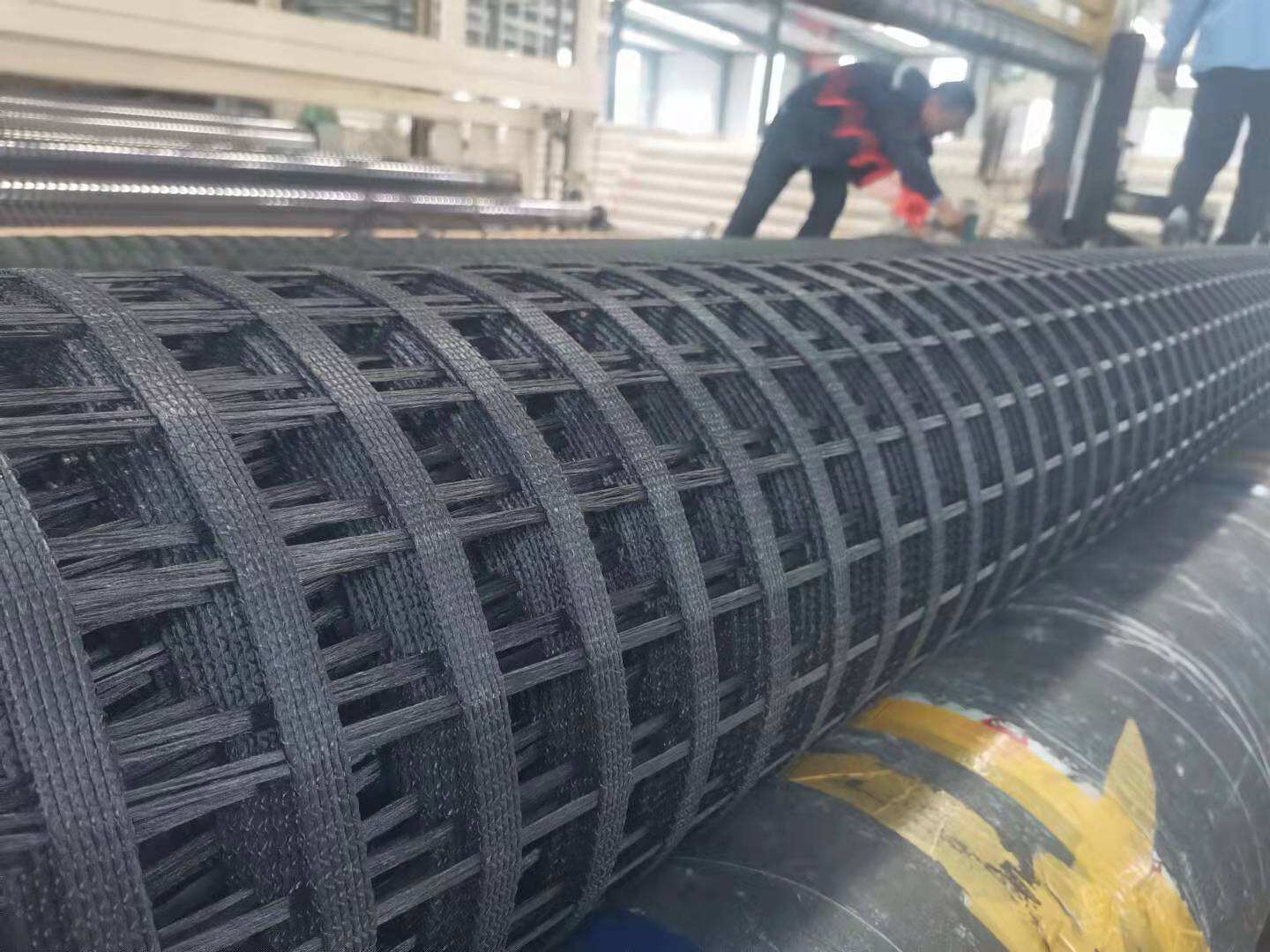
Soil Stabilization and Reinforcement with Polyester Geogrid
Mechanisms of Load Distribution and Tensile Strength in Weak Subgrades
The apertured grid structure of polyester geogrid works wonders for soil stabilization. When installed properly, these grids lock into place with surrounding soil particles, spreading out both vertical and horizontal forces across a larger area. The material typically handles tensile strength above 80 kN/m according to ASTM tests, turning unstable ground conditions into something much sturdier for construction purposes. Field tests show around a 30 to 40 percent improvement in how weight gets distributed when compared to regular uncompacted earth. Road builders and foundation contractors have noticed this makes a big difference in preventing those uneven settlements that cause cracks and structural problems down the road.
Highway Embankment Reinforcement Over Soft Soils: A Case Study
In a 2022 highway project in a flood-prone region, engineers installed polyester geogrid at 0.5 m intervals within a 4 m clay-rich embankment. Post-construction monitoring revealed a 65% reduction in lateral displacement versus conventional methods. The solution achieved 23% cost savings by reducing aggregate use while fully complying with FHWA safety standards.
Long-Term Performance and Monitoring of Reinforced Soil Structures
Long term field tests over 15 years have found that polyester geogrids lose less than 1.5% of their tensile strength when placed in soils ranging from pH 3 to 11. When we look at retaining walls with embedded sensors, the strain measurements stay pretty close to original readings even after going through about 50 freeze-thaw cycles, which basically means there's no need to worry about them breaking down over time. The newest tech in this area is distributed fiber optic monitoring systems. These allow engineers to spot stress problems as they happen, so maintenance crews can fix issues before they become big problems, all without having to tear things apart for inspection.
Slope and Erosion Control in Challenging Environments
Preventing Landslides and Surface Runoff Using Polyester Geogrid Systems
Polyester geogrids work wonders for slope stabilization because they spread out soil stress and cut down on pore water pressure by around 35% when the ground is really soaked (as reported in Geotechnical Engineering Journal back in 2023). What makes them so good at this job? Well, their grid pattern actually locks together with the aggregate materials, which boosts friction across surfaces and stops particles from moving around when there's heavy rain falling. These grids also do something pretty smart - they catch those dangerous shear planes but still let water drain naturally through them. That combination works especially well in areas where it rains more than 2,000 mm every year, making them a top choice for engineers dealing with problematic slopes in wet climates.
Field Application: Hillside Development in High-Rainfall Regions
A 2024 pilot project in Southeast Asia tested polyester geogrid on 65° hillslopes under monsoon conditions. Monitoring showed a 78% reduction in slope failure incidents compared to traditional terracing, with installation costs 40% lower than reinforced concrete walls. The method enabled safe residential development on unstable terrain while preserving natural hydrological flow.
Synergy Between Vegetation and Polyester Geogrid for Sustainable Slope Protection
When polyester geogrids are combined with plants that have deep root systems, it creates what engineers call a bio-engineered stabilization system. The roots actually weave through those little openings in the grid material, creating something like a living reinforcement web. Field tests showed slopes stabilized this way were about 110-115% more stable than just using the grids alone without plants. Coastal areas where this method was tested saw around 97 or 98 percent of planted vegetation still thriving after five years. That's pretty impressive when compared to traditional gabion structures which tend to degrade over time and generally cost more to maintain in the long run.
Key Performance Metrics (5-Year Monitoring):
| Parameter | Geogrid-Vegetation System | Traditional Methods |
|---|---|---|
| Erosion Reduction | 92% | 68% |
| Maintenance Frequency | 0.2 interventions/yr | 1.8 interventions/yr |
| Cost per Stabilized m² | $18.50 | $42.75 |
Durability and Environmental Resistance of Polyester Geogrid
Chemical, UV, and Biological Resistance in Contaminated and Exposed Sites
Polyester geogrids keep performing well even when conditions get tough. Tests conducted recently showed these materials retain about 95% of their original tensile strength after sitting under UV light for around 5,000 hours according to ASCE standards from last year. Special coatings help them stand up against harsh soil conditions too, working pretty well in both very acidic soils (around pH levels between 2 and 5) as well as more alkaline ones (typically pH levels ranging from 8 to 11). Looking at another angle, a recent study published in polymer engineering journals back in 2023 found polyester degrades less than 3% when faced with hydrocarbons and various biological contaminants. That makes it significantly better than polypropylene options which tend to break down much faster, roughly 40% worse actually in similar tests.
Performance Under Moisture and Temperature Fluctuations
The material retains 92% of its load-bearing capacity at 95% relative humidity and remains dimensionally stable across temperatures from -40°C to 80°C. Coastal field data show consistent performance in both tidal and arid zones, confirming low moisture sensitivity (Geosynthetics International 2024).
20-Year Creep Resistance Data and Engineered Longevity vs. Biodegradation Myths
Long-term monitoring reveals 1.8% strain accumulation over two decades—well below the 5% failure threshold. Accelerated aging tests simulating 50 years of service show:
| Property | Initial Value | 50-Year Projection |
|---|---|---|
| Tensile Strength | 100 kN/m | 88 kN/m (-12%) |
| Elongation at Break | 12% | 9.5% (-21%) |
Microbial activity causes less than 0.5% annual mass loss in organic-rich soils (Journal of Geotechnical Engineering 2024), confirming resistance to biodegradation. These characteristics support infrastructure lifespans of 30–50 years with proper installation.
Enabling Sustainable Construction Practices
Reducing Material Usage and Carbon Footprint Through Efficient Geogrid Design
Using polyester geogrids can cut down on aggregate needs for road bases by around 30 to 40 percent when compared to regular sections, according to research published in Geosynthetics International last year. This means saving money on materials and also reducing the carbon footprint associated with transporting those materials. The hexagonal pattern of these grids works really well at distributing weight across surfaces, so roads can be built thinner while still staying stable. Take a look at what happened in earthquake-prone areas recently: one highway project completed in 2024 managed to slash cement usage by about 22 percent simply by replacing traditional concrete retaining walls with geogrid lattice systems.
Environmental Benefits of Polyester Geogrid in Green Infrastructure
Polyester geogrid's open design actually helps roots grow better in vegetated earthworks, which makes it great for urban biodiversity projects since it creates these little ecosystems right there on stabilized slopes. According to research from Water Resources Journal last year, this material cuts down sedimentation by around two-thirds in areas prone to flooding because it holds soil so effectively. Plus, it doesn't leach chemicals into groundwater either. When engineers combine these geogrids with local plant species, they see erosion controlled almost ten times quicker compared to traditional rock armor methods. This approach really brings together what works best from engineering solutions and nature's own regenerative powers.
Next-Generation Innovations in Polyester Geogrid Technology
Advancements in Tensile Strength and Elasticity of Polymer-Based Grids
Newer material designs now reach tensile strengths above 200 kN per meter thanks to better molecule arrangement techniques and special surface treatments. Research published last year in polymer engineering journals showed something interesting too: when ribs are arranged in multiple directions instead of just one, the material becomes significantly more stretchy. About forty percent more elastic actually, which means it can bounce back after being squashed during earthquakes without breaking apart. This kind of performance boost explains why many construction companies are switching from steel reinforcements to polyester geogrids these days. Infrastructure reports indicate that around seven out of ten embankment projects now use this alternative material instead of traditional metal supports.
Smart Geogrids: Sensor Integration for Real-Time Structural Monitoring
We're starting to see fiber optic sensors built right into polyester geogrids these days, which makes them smart enough to track how much strain they're under and detect soil movements with pretty impressive accuracy around plus or minus 2%. What's really interesting is that this tech cuts down on maintenance expenses by about 34% when it comes to stabilizing slopes. Some tests done in regions prone to flooding have shown these sensor packed grids can send warnings via the cloud as early as eight hours before something might go wrong. That gives engineers plenty of time to get ahead of problems and plan better responses when needed.
Trend Analysis: Adoption of Advanced Composites in Civil and Environmental Projects
According to the Global Infrastructure Materials Report from 2024, polyester geogrids made up nearly 6 out of 10 purchases worldwide for soil reinforcement materials back in 2023. This shows how the industry is moving towards better performing polymer solutions. Green infrastructure projects often go with hybrid designs that incorporate recycled polyethylene binders. These newer approaches cut down on carbon emissions by around 90% compared to what we've traditionally used. For coastal areas fighting against erosion, these composite materials are becoming the preferred choice. They stand up to saltwater exposure for about half a century without degrading, which makes them last longer than galvanized steel options while being much more environmentally friendly over time.
Frequently Asked Questions
What are the benefits of using polyester geogrid in construction?
Polyester geogrid enhances soil stabilization, reduces erosion, ensures long-term durability, and supports sustainable construction practices by reducing material usage and carbon footprint.
How does polyester geogrid compare to traditional methods?
Compared to traditional methods, polyester geogrid offers improved load distribution, greater tensile strength, reduced erosion, and lower maintenance costs, while being environmentally friendly.
Is polyester geogrid environmentally sustainable?
Yes, polyester geogrid supports sustainable construction practices and green infrastructure by preserving natural hydrological flow and reducing sedimentation without leaching chemicals into groundwater.
Table of Contents
- Soil Stabilization and Reinforcement with Polyester Geogrid
- Slope and Erosion Control in Challenging Environments
- Durability and Environmental Resistance of Polyester Geogrid
- Enabling Sustainable Construction Practices
- Next-Generation Innovations in Polyester Geogrid Technology
- Frequently Asked Questions