
 EN
EN
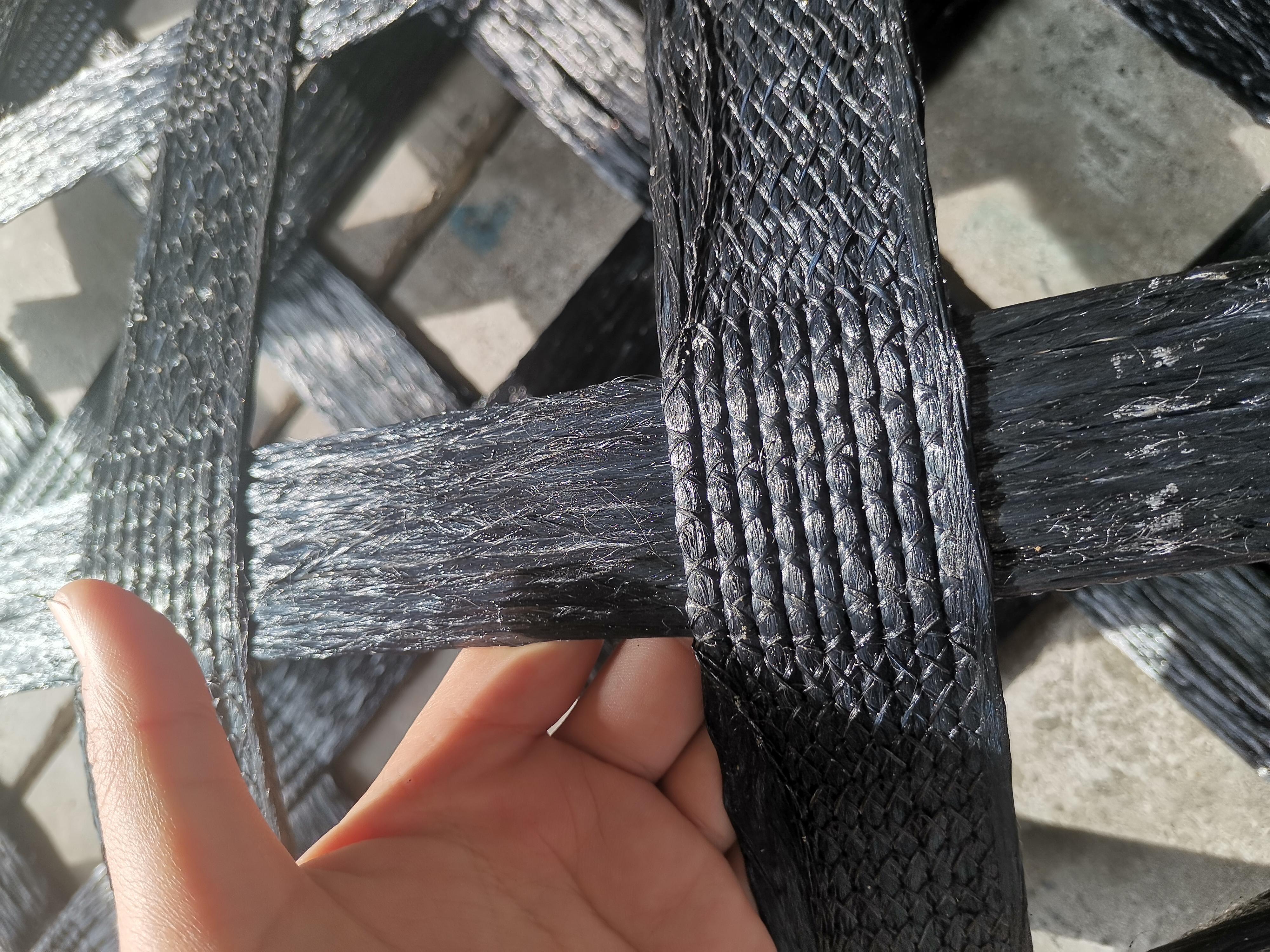
What Is Biaxial Geogrid? Structure, Composition, and Key Differences
Definition and Basic Function of Biaxial Geogrids
Biaxial geogrids are basically grids made from polymers designed to provide the same level of tensile strength whether stretched along their length or across their width. What makes them work so well is how those connected ribs and evenly spaced openings actually grab onto soil particles, spreading out the weight over areas that might otherwise collapse. When we look at real world applications, these grids cut down on sideways soil shifting by around 70 percent compared to older methods when used in things like road bases and hillside stabilizations. They also help the ground support heavier loads overall. According to recent findings from the Geotechnical Fabric Report published last year, this kind of performance makes a big difference in construction projects where stability matters most.
How Biaxial Geogrid Differs from Uniaxial and Other Reinforcement Materials
While uniaxial geogrids are optimized for single-directional stress environments like retaining walls, biaxial variants provide balanced reinforcement in multi-directional applications. Key distinctions include:
| Property | Biaxial Geogrid | Uniaxial Geogrid |
|---|---|---|
| Strength Orientation | Equal in X and Y axes | Single-axis dominant |
| Primary Use Cases | Road bases, slopes | Retaining walls, steep slopes |
| Load Distribution | 360° stress dispersion | Linear stress alignment |
This bidirectional design allows for 20–40% thinner aggregate layers in road construction compared to uniaxial alternatives.
Material Composition and Manufacturing Process of Biaxial Geogrid
The majority of biaxial geogrid products come from either high density polyethylene HDPE or polypropylene materials. These raw materials get punched with holes and then stretched out in two directions to create that distinctive grid pattern we see in construction projects. When the molecules align during this stretching process, it actually makes the material better at resisting both ultraviolet damage and slow deformation over time something really important when these grids need to hold up against changing weather conditions for decades. Looking at recent standards like ASTM D6637 from 2022 shows just how durable they are too HDPE based options maintain around 95 percent of their original strength even after sitting in soil that's not exactly friendly for half a century.
How Biaxial Geogrid Reinforces Soil: Mechanisms of Strength and Stability
Tensile Strength and Load Distribution in Pavements and Infrastructure
Biaxial geogrids have strength in both directions, usually between around 15 kN per meter all the way up to 60 kN per meter based on what specs are needed. What this does is spread out the weight from things like cars and trucks evenly across different areas instead of letting pressure build up in one spot. Tests show that this actually cuts down stress points by about 40% when compared to regular soil without reinforcement. These grids also have gaps in them that let some soil particles work their way through over time. This creates kind of a sandwich effect where the soil and grid work together better against repeated forces. When used beneath roads, engineers find that pavements last roughly 8 to maybe even 12 extra years because there's less pothole formation and cracks developing from constant use.
Interlocking Mechanism Between Biaxial Geogrid and Soil Particles
Lattice designs typically have aperture sizes ranging from about 20 to 50 millimeters, which work really well for getting those angular aggregate particles to mechanically interlock. When we compact the material, what happens is these particles actually fit into the grid openings, forming what engineers call a stabilized matrix that basically stops things from moving sideways. The result? An increase in the effective soil friction angle somewhere between 5 and maybe even 10 percentage points. This makes ordinary granular fill materials behave more like a semi rigid structural layer instead of just loose stuff. And there's another benefit too the interlocking action spreads out shear stresses across the grid ribs, which helps minimize those annoying differential settlements that can plague embankment structures over time.
Performance in Problematic Soil Types (Cohesive and Granular Soils)
When dealing with cohesive soils like clay, biaxial geogrids work pretty well at fighting off those pesky swelling pressures. They basically resist tension from vertical heave movements, which cuts down on moisture related expansion by somewhere between 30 and 50 percent if placed at just the right depth below ground level. With granular soils, these grids stop particles from moving around when water pressure builds up, something that becomes really critical for retaining walls where water tends to sneak through over time. Another big plus is their ability to handle different strengths in different directions, making them especially good for soils that have layers with varying properties. Field tests show that compared to regular one-directional geogrids, these bidirectional ones can boost bearing capacity by about 25 percent in areas where soil types mix together naturally.
Key Applications in Civil Infrastructure: Roads, Slopes, and Retaining Walls
Base Reinforcement and Durability in Road and Pavement Construction
Biaxial geogrids really boost how well road bases perform because they spread out vehicle weight through their grid pattern, which takes pressure off weaker parts of the ground underneath. Engineers can actually cut down on aggregate material by about 30 to 40 percent without sacrificing road strength, something backed up in last year's Federal Highway Administration report on infrastructure improvements. When aggregate particles lock into place within the geogrid openings, it forms a much more stable foundation layer. This helps stop those annoying ruts from forming at busy spots where lots of cars pass through daily, such as major highway junctions or toll plazas.
Slope Stabilization and Prevention of Lateral Spreading in Embankments
Biaxial geogrid has similar strength whether looking at machine direction or cross machine direction, which gives it pretty much full circle resistance against soil movement on slopes. The grid's open design actually helps plants grow through it while still holding soil particles in place mechanically. This combination offers two layers of protection and studies show it cuts down erosion risks by around 57 percent when compared to regular slopes without reinforcement according to Geosynthetics International from last year. Because of these properties, engineers often choose this material when they need to stabilize embankments near roads and railways that are vulnerable to flooding.
Structural Efficiency in Segmental Retaining Wall Systems
When retaining walls are reinforced with biaxial geogrids, they can handle about 2 to 3 times more weight because the soil stays better contained. What makes these grids work so well is their strong connection points which create a sort of unified material that pushes back against sideways pressure from the earth. This means engineers can build walls that are not only taller but also thinner than traditional designs. Contractors have been jumping on board with this technology too, as it's now used in roughly three out of four mechanically stabilized earth wall projects across the country since around 2020. The numbers tell us something important about how construction practices are evolving toward more efficient solutions.
Case Study: Biaxial Geogrid in Highway Base Reinforcement – I-70 Reconstruction Project
During the I-70 mountain corridor reconstruction, the Colorado DOT used biaxial geogrid to combat frost heave. By integrating geogrid layers into the roadbase, engineers reduced maintenance costs by 22% over the first three winters while meeting stringent 8.5-ton axle load requirements—demonstrating its effectiveness in extreme climate conditions.
Economic and Construction Benefits: Cost Efficiency and Long-Term Value
Cost Savings Through Reduced Aggregate Use and Thinner Pavement Sections
Biaxial geogrid enables 30–50% reduction in aggregate use without compromising structural integrity, as validated in federal highway studies. This translates into direct material savings and permits thinner pavement sections—advantageous for projects with budget or depth limitations.
Ease of Installation and Faster Construction Timelines
Biaxial geogrid requires no specialized equipment and integrates seamlessly into standard earthwork operations. Contractors report 15–25% faster completion times compared to traditional layered systems, accelerating project delivery.
Lifecycle Cost Analysis: Balancing Initial Investment With Long-Term Durability
Although biaxial geogrids entail a 20–35% higher initial cost than unreinforced bases, lifecycle analyses show 40–60% lower maintenance expenses over 20 years. Their resistance to chemical degradation and mechanical creep ensures reliable performance in freeze-thaw cycles and heavy traffic environments.
Industry Paradox: Higher Upfront Material Cost Versus 30–50% Reduction in Aggregate Use
A 2023 transportation department study highlighted this tradeoff: projects using biaxial geogrid spent 18% more on materials but achieved 52% lower long-term repair costs. The prevention of differential settlement in weak subgrades offsets initial investment through extended service life.
Trend: Increasing Adoption in Urban Pavement Rehabilitation
Municipalities increasingly specify biaxial geogrid for asphalt overlays and pothole repairs, with adoption rising 22% annually since 2020. Urban planners value its ability to rehabilitate failing pavements without full-depth excavation, reducing traffic disruptions by 3–5 days per lane mile compared to conventional methods.
FAQ Section
What is a biaxial geogrid?
Biaxial geogrids are polymer grids that offer equal tensile strength in both the length and width directions, enhancing soil stability and supporting heavy loads in construction projects.
How does biaxial geogrid differ from uniaxial geogrid?
Biaxial geogrid provides balanced reinforcement in multi-directional applications unlike uniaxial geogrid, which is optimized for single-directional stress environments.
What materials are used in biaxial geogrids?
Biaxial geogrids are primarily made from high density polyethylene (HDPE) or polypropylene, providing durability and resistance to UV damage.
How does biaxial geogrid contribute to road construction?
Biaxial geogrid enhances road bases by distributing vehicle weight evenly, allowing for reduced aggregate material while maintaining road strength.
What economic advantages does biaxial geogrid offer?
Although initially more expensive, biaxial geogrid saves costs over time by reducing maintenance expenses and material use, leading to longer-lasting pavement solutions.
Table of Contents
- What Is Biaxial Geogrid? Structure, Composition, and Key Differences
- How Biaxial Geogrid Reinforces Soil: Mechanisms of Strength and Stability
- Key Applications in Civil Infrastructure: Roads, Slopes, and Retaining Walls
- Case Study: Biaxial Geogrid in Highway Base Reinforcement – I-70 Reconstruction Project
-
Economic and Construction Benefits: Cost Efficiency and Long-Term Value
- Cost Savings Through Reduced Aggregate Use and Thinner Pavement Sections
- Ease of Installation and Faster Construction Timelines
- Lifecycle Cost Analysis: Balancing Initial Investment With Long-Term Durability
- Industry Paradox: Higher Upfront Material Cost Versus 30–50% Reduction in Aggregate Use
- Trend: Increasing Adoption in Urban Pavement Rehabilitation
- FAQ Section