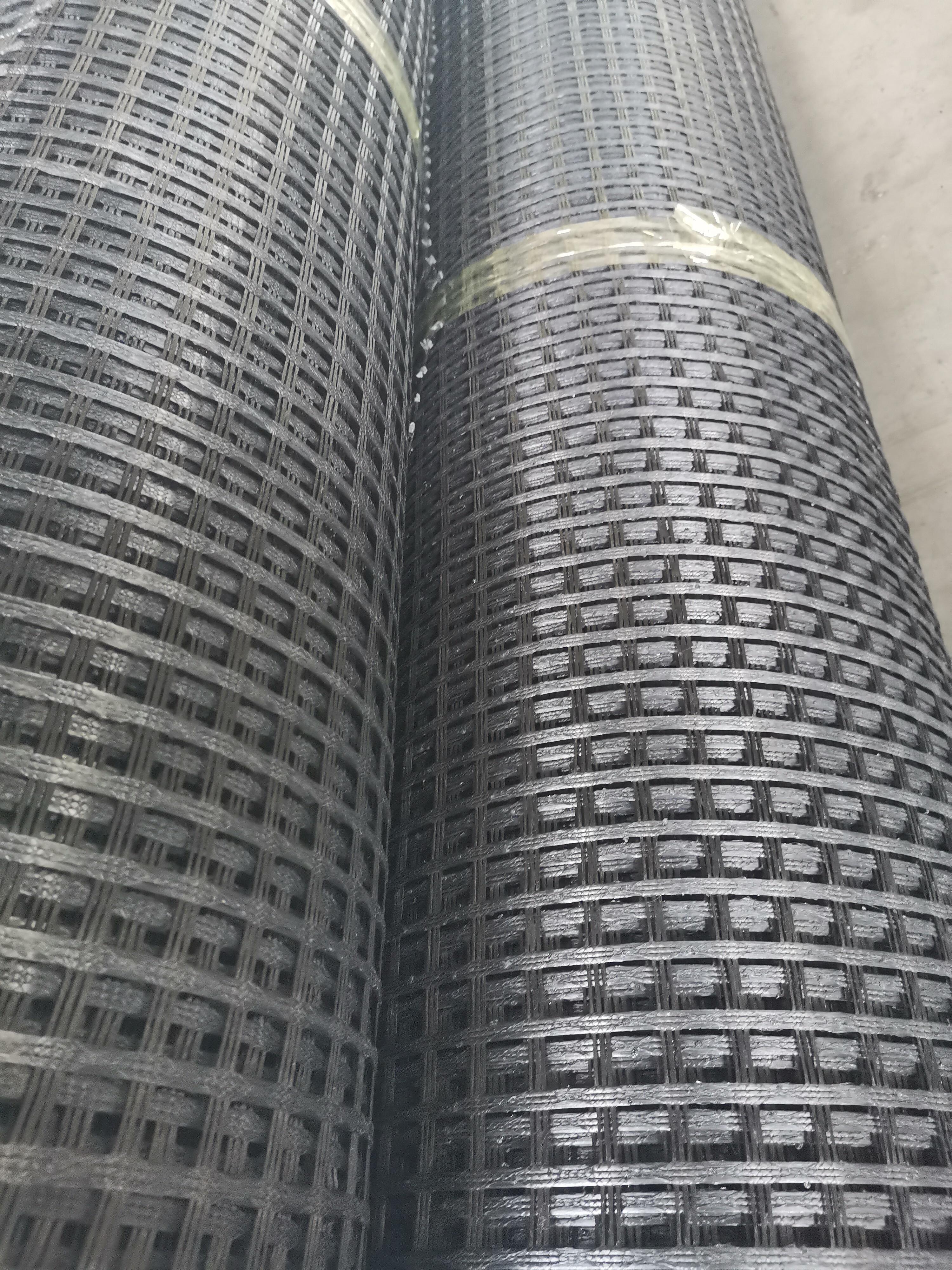
Uniaxial Geogrid for Soil Reinforcement | High Strength Solutions

All Categories
Sunshine Geogrid: Leading Geosynthetic Solutions Since 2006

Sunshine Geogrid: Leading Geosynthetic Solutions Since 2006

Established in 2006, Sunshine Geogrid specializes in advanced geosynthetic materials. After 3 years of R&D, it launched the world’s leading High Strength Polyester Mining Grid, now in mass production with 18 specifications for underground tunnel support and mining applications. Our company offers 5 product categories (40+ specs), including Polyester Geogrid, Fiberglass Geogrid, Geocell, and Geotextile. Products are exported to 20+ countries, praised for high quality and timely delivery. Leveraging innovative materials like PET and basalt geogrids, it serves infrastructure projects globally, ensuring durability and performance in road reinforcement, slope stabilization, and landfill construction.
Get A Quote


Advantages

High Longitudinal Strength

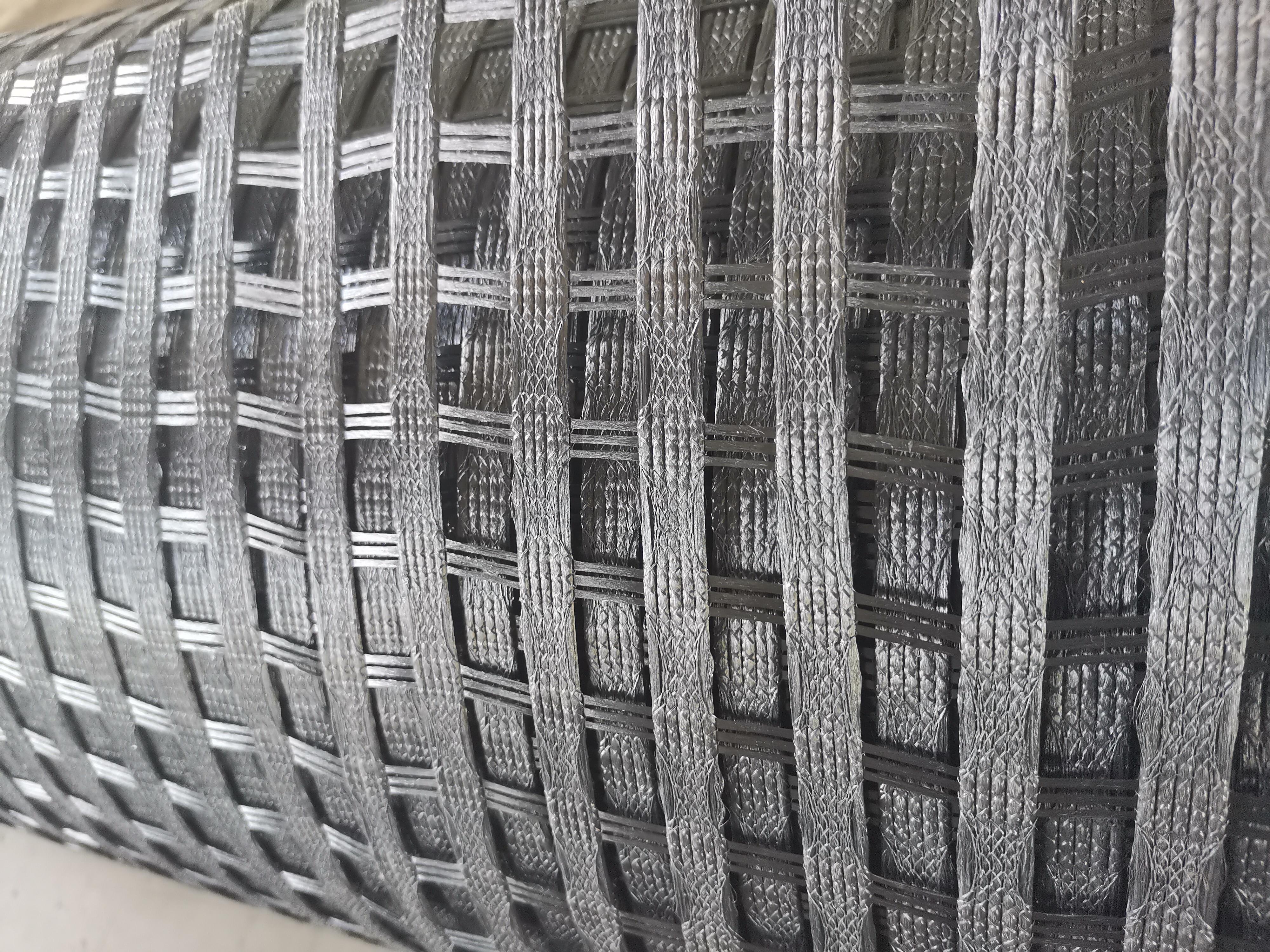
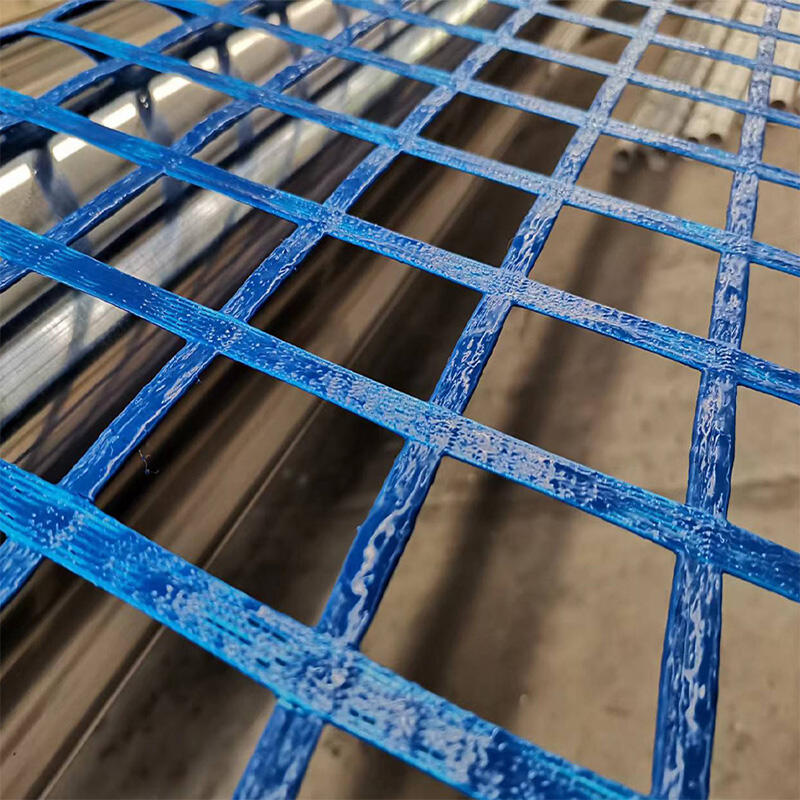
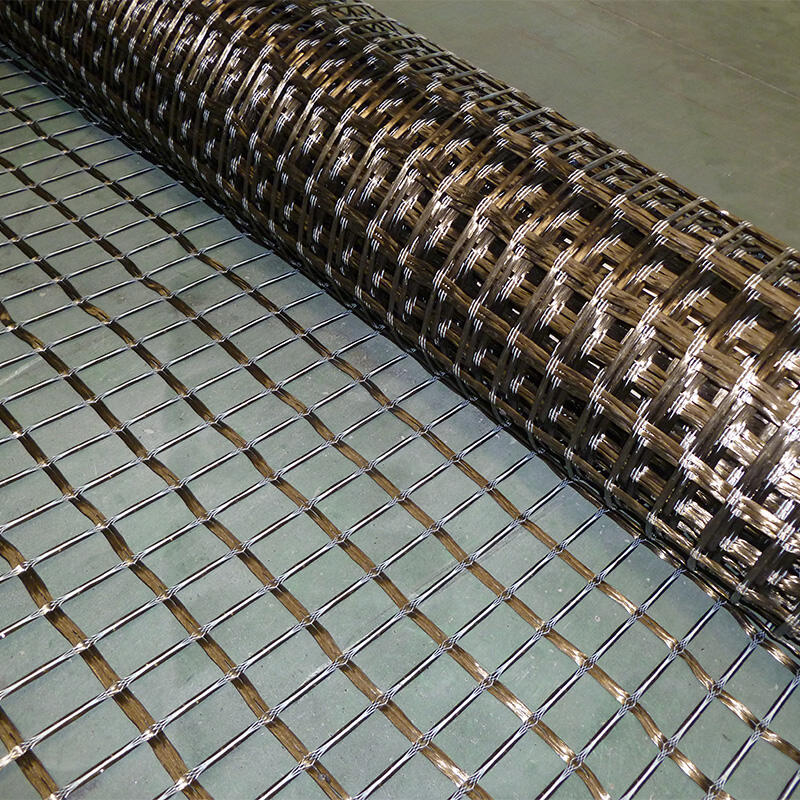
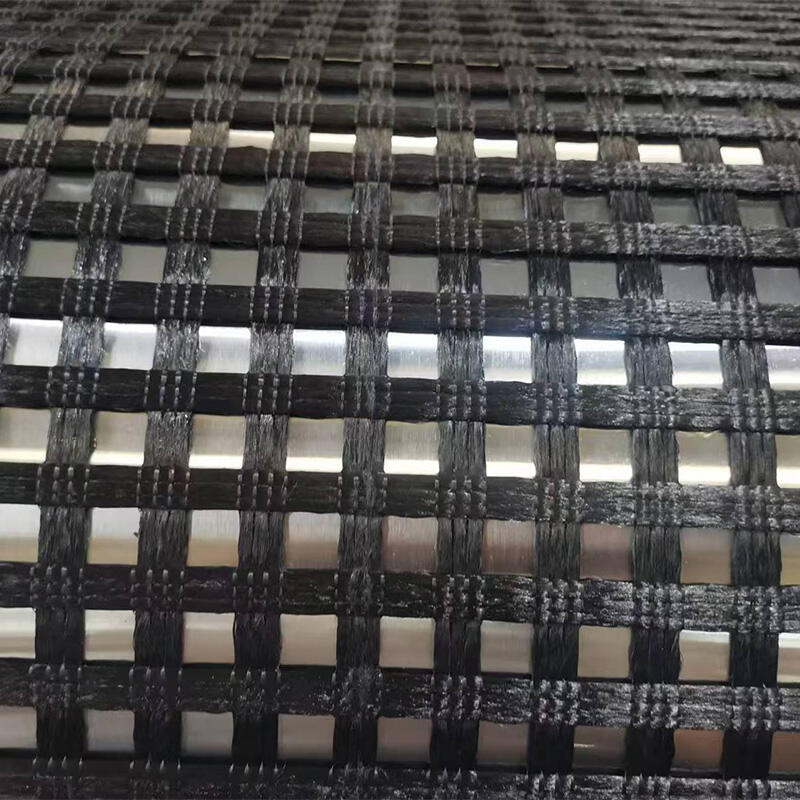
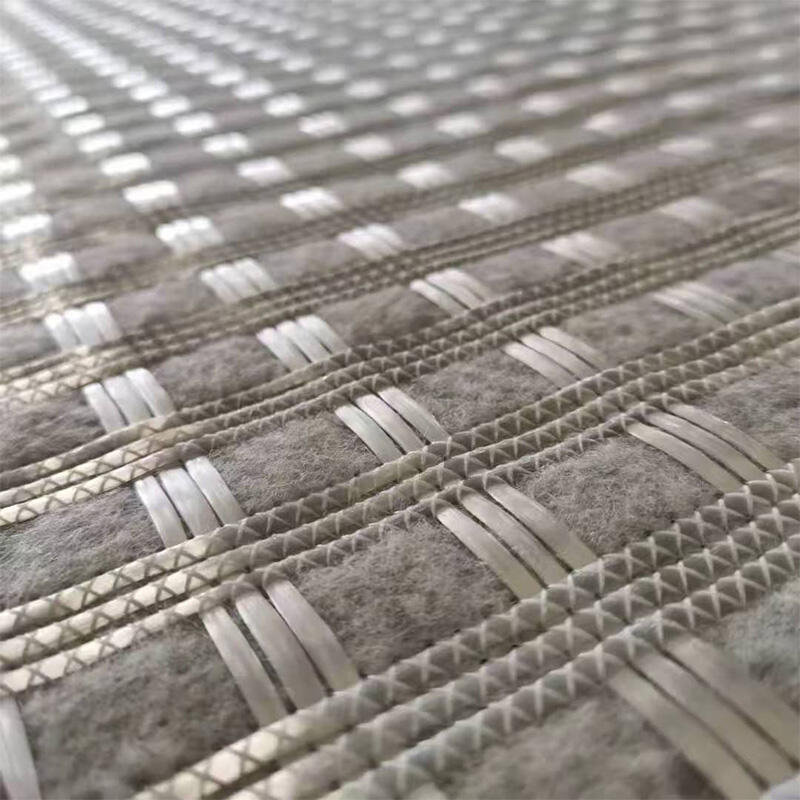
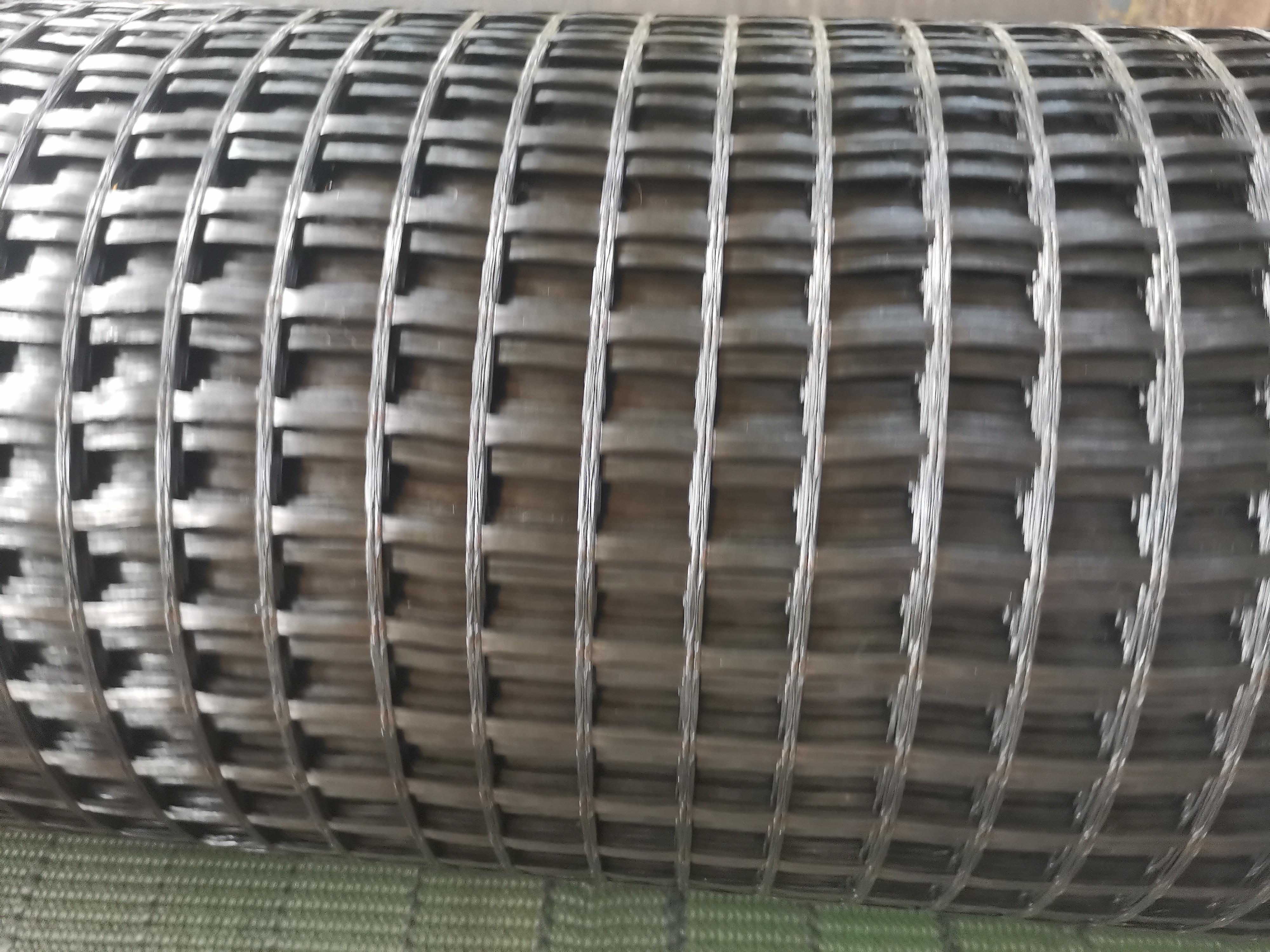
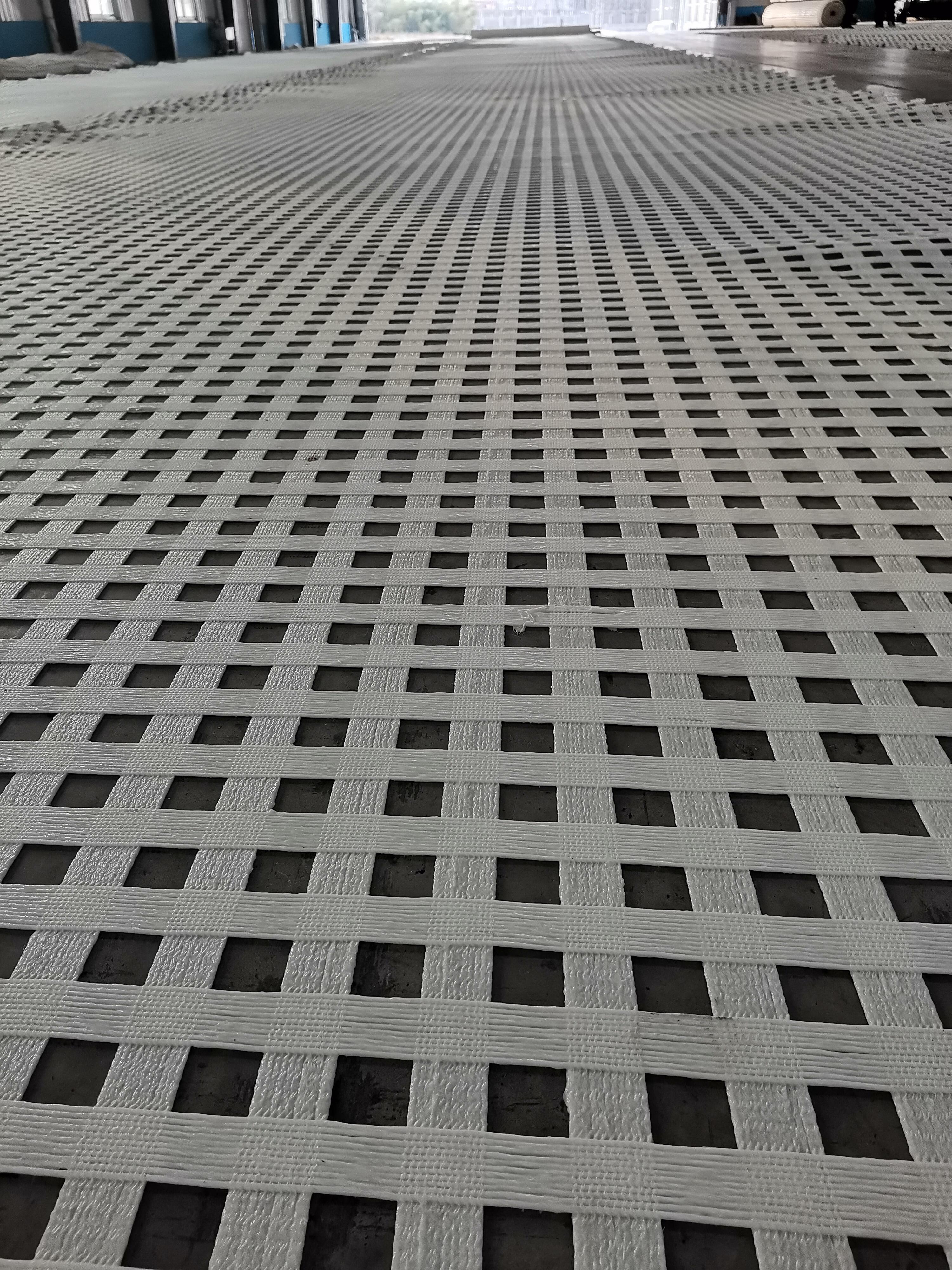
Uniaxial geogrid is specifically designed to have high tensile strength in the longitudinal direction. This makes it highly effective for applications where loads are mainly applied in one direction, such as in the reinforcement of roadways and railways, where it can resist stretching and deformation along the length of the structure.

Good Anti - Aging Property

With the addition of anti - ultraviolet and anti - aging additives, uniaxial geogrid has excellent anti - aging performance. It can withstand long - term exposure to sunlight and other environmental factors without significant degradation of its mechanical properties, ensuring long - term reliability in outdoor applications.

Lightweight and Easy to Transport

Despite its high strength, uniaxial geogrid is lightweight, which simplifies transportation and handling. This characteristic reduces transportation costs and makes the installation process more convenient, especially in remote or difficult - to - access construction sites.

Related products

Strength requirements for uniaxial geogrid tendons are based on multiple factors within a single project. The magnitude and type of load which a geogrid has to bear, such as traffic loads in case of road constructions and earth pressure in retaining wall projects, is of primary concern. Other factors like soil type, density, and even shear strength influence geogrid's tensile strength. For example, soft soil areas may require uniaxial geogrid with higher tensile strength unidirectionally to provide better reinforcement. In addition, the expected life of the structure and external environmental conditions like chemical exposure or UV radiation are relevant too. Engineers tend to calculate and preset the uniaxial geogrids' tensile strength in a manner to enable soil reinforcement as well as endure the stress throughout the designed life span of the project.

Frequently Asked Questions

What raw materials are used for uniaxial geogrid?

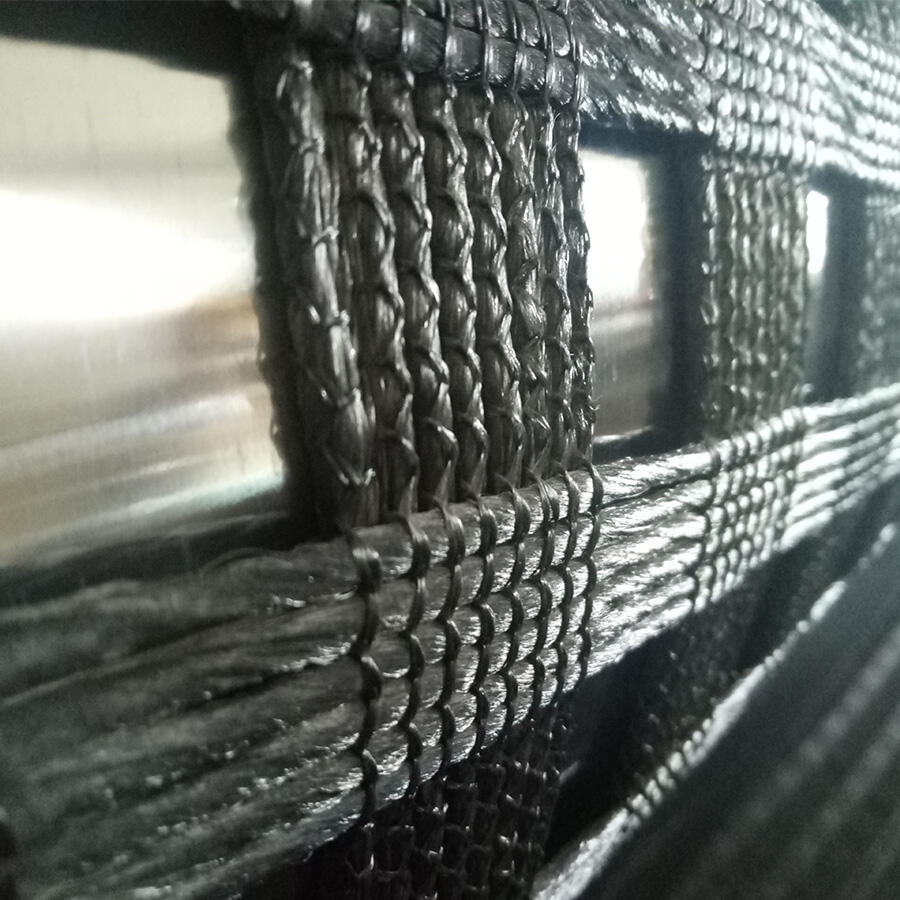
Uniaxial geogrid uses high - molecular polymers as the main raw material. Anti - ultraviolet and anti - aging additives are often added. These polymers are processed through extrusion, punching, and unidirectional stretching to form a high - strength geotechnical material with a linear molecular arrangement, providing excellent longitudinal strength.
Uniaxial geogrid reinforces soil by restraining soil movement in the longitudinal direction. When installed in the soil, it interlocks with soil particles, increasing the soil's shear strength and resistance to deformation. This helps to improve the bearing capacity of the soil, reduce soil settlement, and enhance the overall stability of the soil - based structure.
Uniaxial geogrid is effective in various soil conditions, especially in soft or weak soil where reinforcement in one direction is required. It can improve the mechanical properties of the soil, such as increasing its strength and stiffness, and is suitable for projects like road construction on soft subgrades or railway embankment reinforcement, regardless of the soil type.
The main limitation of uniaxial geogrid is its relatively low strength in the direction perpendicular to the stretching direction. Since it is designed for unidirectional reinforcement, it may not be as effective in applications where loads are applied in multiple directions. In such cases, biaxial geogrid or other multi - directional reinforcement materials may be more appropriate.

Related Articles

The Role of Asphalt Geogrid in Maintaining Road Surface Smoothness

28

Apr

The Role of Asphalt Geogrid in Maintaining Road Surface Smoothness

What Is Asphalt Geogrid? Definition and Core Functions Asphalt geogrid represents a type of geosynthetic product specifically engineered for reinforcing road surfaces. When installed properly, these materials help spread out the weight of vehicles ...
View More
The Design and Construction of Geogrid Retaining Walls

28

Apr

The Design and Construction of Geogrid Retaining Walls

Understanding Geogrid Retaining Walls What Are Geogrid Retaining Walls? Geogrid retaining walls work as earth retention systems where geogrid material supports and holds back soil. These wall systems use special reinforcement tech to build stable sl...
View More
Mine Grid: A Cost - Effective Option for Mining Infrastructure

28

Apr

Mine Grid: A Cost - Effective Option for Mining Infrastructure

What is a Mine Grid? Definition & Core Functions The Role of Geosynthetics in Modern Mining Mining operations have changed quite a bit since geosynthetics like geogrids and geo meshes came into play. These materials basically make things stronger ...
View More
How Uniaxial Geogrid Contributes to Sustainable Construction

28

Apr

How Uniaxial Geogrid Contributes to Sustainable Construction

Understanding Uniaxial Geogrid Technology Definition and Structural Design Uniaxial geogrid tech boosts soil reinforcement because it has strong tension resistance along one axis. For construction work where ground stability matters most, this di...
View More

Customer Reviews

Mark Johnson
Uniaxial Geogrid: Reliable Reinforcement

I used the uniaxial geogrid for reinforcing a soft soil foundation, and it did a great job. Its high strength in the longitudinal direction was exactly what I needed. The geogrid was easy to unroll and install, and it quickly integrated with the soil. After installation, the foundation's stability improved significantly, and it could withstand heavier loads. It's a reliable product that I would use again for foundation reinforcement.

Kevin Wright
Reliable and Strong Uniaxial Geogrid

I'm very satisfied with this uniaxial geogrid. It's reliable and has a high tensile strength in the intended direction. I used it in a railway subgrade project, and it has improved the subgrade's load - bearing capacity. The geogrid's anti - fragile property ensures its integrity during installation and use. It's a well - made product that meets the requirements of my project.

Get a Free Quote

Our representative will contact you soon.
Email
Mobile/WhatsApp
Name
Company Name
Message
0/1000
Cost - Efficient Reinforcement

Cost - Efficient Reinforcement

Uniaxial geogrid provides a cost - efficient reinforcement solution. Its high strength - to - weight ratio allows for effective soil reinforcement with relatively low material costs. Additionally, its long service life and low maintenance requirements further contribute to cost savings in construction projects.