
 EN
EN
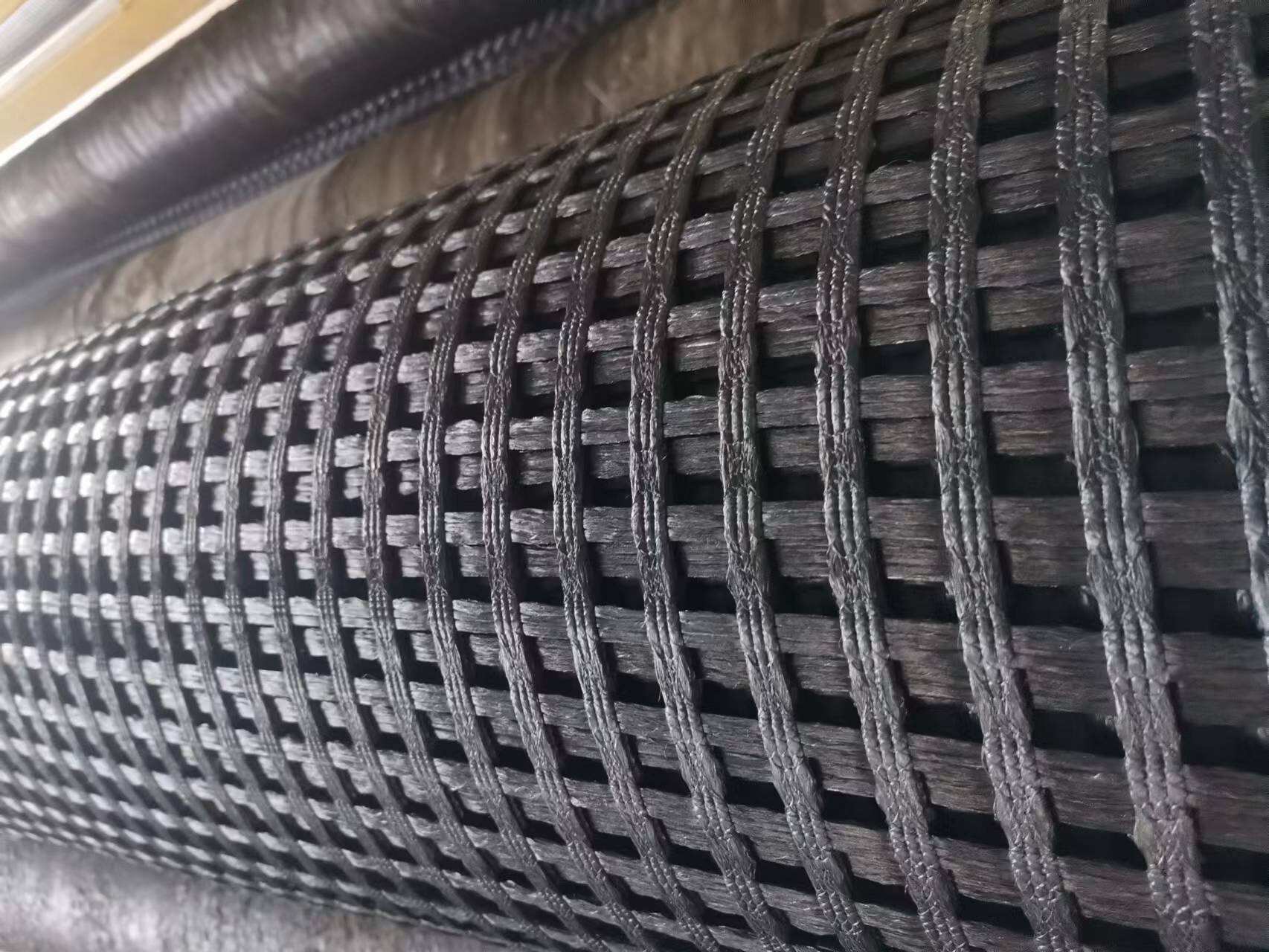
How Geogrid Reinforcement Enhances Retaining Wall Performance
Modern geogrid retaining wall systems address slope stabilization challenges through engineered soil-geosynthetic interactions. These high-strength polymer grids create a composite material with improved tensile capacity, enabling structures to withstand lateral earth pressures 40% more effectively than traditional methods (Geosynthetic Institute 2023).
Mechanics of Geogrid for Retaining Wall Systems
Geogrids reinforce soil through three primary mechanisms:
- Lateral restraint – Grid apertures interlock with aggregate to prevent soil particle migration
- Tensioned membrane effect – Stretched geogrid layers redistribute concentrated loads
- Friction mobilization – Surface roughness generates shear resistance along grid-soil interfaces
These interactions transform granular backfill into a coherent mass that behaves as a single structural unit.
Key Factors Influencing Geogrid Reinforcement Effectiveness
| Parameter | Optimal Range | Performance Impact |
|---|---|---|
| Grid depth | 0.3H – 0.6H* | Reduces base pressures 25% |
| Vertical spacing | ≈ 0.8m | Limits differential settlement |
| Embedment length | 1.0m min. | Prevents pullout failure |
| *H = wall height |
Proper nodal junction strength (≈ 300 N/m) and soil-geogrid friction angles (>30°C) are critical for achieving design lifetimes exceeding 50 years.
Case Study: Long-Term Stability in Highway Embankments
A 12m-high reinforced wall along Colorado’s I-70 corridor demonstrated <5mm vertical displacement after 15 freeze-thaw cycles—outperforming conventional concrete cantilever walls by 60% in deformation resistance.
Structural Advantages Over Unreinforced Soil Systems
- 75% reduction in required base width for equivalent heights
- 2.5– higher seismic load tolerance (MCEER 2022 testing)
- 40% faster construction through modular block compatibility
These engineered solutions enable taller retaining structures (up to 30m) while using 60% less concrete than gravity wall alternatives—a critical advantage in environmentally sensitive areas.
Slope Stabilization with Geogrids: Design Principles and Real-World Impact
Understanding slope stability challenges and soil retention needs
Slopes that are too steep tend to become unstable for several reasons including gravity pulling things down, water seeping into the ground, and what kind of soil makes up the hillside. Whether we're talking about mountainsides in nature or manmade hills, all these elements work together to cause slow movement of soil over time or even sudden landslides when conditions get right. To combat this problem, engineers often turn to geogrid retaining walls. These systems basically strengthen the soil by adding tension support throughout it, which creates something stronger than regular dirt alone. Tests show that this method can boost resistance against sliding by anywhere from 40 to 60 percent according to research published by the Geosynthetic Institute back in 2023.
Wall height, slope angle, and load distribution considerations
Three critical parameters govern geogrid stabilization design:
- Wall height: Structures > 15 ft require multilayer geogrid placement with vertical spacing ≈ 24"
- Slope angle: Maximum safe inclination reduced from 70° (unreinforced) to 50° with geogrids
- Load factors: Traffic vibration and surcharge loads increase required geogrid tensile capacity by 25–35%
Data-driven results: Reduction in landslide incidents post-installation
A 7-year study of 142 highway embankments showed 83% fewer landslide repairs in geogrid-reinforced slopes versus traditional retaining walls. The 2022 Slope Stability Report attributes this to geogrids' ability to redistribute stress away from weak soil zones.
Applications in infrastructure and erosion-prone environments
From coastal cliff stabilization to mining access roads, geogrid solutions prevent $1.2B annually in erosion-related infrastructure damage. Their modular design proves particularly effective in floodplains, where cyclic saturation weakens conventional concrete structures.
Sustainable Advantages of Geogrid Retaining Wall Systems
Environmental Benefits of Geosynthetics in Construction
Studies from FHWA in 2023 show that geogrid retaining walls cut down construction emissions by around 60% when compared to traditional building approaches. The unique grid pattern lets plants grow through it, which helps stop soil erosion naturally without needing those heavy duty plastic barriers we usually see. Concrete remains a major problem though since making it accounts for about 8% of all carbon dioxide emissions worldwide according to Chatham House research from last year. Geogrid systems work differently because they're made from recycled plastics and make good use of whatever dirt happens to be already at the site. This means trucks don't have to haul in so much new material, potentially reducing transportation requirements by as much as three quarters.
Comparison with Traditional Concrete Retaining Walls
Where concrete walls require energy-intensive cement and steel reinforcements, geogrid systems achieve equivalent load capacity using 90% less material volume. A 2023 slope stabilization study found geogrid-reinforced structures cost 30% less over 10 years due to reduced maintenance needs and absence of thermal expansion issues common in concrete.
Lifecycle Analysis: Durability Concerns vs. Long-Term Sustainability
Properly installed geogrid systems maintain 95% of tensile strength after 50 years (ASTM accelerated aging trials 2021), outperforming concrete walls susceptible to cracking and frost heave. While initial costs average $18–$22 per square foot versus $15 for basic concrete, lifecycle savings from avoided repairs and replacements exceed 40% (USACE 2022).
Role in Green Building and Low-Impact Development
LEED-certified projects increasingly adopt geogrid walls for their stormwater permeability and habitat preservation capabilities. In urban flood zones, these systems reduce runoff velocity by 65% compared to impermeable alternatives while supporting root-reinforced slopes—a dual solution meeting both engineering and ecological requirements.
Integrating Vegetated Retaining Walls and Green Infrastructure
Synergy Between Vegetation and Geogrid-Reinforced Structures
When plants grow through geogrid reinforcement, their roots actually work together with the synthetic material to create better stability for slopes. The roots grab onto the plastic grid structure, spreading out forces across the ground and making the soil stick together much better than it would on its own. Some tests showed this combo can boost soil strength by around 40 percent according to research published last year in Geotechnical Engineering Journal. Another big plus is how these systems keep water moving naturally through the soil instead of letting it build up behind walls. That matters because too much water pressure is what usually causes regular retaining walls to fail over time.
Erosion Control in Eco-Sensitive and Urban Zones
Vegetated geogrid walls reduce soil erosion by 60–75% in vulnerable landscapes like coastal bluffs and urban hillsides. The dual-action mechanism works through:
- Root anchoring: Native grasses and shrubs bind soil particles
- Tensile reinforcement: Geogrid layers resist shear stresses up to 25 kN/m
These systems have proven particularly effective in flood-prone regions, where they’ve decreased sediment runoff into waterways by 52% during storm events.
Aesthetic and Ecological Benefits of Green-Faced Retaining Walls
Beyond structural performance, vegetated walls transform infrastructure into biodiverse habitats:
| Metric | Concrete Wall | Geogrid-Vegetated Wall |
|---|---|---|
| Stormwater absorption | 15% | 65% |
| Surface temperature | 45°C | 28°C |
| Biodiversity index | 0.2 | 3.8 |
Copenhagen and Portland have started requiring green faced retaining walls for all public construction work these days. The city planners point to some pretty impressive numbers too – around 18 to 22 kilograms of carbon dioxide gets trapped each year for every square meter of wall space according to the Urban Sustainability Review from last year. Plus, people actually seem to notice the difference. Studies show that folks living near these green walls report feeling about 34% better about their local environment. And let's face it, nobody wants to look at boring gray concrete all day long. Most neighborhoods we checked in on (about 89% of them) said they'd rather see plants climbing those walls than stare at cold, hard concrete any day of the week.
Design and Installation Best Practices for Segmental Retaining Wall Systems (SRWS)
Retaining Wall Design Principles for Steep and Unstable Slopes
When designing geogrid retaining walls for slopes exceeding 45 degrees, engineers must prioritize shear strength analysis and load distribution patterns. A 2023 geotechnical study revealed that optimized layer spacing of geogrid reinforcement can increase slope stability by up to 70% compared to unreinforced systems. Key design parameters include:
- Slope angle-to-geogrid length ratio (1:0.7 minimum for steep terrain)
- Cumulative tensile strength requirements based on soil plasticity index
- Connection details between wall units and geogrid layers
Drainage Management in SRWS with Geogrid Reinforcement
Effective drainage prevents hydrostatic pressure buildup—the primary cause of 62% of retaining wall failures (Geotechnical Engineering Journal, 2022). Best practices integrate:
| Component | Specification | Purpose |
|---|---|---|
| Perforated pipe | 4" diameter, 1% slope minimum | Subsurface water removal |
| Free-draining backfill | ≈5% fines content, angular aggregates | Prevent clay migration into geogrid |
| Filter fabric | 6 oz/sq.yd nonwoven geotextile | Separate soil layers while allowing water flow |
Best Practices for Geogrid Installation and Load Optimization
Field-tested installation protocols for geogrid retaining walls include:
- Unrolling direction: Always perpendicular to wall face
- Tension maintenance: ≈3% elongation during backfilling
- Overlap requirements: Minimum 18" for biaxial grids in seismic zones
A controlled compaction process achieving 95% Proctor density reduces post-construction settlement by 40% compared to standard methods.
Common Pitfalls and Long-Term Structural Integrity
The most frequent installation errors in SRWS projects involve:
- Inadequate base preparation (23% of premature failures)
- Improper geogrid termination details (17% of structural defects)
- Neglecting creep resistance in polymer grid selection
Regular inspections focusing on wall alignment deviations >1.5° and drainage system functionality help maintain design performance over 50+ year service life cycles.
Frequently Asked Questions (FAQ)
What is geogrid reinforcement in retaining walls?
Geogrid reinforcement involves using high-strength polymer grids integrated into soil to enhance the stability and performance of retaining walls.
How does geogrid reinforcement prevent soil erosion?
Geogrids interlock with soil particles and allow plant roots to establish through them, creating an integrated system that strengthens soil and reduces erosion.
What are the environmental benefits of geogrid retaining walls?
Geogrid walls reduce construction material needs and emissions, utilize recycled plastics, promote plant growth, and help in reducing soil erosion naturally.
How long do geogrid retaining walls last?
Properly installed geogrid systems can maintain most of their tensile strength for up to 50 years.
Can geogrid systems be used in flood zones?
Yes, geogrid systems are effective in flood zones by reducing runoff velocity and supporting root-reinforced slopes.
Table of Contents
- How Geogrid Reinforcement Enhances Retaining Wall Performance
- Slope Stabilization with Geogrids: Design Principles and Real-World Impact
- Sustainable Advantages of Geogrid Retaining Wall Systems
- Environmental Benefits of Geosynthetics in Construction
- Comparison with Traditional Concrete Retaining Walls
- Lifecycle Analysis: Durability Concerns vs. Long-Term Sustainability
- Role in Green Building and Low-Impact Development
- Integrating Vegetated Retaining Walls and Green Infrastructure
- Synergy Between Vegetation and Geogrid-Reinforced Structures
- Erosion Control in Eco-Sensitive and Urban Zones
- Aesthetic and Ecological Benefits of Green-Faced Retaining Walls
- Design and Installation Best Practices for Segmental Retaining Wall Systems (SRWS)
- Retaining Wall Design Principles for Steep and Unstable Slopes
- Drainage Management in SRWS with Geogrid Reinforcement
- Best Practices for Geogrid Installation and Load Optimization
- Common Pitfalls and Long-Term Structural Integrity
- Frequently Asked Questions (FAQ)