
Geo Grid: High Strength Material for Soil Reinforcement | GeoGrid Solutions

All Categories
Sunshine Geogrid: Leading Geosynthetic Solutions Since 2006

Sunshine Geogrid: Leading Geosynthetic Solutions Since 2006

Established in 2006, Sunshine Geogrid specializes in advanced geosynthetic materials. After 3 years of R&D, it launched the world’s leading High Strength Polyester Mining Grid, now in mass production with 18 specifications for underground tunnel support and mining applications. Our company offers 5 product categories (40+ specs), including Polyester Geogrid, Fiberglass Geogrid, Geocell, and Geotextile. Products are exported to 20+ countries, praised for high quality and timely delivery. Leveraging innovative materials like PET and basalt geogrids, it serves infrastructure projects globally, ensuring durability and performance in road reinforcement, slope stabilization, and landfill construction.
Get A Quote

Advantages

Similar Performance to Geogrid

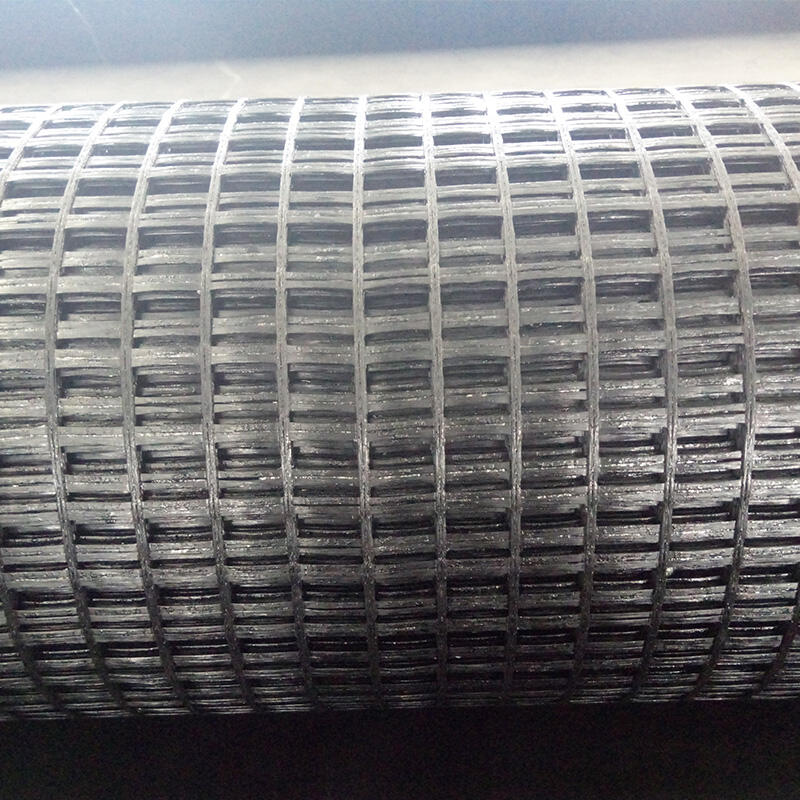
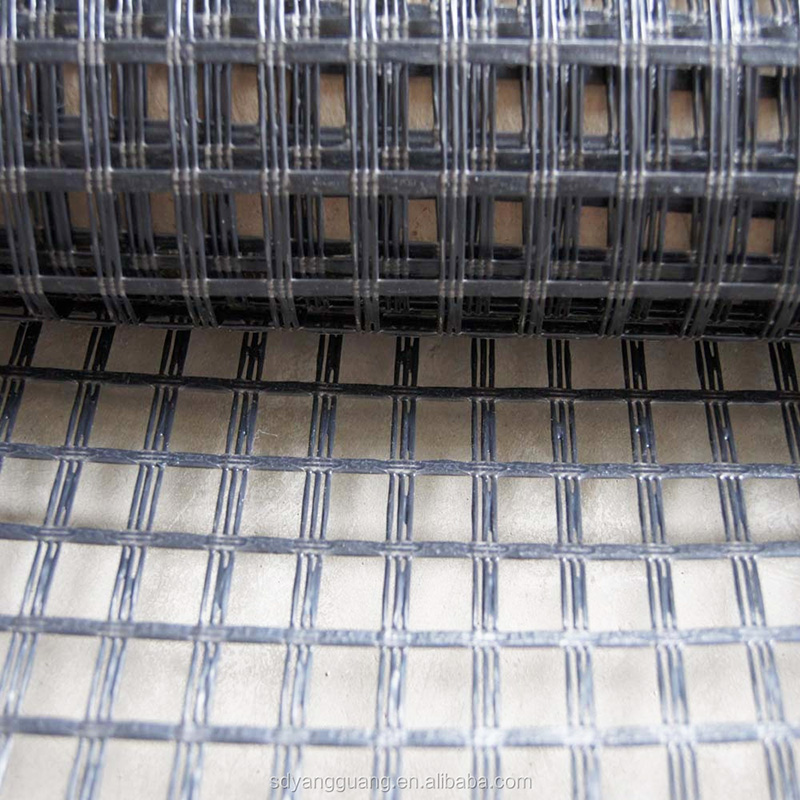
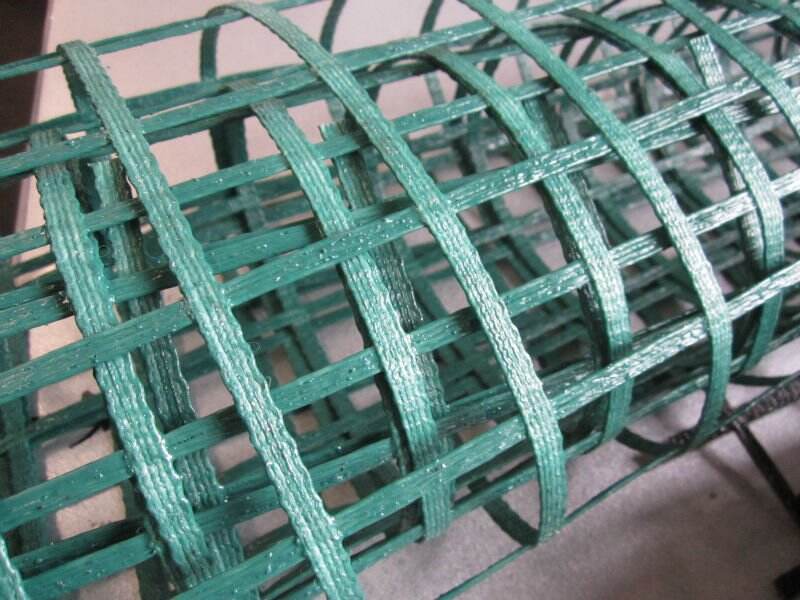
Geo grid, similar in nature to geogrid, exhibits comparable mechanical properties. It provides high tensile strength and stability, effectively reinforcing soil structures. This makes it a reliable substitute for geogrid in various geotechnical applications, ensuring consistent performance and project quality.

Good Compatibility with Soil

Geo grid has excellent compatibility with different types of soil. It can be easily integrated into the soil matrix, forming a strong bond. This compatibility ensures effective load transfer and soil reinforcement, enhancing the overall stability and performance of soil - based structures.

Resistance to Environmental Factors

Geo grid is engineered to resist various environmental factors such as moisture, temperature changes, and chemical substances. This resistance ensures its long - term functionality and reliability in different environments, protecting the soil structures it reinforces from degradation.

Related products

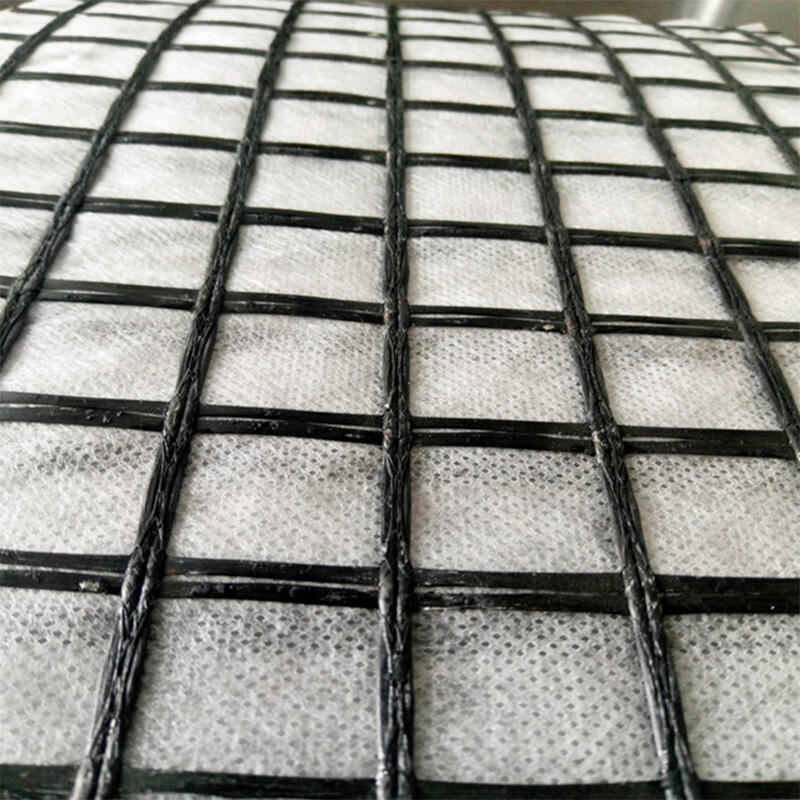
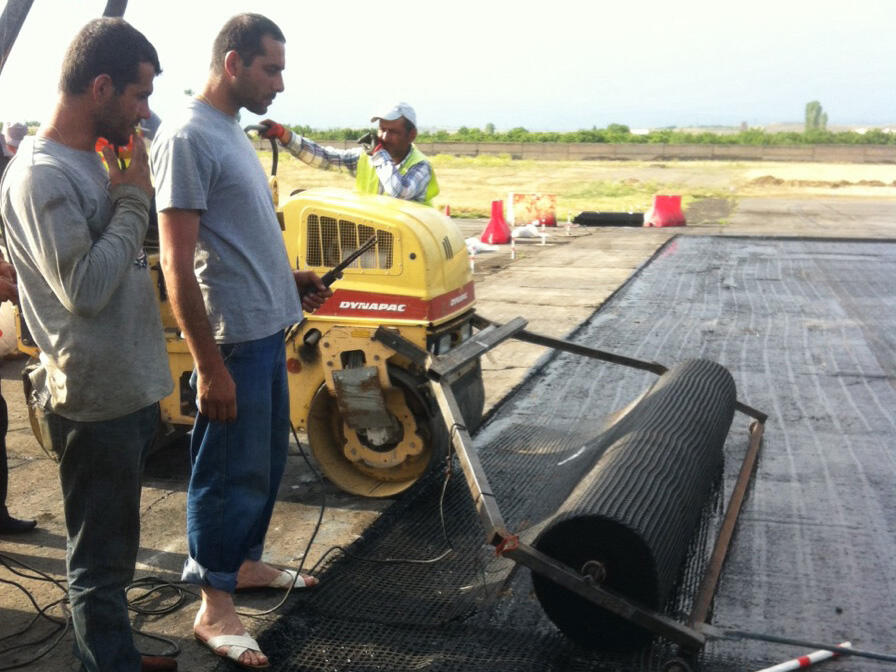
Asphalt grids or commonly known as asphalt geogrids, are utilized for supporting asphalt pavements. They are constructed of fiberglass or polyester and coated with asphalt which allows them to incorporated with asphalt layers. These grids improve the binder course tensile strength of pavements, therefore increasing the resistance to fatigue cracks, rutting, and reflective cracks. It helps reduce stress concentrations within the asphalt layer by redistributing traffic loads more uniformly, enhancing the lifespan of the pavement. Furthermore, asphalt geogrid strengthens the bonds between the layers, providing superior resistance against vertical shear, increasing the capability of the pavement to resist changes in temperature.
Frequently Asked Questions

Is geo grid different from geogrid?

Geo grid is similar in nature to geogrid and can be considered another term for it. Both refer to geosynthetic materials with a grid - like structure used for soil reinforcement. They are made from similar polymer materials through similar manufacturing processes and serve the same purpose of enhancing soil strength and stability in geotechnical applications.
Geo grid is commonly used in road construction to reinforce the subgrade and improve its bearing capacity. It is also applied in slope stabilization projects to prevent soil erosion and landslides. In addition, geo grid can be used in the construction of retaining walls, foundation reinforcement, and landfill projects to enhance the stability and integrity of the structures.
Yes, geo grid can be used in wet soil conditions. Many geo grids are made from materials that are resistant to moisture and have good durability in wet environments. In fact, in wet soil, geo grid can play a crucial role in improving soil stability, reducing soil settlement, and preventing soil erosion, as it helps to reinforce the weak soil and provide better load - bearing capacity.
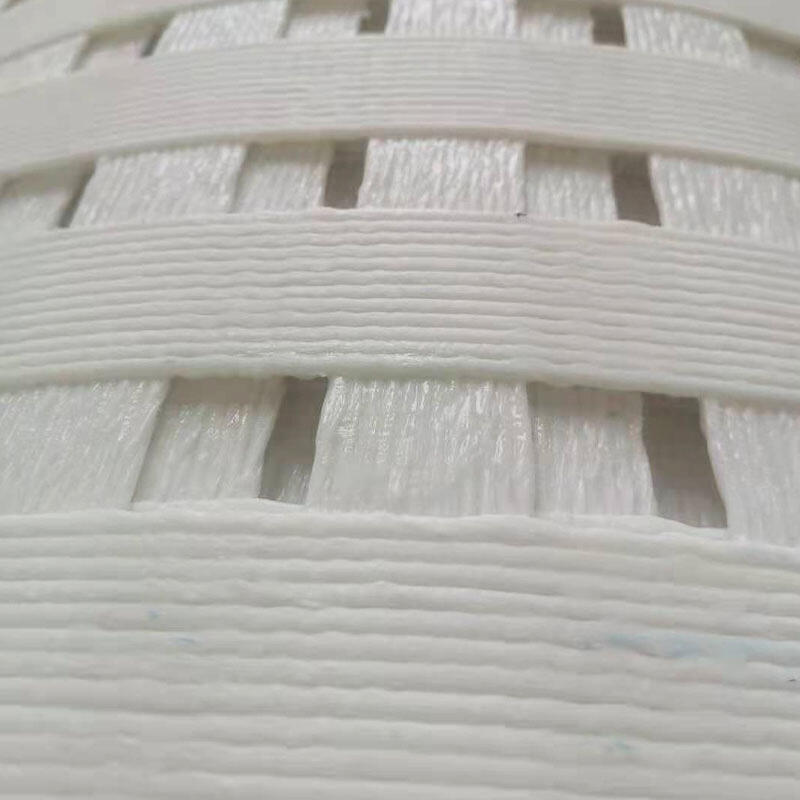
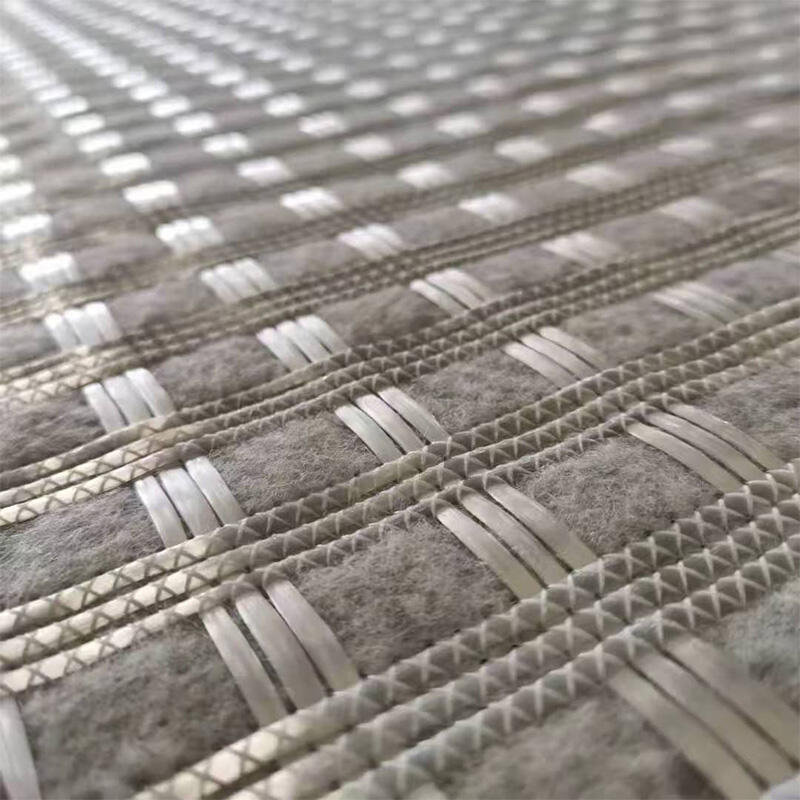
Geo grid is typically made from polymer materials, including polyethylene, polypropylene, polyester, and fiberglass. These materials are processed through methods such as extrusion, stretching, and weaving to form the grid - like structure. The choice of material depends on the specific requirements of the project, such as the load - bearing capacity, environmental conditions, and durability needs.

Related Articles

How to apply fiberglass geogrid in airport reinforcement?

18

Mar

How to apply fiberglass geogrid in airport reinforcement?

View More
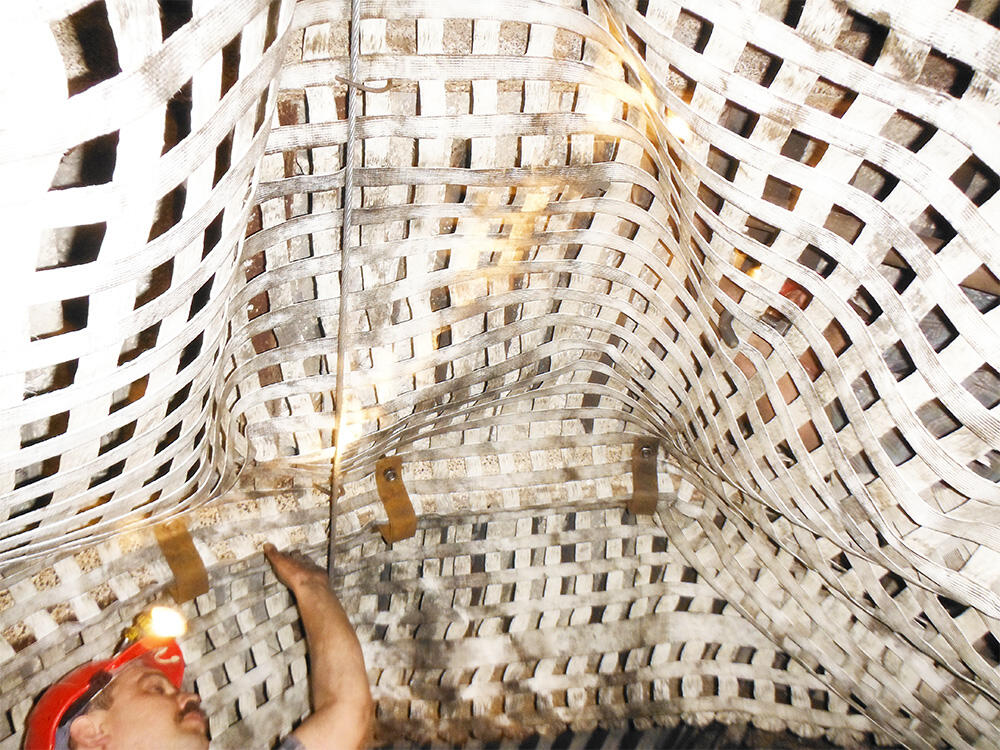
How to apply mine grid in underground coal mine supporting project?

18

Mar

How to apply mine grid in underground coal mine supporting project?

View More
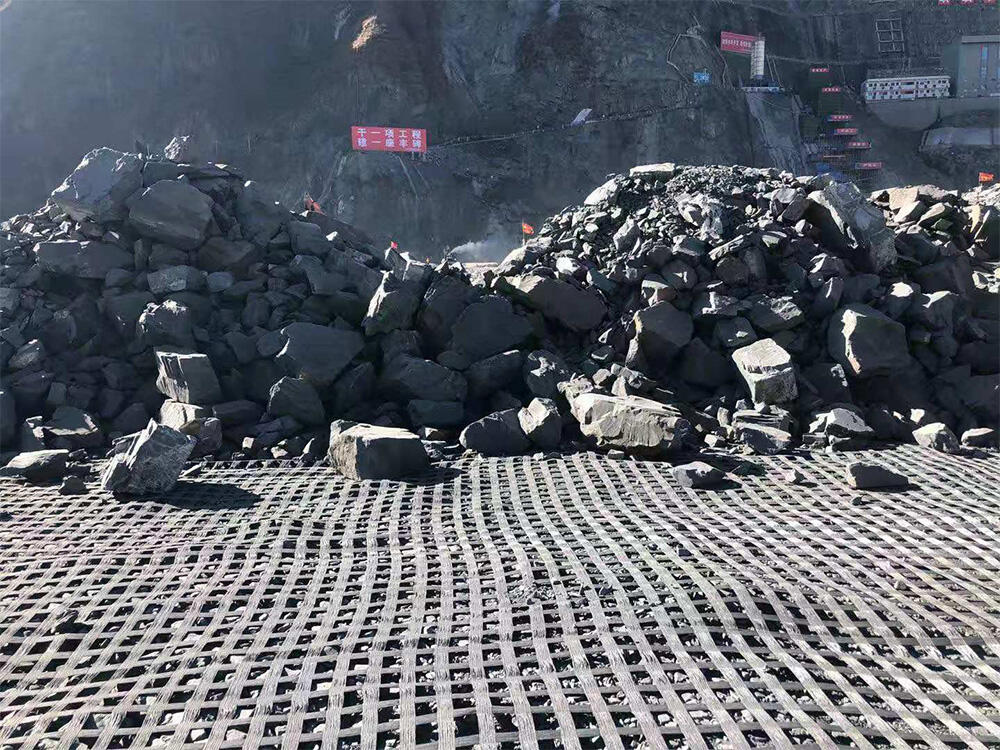
How to apply high strength polyester geogrid in dam construction?

18

Mar

How to apply high strength polyester geogrid in dam construction?

View More

Customer Reviews

Sarah Taylor
Effective Geo Grid Solution

The geo grid I used in my landscape project worked like a charm. It was perfect for stabilizing the soil around my driveway. The grid was lightweight but very strong, and it was simple to lay down. It blended well with the surrounding soil and didn't cause any aesthetic issues. After a few months, I can see that it has effectively prevented soil erosion and maintained the integrity of the area. I'm very pleased with this product.

Linda Martinez
Useful Geo Grid in Projects

I've incorporated this geo grid into several of my projects, and it has proven to be a useful addition. It provides good support and helps distribute the load evenly. The grid is resistant to wear and tear, which is crucial for long - lasting performance. It's also easy to work with, whether it's being installed on its own or in combination with other materials. I'm satisfied with the overall performance and would purchase it again.

Get a Free Quote

Our representative will contact you soon.
Email
Mobile/WhatsApp
Name
Company Name
Message
0/1000
Improved Load - Bearing Capacity

Improved Load - Bearing Capacity

By reinforcing soil, geo grid significantly improves the load - bearing capacity of the ground. This is particularly beneficial for construction projects where high loads are expected, such as in the construction of buildings, roads, and bridges. It helps prevent settlement and ensures the stability of the structure above.