
 EN
EN
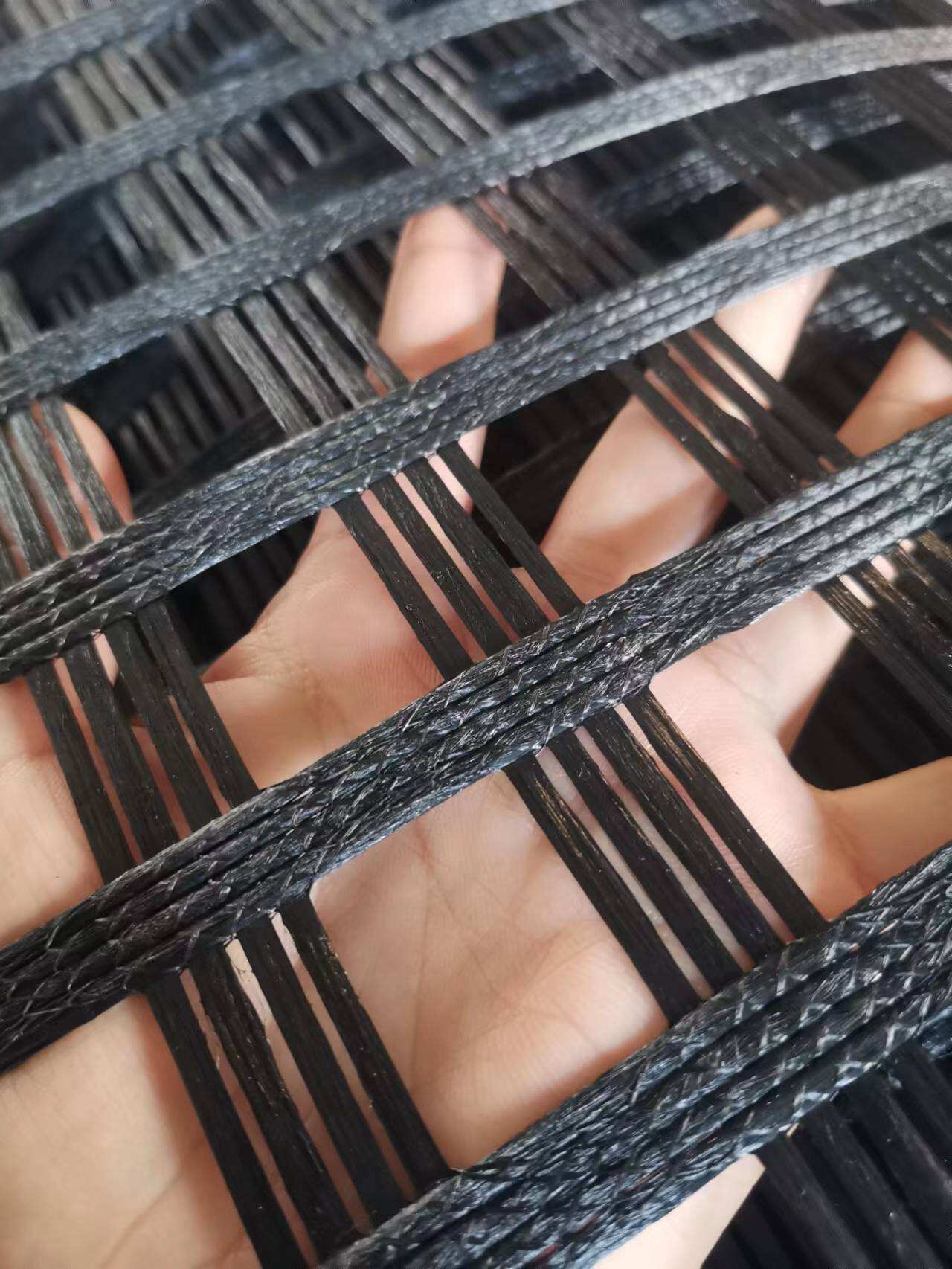
Ինչու՞ է PET երկրացանցը գերազանցում սահմանափակված տարածքների ափի ամրապնդման մեջ
Մեխանիզմներ՝ բեռնվածության բաշխում, միմյանց մեջ մտնելու հնարավորություն և շփման դիմադրության բարձրացում
PET երկրացանցերը լավացնում են թեքությունների կայունությունը՝ օգտագործելով երեք հիմնական մեթոդ։ Լարման ձողերը տարածում են բեռը գետնի վրա, ինչը մոտավորապես 40 տոկոսով նվազեցնում է լարվածության կետերը թույլ ստորին շերտերում։ Տեղադրման ժամանակ ցանցի բացվածքները մտնում են հողի մասնիկների մեջ՝ ստեղծելով ավելի ուժեղ զանգված, որը ավելի լավ է պահում ամեն ինչ միասին։ Սա կանխում է հողի շարժումը և իրականում մեծացնում է լցման նյութում մասնիկների միջև առաջացող շփման ուժը։ PET ցանցերի իրական արդյունավետությունը պայմանավորված է հողի և ցանցի սահմանագծում տեղի ունեցող փոխազդեցությամբ։ Ուժեղ պոլիմերային կառուցվածքը աշխատում է որպես կամուրջ անկայուն տեղամասերի վրա՝ միաժամանակ թույլ տալով ջրի անցումը, այսպես որ հողի ներսում ճնշման վտանգավոր կուտակում չի տեղի ունենում։ Այս բոլոր գործոնների համատեղ ազդեցությամբ սովորական ցածր որակի հողերը վերածվում են ավելի կայուն նյութի, ինչը թույլ է տալիս ինժեներներին կառուցել թեքություններ 3 հորիզոնական մասի 1 ուղղահայաց մասի հարաբերակցությամբ՝ առանց մեծ շարժումների կամ վթարումների վախի։
Կատարողականի վավերացում. Լայնական շեղման 30 %-անոց նվազեցում 3Հ:1Վ թեքության վրա (EPA-ի 4-րդ շրջան, 2022)
2022 թվականին ԱՄՆ պաշտպանության գեներալ հանձնաժողովի (EPA) 4-րդ շրջանի սահմանափակման վայրերի վերահսկման ծրագրի արդյունքները ցույց են տալիս, որ PET երկրացանցերը իրոք լավ են աշխատում իրական պայմաններում: Երբ ստուգվում էին սարքավորված 3H:1V թեքությամբ մակերևույթների վրա՝ աղբի բեռնվածքով, որը գերազանցում էր 500 կՊա-ն, այդ ցանցերը 18 ամսյա դիտարկման ընթացքում կողային շարժումը նվազեցրել էին մոտավորապես 30%-ով համեմատած ամրացման չունեցող տեղամասերի հետ: Ինչու՞: PET նյութը ունի իր բաղադրիչների միջև ուժեղ կապեր (ավելի քան 40 կՆ/մ ամրությամբ) և բեռնվածքի տակ քիչ է ձգվում (երկարման աստիճանը 3%-ից պակաս է): Սա օգնում է պահպանել ամեն ինչ սահմաններում՝ նույնիսկ երբ ուժերը հանկարծակի փոխվում են: Իսկապես հիասքանչ է նրա դիմացկունությունը դանդաղ ձևափոխման նկատմամբ ժամանակի ընթացքում: Փորձերը հաստատել են, որ առավելագույն ամրության 50%-ի դեպքում ձգման աստիճանը կազմում է կես տոկոսից պակաս: Այս տեսակի մշակումը նշանակում է լավագույն կառուցվածքային կայունություն ամբողջ սահմանափակման վայրի շահագործման փուլերում, ինչը նշանակում է ավելի երկարատև տեղադրումներ և ապագայում ավելի քիչ սպասարկման խնդիրներ:
Անվտանգ ուղղահայաց ընդլայնման հնարավորության ստեղծում՝ PET երկրացանցերով ամրապնդված MSE կառույցների միջոցով
Փուլային սահքային կայանների բարձրացման նախագծման և տեղադրման պահանջներ
Երբ ուղղաձիգ ընդլայնվում ենք PET երկրացանցով ամրացված MSE կառույցներով, անհրաժեշտ է խստորեն հետևել փուլային կառուցման քայլերին՝ կառույցի տակ գտնվող ցանկացած նյութի (արտադրանքի մնացորդներ կամ բնական ենթահող) վրա չգերբեռնելու համար: Յուրաքանչյուր հատվածի բարձրությունը չպետք է գերազանցի երեք մետրը, և աշխատանքները սկսելուց առաջ ինժեներները պետք է ստուգեն հողի կրողականությունը՝ օգտագործելով կոնային ներթափանցման փորձարկման (CPT) արդյունքները: Մետաղական կամ այլ ճակատային տարրերի հետևում լցման աշխատանքները պետք է հասնեն ստանդարտ Պրոկտորի խտության առնվազն 95 %-ի: Երկրացանցերի տեղադրման համար նույնպես կան հստակ պահանջներ՝ դրանք պետք է միմյանց ծածկեն առնվազն 300 մմ-ով և համապատասխանեն բոլոր նշված ամրացման երկարություններին: Կառուցման ընթացքում թեքությունների վերահսկումը կարևորագույն է: Մենք տեղադրում ենք թեքության չափիչներ (ինկլինոմետրեր), որոնք հսկում են կողմնային շարժումները՝ ամսական 5 մմ-ից ավելի չափով: Եթե հայտնաբերվեն այդ սահմաններին մոտեցող ցանկացած շարժումներ, ապա ASTM D6748 ստանդարտի համաձայն ամբողջ աշխատանքը պետք է դադարեցվի, և անհրաժեշտ է անմիջապես որոշել՝ ինչ լրացուցիչ կայունացման միջոցառումներ են անհրաժեշտ:
Երկարաժամկետ հուսալիություն՝ 12 տարվա ընթացքում 60 կՊա ճնշման պայմաններում <2.3 % սահող ձգում (GRI-GM13 տվյալներ)
PET երկաթուղային ցանցերը երկար ժամանակ շատ լավ են պահպանում իրենց ձևը մշտական բեռնվածության տակ, ինչը հաստատված է GRI-GM13 ստանդարտներով նախատեսված հատուկ արագացված քրիպի փորձարկումներով: Երբ դիտարկում ենք շուրջ 60 կՊա լարվածության մակարդակները, որոնք սովորաբար հանդիպում ենք MSE պատերի միջին բարձրության հատվածներում, այս նյութերը ցույց են տալիս 2,3 %-ից պակաս դեֆորմացիա՝ նույնիսկ տասներկու ամբողջ տարի անց: Դա 40 %-ով գերազանցում է պոլիպրոպիլենային տարբերակները և զգալիորեն գերազանցում է այն անվտանգության մարգինները, որոնք սովորաբար պահանջվում են շատ դիզայններում: Ինչու՞ է սա տեղի ունենում: Արտադրման ընթացքում մոլեկուլները ճիշտ կերպով համակերպվում են էքստրուզիոն գործընթացների միջոցով: Բացի այդ, առկա են հատուկ ծածկույթներ, որոնք պաշտպանում են UV ճառագայթների և հիդրոլիզի առաջացրած քայքայման դեմ: Տարբեր տաղավարային պայմանների երկարատև ազդեցության ենթարկվելուց հետո դրանք պահպանում են իրենց սկզբնական ձգողական ամրության առնվազն 90 %-ը: Ի՞նչ է դա նշանակում գործնական առումով: Այս ամենը նշանակում է ավելի ուժեղ պահպանման համակարգեր, որոնք կարող են դիմանալ օրինակ՝ նստող թափոնների, տարվա տարբեր եղանակային պայմաններում խոնավության փոփոխությունների և նույնիսկ միջին ուժգնության երկրաշարժերի: Այս տեսակի արդյունավետությունը թույլ է տալիս լայնարձակ համակարգերի ամբողջականությունը պահպանել գործողությունների անընդհատ իրականացման պայմաններում:
ՊԷՏ գեոցանցեր աղբավայրի փակման մեջ. Վերջնական ծածկույթների կայունացում էրոզիայի և ճաքերի դեմ
Համատեղված աշխատանք բաղադրյալ շերտերի և հողային ծածկույթների հետ՝ չորացման և տեղատվության վնասների նվազեցման նպատակով
ՊԵՏ երկաթբետոնե ցանցերը հանդես են գալիս որպես կառուցվածքային աջակցություն վերջնական ծածկույթների համակարգերում, լավ են աշխատում բաղադրյալ լայնարձակիչների և տարբեր ճարտարապետական հողային շերտերի հետ: Երբ դրվում են երկրամեմբրանային ծածկույթների վրա, այս ցանցերը միաձուլվում են կոմպակտացված կավի կամ ավազի և կավի խառնուրդների հետ: Դրանք տարածում են լարումը մակերևույթի վրա, ինչը մոտավորապես 40%-ով նվազեցնում է ցածր թափանցելիության արգելապատերում չորացման ճեղքերի առաջացումը: Սա օգնում է վերահսկել ստորին հոսքի հետևանքով առաջացած էրոզիան՝ նույնիսկ միջին քայլավորությամբ թեքված մակերևույթներում, և պահպանում է ջրահեռացման շերտի ճիշտ աշխատանքը՝ կանխելով մանր մասնիկների անցումը: Նրանց ամբողջությամբ պահելու հատկությունը նվազեցնում է այնպիսի խնդիրներ, ինչպես անհավասար նստումը և կապիլյար ընդհատումները, որոնք երկուսն էլ ծածկույթների համակարգերի ժամանակավոր ձախողման հիմնական պատճառներն են: ԳՐԻ-ՋԷՄ13 ստանդարտներին համապատասխան կատարված փորձարկումների համաձայն՝ ՊԵՏ երկաթբետոնե ցանցերը լաբորատոր մոդելավորման ընթացքում մոտավորապես 15 տարի անց ցուցաբերում են 3%-ից պակաս դեֆորմացիա, հետևաբար արգելապատը շարունակում է արդյունավետ լինել թափոնների վայրերի փակման հետևանքով առաջացած լիքվիդացիայի շարժման դեմ: Այս ինտեգրված մեթոդի կիրառումը հնարավորություն է տալիս օգտագործել ավելի բարակ հողային ծածկույթներ, ինչը նվազեցնում է ծախսերը՝ անվտանգության վտանգի չենթարկելով: Այս ամրացված նախագծերը սովորաբար համապատասխանում են և հաճախ գերազանցում են ԷՊԱ-ի ենթավերնագրի D պահանջները կայունության վերաբերյալ, իսկ ավանդական ամրացված չլինելու մոտեցման համեմատությամբ փակման ծախսերը նվազեցնում են մոտավորապես 20–25%-ով:
PET երկրացանցը և HDPE երկրացանցը. Նյութի ընտրության ուղեցույց սահմանափակված տարածքների ինժեներների համար
PET երկաթուղային ցանցերը, որոնք հայտնի են նաև որպես պոլիէթիլեն տերեֆտալատի ցանցեր, առաջարկում են բացառիկ ձգվածության դիմադրություն՝ զուգահեռաբար ցուցաբերելով լավ դիմադրություն ճկվածության դեֆորմացիայի նկատմամբ: Այս հատկությունները դրանք դարձնում են իդեալական լիացման տարածքների սահմանային մակերևույթների ամրապնդման և ուղղահայաց ընդլայնումների աջակցման համար, որտեղ ժամանակի ընթացքում ձևի պահպանումը բացարձակապես կարևոր է: Բարձր խտության պոլիէթիլենը (HDPE) մեծ քիմիական դիմադրություն ունի pH-ի 2–12 միջակայքում, սակայն PET-ը իրականում ապահովում է մոտավորապես 30–40 % ավելի բարձր ձգվածության դիմադրություն: Գրանցված փորձարկումները ցույց են տալիս, որ PET ցանցերը GRI-GM13 ստանդարտների համաձայն 60 կՊա ճնշման տակ 12 ամիս շարունակ մնալուց հետո ճկվածության դեֆորմացիայի չափը չի գերազանցում 2,3 %-ը: Դա PET-ը դարձնում է առաջնային ընտրություն ավելի քայլավոր սահմանային մակերևույթների համար, օրինակ՝ 3 հորիզոնական միավորի դիմաց 1 ուղղահայաց միավոր հարաբերակցությամբ, ինչպես նաև մեխանիկորեն կայունացված հողի (Mechanically Stabilized Earth) պատերի համար, որոնք ենթարկվում են ինչպես կրկնվող, այնպես էլ մշտական բեռնվածության: HDPE-ն դեռևս լավ է աշխատում շատ հիմնային թափանցող հեղուկի (pH > 9) առկայության դեպքում, քանի որ PET-ը այդ պայմաններում զգայուն է ջրի կողմից քայքայման նկատմամբ: Սակայն, քանի որ HDPE-ն մեկ միավոր հաստության վրա այդքան ուժեղ չէ, ինժեներները հաճախ ստիպված են օգտագործել ավելի հաստ թերթեր կամ դրանք տեղադրել ավելի մոտ մեկը մյուսին՝ PET-ի համեմատաբար նույն ամրապնդման արդյունքների ստացման համար: Շատ փորձառու քաղաքաշինական ինժեներներ ստրուկտուրային ամբողջականությունը ամենաշատը կարևոր համարելիս նախընտրում են PET-ը սահմանային մակերևույթների կայունացման կամ պատերի բարձրության մեծացման նախագծերում: Սակայն նրանք HDPE-ն պահպանում են այն դեպքերի համար, երբ գործարկումը կատարվում է խորը երկրատակում, որտեղ քիմիական միջավայրը շատ դաժան է, և երկարաժամկետ քիմիական պաշտպանությունը առաջնային է մաքուր մեխանիկական ամրության նկատմամբ:
| Բանաձև | Pet geogrid | HDPE երկրացանց | Սահմանափակումներ տեղավորման վայրում |
|---|---|---|---|
| Ներկառուցված ուժ | 30–40 % բարձր | Միջավոր | Հնարավորություն է տալիս ստեղծել ավելի քայլավոր սահմանային դիզայններ (≥3H:1V) |
| Հագնվող դիմադրություն | <2,3 % ձգում (12 տարի/60 կՊա) | Ավելի մեծ դեֆորմացիա | Կրճատում է երկարաժամկետ նստումը MSE պատերում |
| Քիմիական դիմադրություն | Դեգրադացվում է pH >9 պայմաններում | Կայուն է pH 2–12 միջակայքում | HDPE-ն ավելի նախընտրելի է հիմնային թափանցելի հեղուկների գոտիներում |
| Կյանքի տևողության կանխատեսում | 50–80 տարի | 80–120 տարի | HDPE-ն առանձնապես լավ է ցուցադրվում մշտական թաղման կիրառումներում |
Հաճախ տրամադրվող հարցեր
Ի՞նչի համար են օգտագործվում PET երկրացանցերը սահմանափակված տարածքներում (տեխավայրերում)
PET երկրացանցերը կայունացնում են տեխավայրերի թեքությունները՝ բեռնվածքները հավասարաչափ բաշխելով, շփման դիմադրությունը բարձրացնելով և լայնական տեղաշարժը նվազեցնելով, ինչը դրանք հարմարեցնում է սուր թեքությամբ կառուցվածքների համար:
Ինչպե՞ս են PET երկրացանցերը աշխատում ժամանակի ընթացքում
PET երկրացանցերը մշտական բեռնվածքի տակ 12 տարվա ընթացքում ցուցադրում են 2,3 %‐ից պակաս ձգում, ինչը վկայում է դրանց ուժեղ երկարաժամկետ աշխատանքի և ձևափոխության նվազեցման մասին:
Ի՞նչ տարբերություն կա PET և HDPE երկրացանցերի միջև
PET երկրացանցերը ապահովում են բարձր ձգվածության դիմադրություն և լավ ճեղքվածքի դիմադրություն, ինչը դրանք հարմարեցնում է կառուցվածքային ամրության համար, իսկ HDPE-ն առանձնապես լավ է ցուցադրվում հիմնային պայմաններում և թաղման կիրառումներում ապահովում է ավելի երկար կյանքի տևողություն:
Բովանդակության սեղան
- Ինչու՞ է PET երկրացանցը գերազանցում սահմանափակված տարածքների ափի ամրապնդման մեջ
- Անվտանգ ուղղահայաց ընդլայնման հնարավորության ստեղծում՝ PET երկրացանցերով ամրապնդված MSE կառույցների միջոցով
- ՊԷՏ գեոցանցեր աղբավայրի փակման մեջ. Վերջնական ծածկույթների կայունացում էրոզիայի և ճաքերի դեմ
- PET երկրացանցը և HDPE երկրացանցը. Նյութի ընտրության ուղեցույց սահմանափակված տարածքների ինժեներների համար
- Հաճախ տրամադրվող հարցեր