
 EN
EN
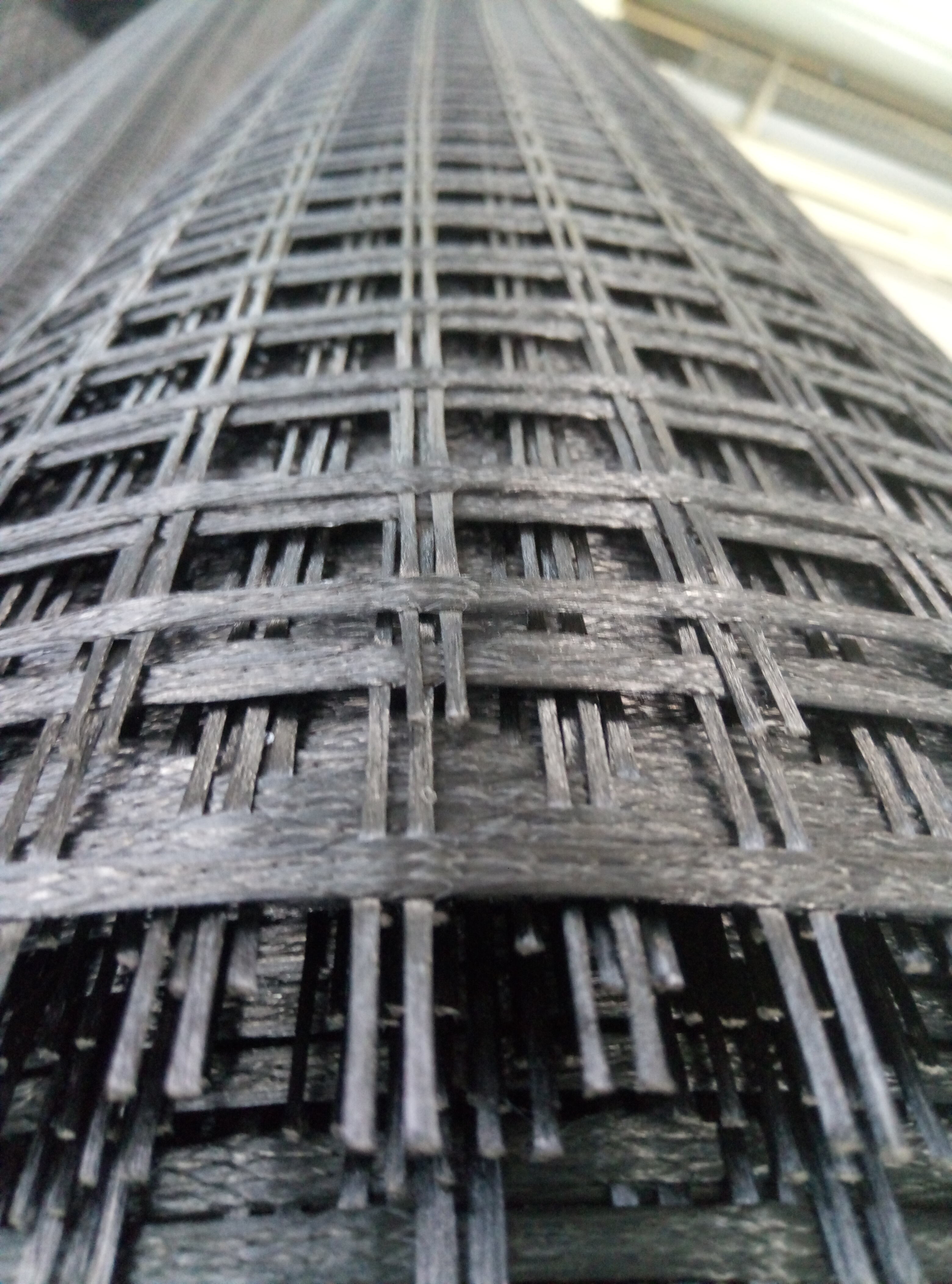
Understanding Soil-Geogrid Interaction Fundamentals for Reliable Slope Stabilization
Mechanical interlock, friction, and aperture size in cohesionless soils
When dealing with cohesionless materials such as sand and gravel, geogrids help keep slopes stable using three main methods working together: mechanical interlocking, friction between surfaces, and containment effects. What happens during mechanical interlock? Basically, soil grains get stuck in the grid's openings. The sweet spot for these openings is around 20 to 40 millimeters. At this size range, particles can partially enter but won't fall right through, creating what engineers call a locked matrix that stands up against sliding movements. Alongside this, there's also friction happening where the grid meets the soil. Studies show that angular particles create about 40 percent more friction than smooth round ones, which matters a lot for stability. All these different forces work together to spread out stress throughout the area being reinforced, stopping failures from starting in one spot. The actual size of those grid holes makes all the difference too small holes don't let enough material engage, while big holes just aren't effective at containing everything properly. Real world tests back this up showing that good interlock designs cut down on slope movement by more than half compared to areas without reinforcement.
Clay vs. sand vs. gravel: How soil type dictates geogrid performance in slope stabilization
The type of soil has a major impact on how geogrids perform. When dealing with coarse materials like gravel and sand, the main mechanism is particle interlocking. For these applications, geogrids need to be pretty stiff (around 500 kN/m or more) with strong connections between the grids to handle loads and keep things stable laterally. With fine grained clays, the situation changes completely. These soils depend mostly on friction and sticking forces at the interface. Textured surfaces on geogrids can boost resistance against being pulled out by about 25 to 30 percent. But working with clay presents its own set of problems. The poor drainage means we often need special composite systems that include drains to prevent water pressure issues. Plus, because clay sticks together so well, it requires much higher confinement pressures to get the reinforcement working properly. Sandy clays represent another category altogether. Hybrid geogrids with apertures around 15 to 25 mm work best here since they strike a good balance between interlocking and friction effects. Field tests over extended periods have shown that gravel reinforced systems can deform about three times more before failing compared to similar clay reinforced systems when everything else remains constant like slope angle and load applied.
Key Geogrid Properties That Ensure Long-Term Slope Stabilization Performance
Tensile strength at low strain (1–3%): Critical for resisting initial slope movement
For geogrids to work properly, they need strong tensile strength in that crucial 1 to 3 percent strain range. This area accounts for about 80 percent of all stabilization problems we see in monitored infrastructure projects. When geogrids can handle this low strain level, they push back against soil movement and gravity right away, stopping small shifts before they turn into bigger issues down the road. Products that meet ASTM D6637 standards and offer at least 80 kN/m strength when stretched to 2 percent strain cut slope displacement measurements by around 45 percent compared to cheaper options. This becomes really important in earthquake-prone areas where the ground can shake suddenly, and the reinforcement needs to kick in fast to prevent damage from those unexpected accelerations.
Flexural stiffness and aperture stability: Impact on installation integrity and post-construction behavior
A flexural stiffness of at least 0.5 Newton meters helps geogrids stand up to bending forces when being installed, especially when heavy construction machinery passes over them or when placed on rough ground surfaces. This keeps everything properly aligned and maintains the structural integrity throughout installation. After construction is complete, what we call aperture stability becomes really important. Basically, this means how well the openings maintain their size even after repeated loading and unloading cycles. When geogrids keep around 95% of their original opening sizes after going through about 10,000 load cycles, they show roughly 30% better resistance against shearing forces in gravelly soils. This kind of lasting performance helps protect the soil from breaking down over time within the geogrid system. Because of this durability, engineers can design embankments that last well beyond 50 years, which meets those long term performance targets outlined in both ISO 10318 standards and FHWA recommendations for highway construction projects.
Uniaxial vs. Biaxial Geogrids: Aligning Geogrid Type with Slope Geometry and Failure Mechanisms
Uniaxial geogrids for steep cut slopes and vertical walls under horizontal thrust
Uniaxial geogrids are designed to handle really strong tension forces ranging from about 50 to 200 kN per meter, all focused along one direction. This makes them particularly good at holding back earth pressure in steep slope cuts that are 45 degrees or steeper, as well as in vertical retaining walls. The long openings in these grids lock into place with the granular material behind them through mechanical interlocking, which helps transfer sideways forces down into more stable soil layers below. For situations where the ground might slide away in flat planes or topple over because the slope is too steep, uniaxial grids offer just what's needed in terms of reinforcement that works in specific directions. Getting the installation right matters a lot though. If they're not lined up properly with where the main stresses will occur, there's a real risk of them pulling out too soon and failing to contain the movement.
Biaxial geogrids for embankments and benched slopes requiring multi-directional shear resistance
Biaxial geogrids provide good tensile strength ranging from around 20 to 50 kN per meter across both directions, creating a real grid pattern that works well in areas with complicated stress conditions. These grids perform particularly well in situations like layered embankments, sloped areas with steps, and gentle angle fills below 30 degrees where problems with uneven settling and sliding tend to happen most often. The square holes in these grids help spread out the weight more evenly, which can cut down on differential settlement issues by approximately 15 to 30 percent when dealing with soil that varies in composition or quality. When it comes to slopes at risk of collapsing due to erosion or facing multiple types of structural failures such as surface level sliding or deeper rotational movements, biaxial geogrids offer better overall stability without compromising their ability to work on uneven ground surfaces and handle different levels of soil compaction.
Site-Specific Selection and Practical Installation Guidelines for Effective Slope Stabilization
Integrating CPT, RQD, and moisture content data into geogrid selection workflows
Choosing the right geogrid starts with understanding what's actually underground at each specific location. This means looking at several key factors together: Cone Penetration Test results, Rock Quality Designations, and how much moisture is present in the soil. The CPT qc numbers help spot weak spots in the ground and tell us about the needed tensile strength. RQD gives us a sense of how solid the rock mass is and whether it can hold things in place. Moisture levels matter too because they affect both the friction between materials and how much the grid might stretch over time. When engineers skip these three important pieces of information, problems tend to happen. Take saturated clay with poor rock quality for instance (anything below 50% RQD). These conditions usually call for geogrids that won't deform more than 5% and need built-in drainage features. On the flip side, dry gravelly soils work better with strong grids that pull in one direction. Recent research from 2024 shows just how costly mistakes can be. Projects that didn't properly combine all three test results ended up spending around 53% more money fixing issues later on according to the Ponemon Institute's Infrastructure Reinforcement Benchmark Report.
| Critical Parameter | Impact on Geogrid Selection | Ideal Measurement Threshold |
|---|---|---|
| CPT (qc value) | Identifies weak soil layers and guides tensile demand | >5 MPa for cohesive soils |
| RQD (%) | Determines rock anchoring feasibility and structural support potential | >75% for reliable anchorage |
| Moisture Content (%) | Directly affects interface shear strength and long-term creep resistance | <22% for optimal friction and minimal swelling |
The diagnostic approach makes sure that load transfer happens through interlock, friction, or adhesion mechanisms that actually fit what's happening in the soil on site. This means we don't just go by standard specs or what a particular brand recommends. When it comes time to install, the process involves compacting in stages while making sure the material hugs the contours of the ground properly. This keeps good contact between the material and soil throughout. We also keep a close eye on how much strain gets placed during installation, aiming to stay under 1% so the geogrid maintains its ability to handle tension without stretching too much. Keeping strain levels low helps ensure the system will work well for years to come.
Frequently Asked Questions (FAQ)
What is the ideal aperture size for geogrids in cohesionless soils?
The ideal aperture size for geogrids in cohesionless soils like sand and gravel is between 20 to 40 millimeters. This size allows for effective mechanical interlocking without letting particles fall through.
How does soil type affect geogrid performance in slope stabilization?
Soil type impacts geogrid performance significantly. Coarse materials like sand and gravel rely mainly on particle interlocking, requiring stiffer geogrids, while fine-grained clays depend on friction with textured geogrids. Different soil types necessitate unique geogrid properties to ensure stability.
What properties are critical for geogrids in slope stabilization?
Tensile strength at low strain (1–3%) and flexural stiffness are critical properties for geogrids. These ensure initial slope stabilization and maintain structural integrity during and after installation.
How do uniaxial and biaxial geogrids differ in application?
Uniaxial geogrids are designed for steep slope cuts and vertical walls, providing strong reinforcement in one direction. Biaxial geogrids offer multi-directional strength, suitable for layers and gently sloped embankments requiring balanced stress distribution.
What factors are important for site-specific geogrid selection?
Key factors for geogrid selection include Cone Penetration Test (CPT) results, Rock Quality Designation (RQD), and soil moisture content. These parameters help tailor geogrid specifications to site-specific geological conditions for more effective slope stabilization.
Table of Contents
- Understanding Soil-Geogrid Interaction Fundamentals for Reliable Slope Stabilization
- Key Geogrid Properties That Ensure Long-Term Slope Stabilization Performance
- Uniaxial vs. Biaxial Geogrids: Aligning Geogrid Type with Slope Geometry and Failure Mechanisms
- Site-Specific Selection and Practical Installation Guidelines for Effective Slope Stabilization
-
Frequently Asked Questions (FAQ)
- What is the ideal aperture size for geogrids in cohesionless soils?
- How does soil type affect geogrid performance in slope stabilization?
- What properties are critical for geogrids in slope stabilization?
- How do uniaxial and biaxial geogrids differ in application?
- What factors are important for site-specific geogrid selection?